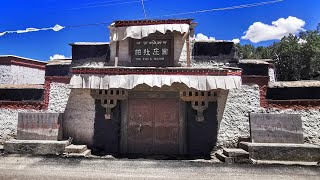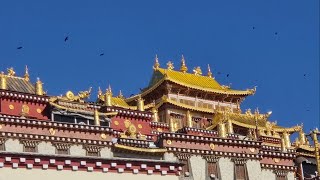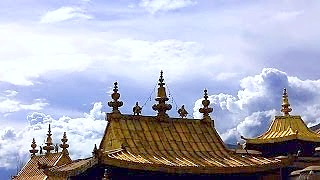
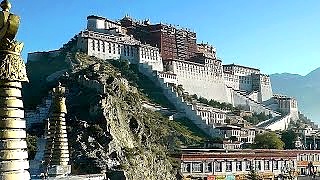
The Drepung and Sera monasteries, Lhasa

[640],shadow=true,start=,stop=
[320],shadow=true,start=,stop=

The Sera and Drepung monasteries are two of the 'great three' Gelukpa university monasteries of Tibet.


Sera Monastery is located in the foot hills 2 kilometers north of Lhasa. The origin of the name 'Sera' is attributed to a fact that the site where the monastery was built was surrounded by wild roses (se ra in the Tibetan language) in bloom. The Sera Monastery, as a complex of structures with the Great Assembly Hall and three colleges, was founded in 1419.


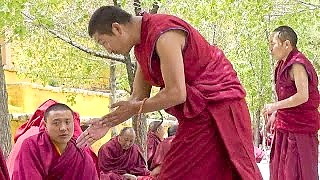
The Sera Monastery in Tibet, and its counterpart in Mysore India, are the best locations to witness the "Monk Debates" on the teachings of Buddha and the philosophy of Buddhism. Sera Monastery developed over the centuries as a renowned place of scholarly learning, training hundreds of scholars.


Drepung Monastery (literally "Rice Heap" monastery) is located at the foot of Mount Gephel (Gambo Utse), five kilometers from the western suburbs of Lhasa. Drepung is the largest of all Tibetan monasteries.


Drepung was founded in 1416 and is the principal seat of the Gelugpa school of Buddhism. The Ganden Podang in Drepung was the residence of the Dalai Lamas until the Great Fifth Dalai Lama constructed the Potala Palace. Drepung was known for the high standards of its academic study, and was called the Nalanda of Tibet, a reference to the great Buddhist monastic university of India. (Information based on Wikipedia articles)
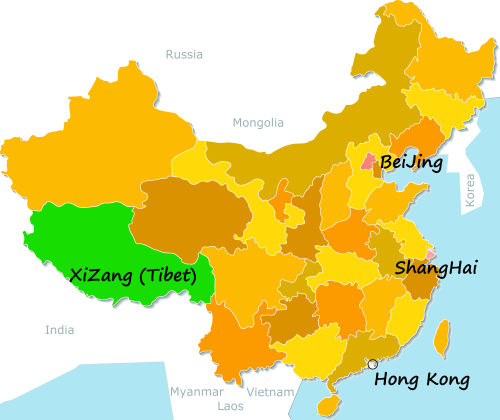
Tibet map

Related Videos


Featured Videos

20 places to visit in and around NanJing, JiangSu province
Places to visit in and around NanJing Dr. Sun Yat-sen's Mausoleum (中山陵) - Zhōngshān Líng Description: Dr. Sun Yat-sen's Mausoleum is a memorial site dedicated to the founding father of the Republic of China, located at the foot of Purple Mountain. Visitors can climb the grand staircase to reach the mausoleum, explore the surrounding parkland, and pay homage to Dr. Sun Yat-sen at his final resting place. Confucius Temple (夫子庙) - Fūzǐ Miào Description: Confucius Temple is a historic complex dedicated to the ancient Chinese philosopher Confucius. The temple features traditional architecture, tranquil courtyards, and cultural relics, as well as bustling markets, teahouses, and street performances. Visitors can experience the vibrant atmosphere and pay tribute to Confucius' teachings and legacy. Nanjing City Wall (南京城墙) - Nánjīng Chéngqiáng Description: Nanjing City Wall is one of the best-preserved ancient city walls in China, dating back over 600 years. Visitors can walk or cycle along the wall's ramparts, gates, and watchtowers, enjoying panoramic views of the cityscape and surrounding scenery. The wall offers insights into Nanjing's rich history and architectural heritage. Xuanwu Lake (玄武湖) - Xuánwǔ Hú Description: Xuanwu Lake is a scenic freshwater lake located in the heart of Nanjing, surrounded by parks, gardens, and historic landmarks. Visitors can take leisurely boat cruises, stroll along lakeside promenades, and enjoy recreational activities such as cycling, picnicking, and birdwatching amidst serene natural surroundings. Jiming Temple (鸡鸣寺) - Jīmíng Sì Description: Jiming Temple is a renowned Buddhist temple perched on the slopes of Purple Mountain, offering panoramic views of Nanjing. The temple complex features ancient pagodas, halls, and gardens, as well as cultural relics and religious artifacts. Visitors can explore the tranquil grounds, attend Buddhist ceremonies, and admire the temple's architectural beauty. Nanjing Museum (南京博物院) - Nánjīng Bówùyuàn Description: Nanjing Museum is one of China's largest and most comprehensive museums, showcasing the history, art, and culture of Nanjing and the Jiangsu province. The museum's extensive collections include archaeological artifacts, fine art, ceramics, and cultural relics, as well as interactive exhibits, educational programs, and temporary exhibitions. Presidential Palace (总统府) - Zǒngtǒng Fǔ Description: Presidential Palace is a historic complex serving as the former official residence of Chinese presidents. The palace features traditional Chinese architecture, landscaped gardens, and historical exhibitions, offering insights into China's modern history and political developments. Visitors can explore the ornate halls, courtyards, and memorial halls, as well as attend cultural events and performances. Nanjing Yangtze River Bridge (南京长江大桥) - Nánjīng Chángjiāng Dàqiáo Description: Nanjing Yangtze River Bridge is a landmark bridge spanning the Yangtze River, connecting the districts of Pukou and Xiaguan. The bridge offers panoramic views of the river, city skyline, and surrounding landscapes, as well as opportunities for sightseeing, photography, and enjoying the scenic riverfront. Porcelain Tower of Nanjing (南京瓷塔) - Nánjīng Cítǎ Description: Porcelain Tower of Nanjing is a historic pagoda renowned for its exquisite architecture and ornate porcelain decorations. Originally built in the 15th century, the pagoda was reconstructed in the 21st century and now serves as a cultural landmark and museum. Visitors can admire the pagoda's intricate design, learn about its history, and enjoy panoramic views from the top. Ming Xiaoling Mausoleum (明孝陵) - Míng Xiàolíng Description: Ming Xiaoling Mausoleum is the final resting place of Emperor Zhu Yuanzhang, the founder of the Ming Dynasty, and his empress. Located at the foot of Purple Mountain, the mausoleum complex features grand gateways, sacred pathways, and ancient stone sculptures, as well as serene forested surroundings ideal for contemplation and reflection. Nanjing Drum Tower (南京鼓楼) - Nánjīng Gǔlóu Description: Nanjing Drum Tower is a historic landmark dating back to the Ming Dynasty, located in the heart of Nanjing's city center. The tower once served as a military command post and timekeeping facility, and today houses a museum showcasing Nanjing's cultural heritage. Visitors can climb to the top for panoramic views of the city and learn about the tower's history and significance. Xiaoling Tomb of the Ming Dynasty (明孝陵) - Míng Xiàolíng Description: Xiaoling Tomb is the burial site of Emperor Zhu Yuanzhang, the founding emperor of the Ming Dynasty, and his empress. Located at the foot of Purple Mountain, the tomb complex encompasses grand gateways, pathways, and scenic gardens, as well as historical artifacts and sculptures. Visitors can explore the serene surroundings, pay respects to the Ming Dynasty's founder, and learn about imperial burial customs. Nanjing Museum of Paleontology (南京古生物博物馆) - Nánjīng Gǔshēngwù Bówùguǎn Description: Nanjing Museum of Paleontology is dedicated to the study and exhibition of fossils and prehistoric artifacts. The museum's collections include dinosaur fossils, ancient plants, and geological specimens, as well as interactive exhibits and educational programs exploring Earth's natural history and evolution. Nanjing Presidential Palace (南京总统府) - Nánjīng Zǒngtǒng Fǔ Description: Nanjing Presidential Palace is a historic complex serving as the former official residence of Chinese presidents. The palace features traditional Chinese architecture, landscaped gardens, and historical exhibitions, offering insights into China's modern history and political developments. Visitors can explore the ornate halls, courtyards, and memorial halls, as well as attend cultural events and exhibitions. Jiming Temple Scenic Area (鸡鸣寺风景名胜区) - Jīmíng Sì Fēngjǐng Míngshèng Qū Description: Jiming Temple Scenic Area encompasses the historic Jiming Temple complex, as well as surrounding parks, gardens, and cultural landmarks. Visitors can explore ancient temples, pagodas, and stone inscriptions, as well as enjoy scenic walks, cultural performances, and panoramic views of Nanjing's skyline. Mochou Lake Park (莫愁湖公园) - Mòchóu Hú Gōngyuán Description: Mochou Lake Park is a scenic parkland surrounding Mochou Lake, offering a tranquil retreat amidst Nanjing's urban landscape. Visitors can stroll along lakeside promenades, admire seasonal flowers and gardens, and enjoy recreational activities such as boating, fishing, and picnicking. The park also features cultural attractions, pavilions, and historic sites. Nanjing Drum Tower (南京鼓楼) - Nánjīng Gǔlóu Description: Nanjing Drum Tower is a historic landmark located in the heart of Nanjing's city center, dating back to the Ming Dynasty. The tower once served as a military command post and timekeeping facility, and today houses a museum showcasing Nanjing's cultural heritage. Visitors can climb to the top for panoramic views of the city and learn about the tower's history and significance. Porcelain Tower Site Park (瓷塔遗址公园) - Cítǎ Yízhǐ Gōngyuán Description: Porcelain Tower Site Park is a historic site commemorating the location of the former Porcelain Tower of Nanjing, a renowned pagoda destroyed during the Qing Dynasty. The park features archaeological remains, cultural exhibits, and reconstructed pagoda foundations, as well as landscaped gardens, sculptures, and panoramic views of Nanjing's skyline. Nanjing Botanical Garden (南京植物园) - Nánjīng Zhíwù Yuán Description: Nanjing Botanical Garden is a vast botanical reserve featuring diverse plant collections, themed gardens, and natural habitats. Visitors can explore walking trails, greenhouses, and scenic viewpoints, as well as participate in educational programs, workshops, and gardening activities. The garden also hosts seasonal flower shows, plant exhibitions, and cultural events throughout the year. Qinhuai River Scenic Area (秦淮风光带) - Qínhuái Fēngguāng Dài Description: Qinhuai River Scenic Area is a historic waterfront district renowned for its cultural heritage, scenic landscapes, and traditional architecture. Visitors can take leisurely boat cruises along the river, explore ancient streets and alleys, and admire historic landmarks such as Confucius Temple, Nanjing City Wall, and Zhonghua Gate. The area also offers opportunities for shopping, dining, and experiencing Nanjing's vibrant nightlife. Nanjing Massacre Memorial Hall (南京大屠杀纪念馆) - Nánjīng Dàtúshā Jìniànguǎn Description: Nanjing Massacre Memorial Hall is a somber memorial dedicated to the victims of the Nanjing Massacre during World War II. The memorial hall features historical exhibits, documentary films, and testimonies from survivors, as well as educational programs and activities promoting peace, reconciliation, and remembrance.
The BeiJing DaXing Airport Express
With Walk For You ...
Traditional BeiJing
With Seiu Travel ...
TaiYuan ancient city walking tour, ShanXi province
With Walk East ... With Seiu Travel ... Visitor Guide to TaiYuan City, ShanXi Province Overview TaiYuan, the capital city of ShanXi Province, is a fascinating blend of ancient history and modern development. Known for its rich cultural heritage, TaiYuan offers visitors a glimpse into China's past while also showcasing its rapid modernization. Getting There By Air: TaiYuan WuSu International Airport (TYN) serves the city with both domestic and international flights. It is located about 15 kilometers from the city center, and you can reach downtown by taxi, airport shuttle, or public bus. By Train: TaiYuan Railway Station and TaiYuan South Railway Station connect the city with major destinations across China, including Beijing, Xi'an, and Shanghai. High-speed trains offer convenient and quick travel options. By Bus: Long-distance buses from nearby cities and provinces also provide access to TaiYuan. The main bus stations in TaiYuan are TaiYuan Long-Distance Bus Station and TaiYuan West Bus Station. Getting Around Public Transport: TaiYuan has an extensive public bus network and a developing metro system, making it easy to navigate the city. Taxis: Taxis are readily available and relatively inexpensive. Ride-hailing apps like DiDi are also widely used. Biking: Bike-sharing services are popular and provide a convenient way to explore the city at your own pace. Main Attractions JinCi Temple JinCi Temple, located about 25 kilometers southwest of TaiYuan, is a historic site with beautiful architecture, ancient trees, and intricate carvings. The temple, dating back over 1,400 years, is dedicated to the worship of Prince Shuyu of the Zhou Dynasty. ShanXi Museum ShanXi Museum, one of China's most important museums, offers a comprehensive look at the history and culture of ShanXi Province. The museum's exhibits include ancient relics, artifacts from the Silk Road, and displays on ShanXi's rich coal mining history. TaiYuan Ancient City Wall The TaiYuan Ancient City Wall is a significant historical landmark that reflects the city's ancient military architecture. Portions of the wall have been restored, and visitors can walk along it to enjoy panoramic views of the city. Fenhe Park Fenhe Park, situated along the Fen River, is a large urban park offering beautiful landscapes, walking paths, and recreational facilities. It's a great place to relax, enjoy nature, and experience the local lifestyle. Twin Pagoda Temple The Twin Pagoda Temple, also known as Yongzuo Temple, features two impressive pagodas dating back to the Ming Dynasty. The temple is a serene spot with beautiful gardens and ancient architecture. Local Cuisine TaiYuan offers a variety of local and regional dishes. Here are some must-try foods: ShanXi Sliced Noodles (DaoXiaoMian): A famous local dish made with hand-sliced noodles, usually served with a savory broth and various toppings. Vinegar Culture: ShanXi is known for its aged vinegar, which is a staple in many local dishes. Be sure to try dishes that highlight this unique flavor. ShanXi Meat Patties (RouJiaMo): Often referred to as the "Chinese hamburger," these meat-filled buns are a delicious and popular street food. Fenhe River Fish: Fresh fish from the Fen River, prepared in a variety of ways, is a local specialty. Shopping Liuxiang Pedestrian Street: A bustling shopping area offering a mix of traditional and modern shops, local snacks, and souvenirs. Chongshan Monastery Market: A market near Chongshan Monastery where you can find local handicrafts, antiques, and traditional ShanXi products. Coal Museum of China: The museum shop offers unique souvenirs related to ShanXi's coal mining history. Accommodation Luxury Hotels: TaiYuan has several high-end hotels offering excellent amenities and services, such as the Kempinski Hotel TaiYuan and the Shanxi Grand Hotel. Mid-Range Hotels: There are numerous mid-range options providing comfortable accommodations at reasonable prices, including international chains like Holiday Inn and local boutique hotels. Budget Accommodations: Budget travelers can find affordable guesthouses, hostels, and budget hotels throughout the city. Historical Background of TaiYuan TaiYuan, with a history spanning over 2,500 years, has been a significant political, economic, and cultural center in northern China. Founded during the Spring and Autumn period, the city has witnessed numerous historical events and developments. During the Tang Dynasty, TaiYuan was a strategic military base and the hometown of the Tang emperors. The city played a crucial role in various dynastic changes and military campaigns. In modern times, TaiYuan has developed into an industrial powerhouse, particularly known for its coal mining and steel production. Despite its industrialization, the city has preserved many of its historical and cultural sites, offering a rich tapestry of the ancient and modern. Tips for Visitors Best Time to Visit: The best times to visit TaiYuan are spring (April to June) and autumn (September to November) when the weather is mild and pleasant. Clothing: Wear comfortable walking shoes and dress in layers to accommodate changing temperatures. Bring a hat and sunscreen if you plan to spend time outdoors. Respect Local Customs: Be respectful of local customs and traditions, especially when visiting religious and cultural sites. Language: While Mandarin is widely spoken, learning a few basic phrases or using a translation app can be very helpful. Plan Your Visit: TaiYuan offers a mix of historical and modern attractions. Plan your visit to include both cultural sites and modern amenities to get a complete experience. Conclusion TaiYuan, with its rich historical heritage and vibrant modern culture, offers a unique and diverse travel experience. From ancient temples and city walls to modern parks and shopping streets, TaiYuan provides a fascinating journey through time. Whether you're exploring its historical landmarks, enjoying local cuisine, or experiencing the city's contemporary side, TaiYuan is a destination that promises a memorable visit. Plan your trip carefully to make the most of your time in this dynamic capital of ShanXi Province.
Beautiful SanYa 三亚, HaiNan 海南 island
Bonus film - 'DIY Wedding Photos', in LiJiang 丽江, a micro movie 浪漫的旅拍婚紗影像 ...
AnNing city, YunNan province 安宁市
With Valeriy Blank ... "Anning is a county-level city. It is located approximately 28 kilometers southwest of Kunming city proper. Anning borders Xishan District to the east and northeast, Lufeng, Yunnan to the west and northwest, Jinning District to the south and southeast, and Yimen County to the southwest."
LuoYang City National Park, HeNan province
With China Walking Tour ... Visitor Guide to the Sui and Tang Dynasties of LuoYang City National Park Getting There Location: The Sui and Tang Dynasties of LuoYang City National Park is located in LuoYang, HeNan Province. It is easily accessible from the city center. By Public Transport: You can take a local bus or taxi from anywhere in LuoYang to reach the park. Buses 81 and 83 have stops near the park. By Car: If you are driving, ample parking is available near the park entrance. Entrance and Tickets Entrance Fee: The entrance fee varies depending on the season and any special exhibitions. Typically, it ranges from 50 to 100 RMB. Opening Hours: The park is generally open from 8:00 AM to 6:00 PM. Check for any changes during holidays or special events. Attractions and Activities Historical Sites MingTang and TianTang Complex: Reconstructed palace complexes that offer a glimpse into the grandeur of the Sui and Tang dynasties. The architecture and layout are based on historical records and archaeological findings. Ancient City Walls: Explore the remnants of the ancient city walls that protected LuoYang during the Sui and Tang periods. Museums and Exhibitions Archaeological Museum: This museum within the park showcases artifacts and relics from the Sui and Tang dynasties, including pottery, tools, and ancient manuscripts. Historical Exhibitions: Various exhibitions throughout the park provide detailed insights into the history, culture, and daily life of the Sui and Tang dynasties. Gardens and Scenery Imperial Gardens: Beautifully landscaped gardens that reflect the horticultural styles of the Sui and Tang periods. These gardens are perfect for a leisurely stroll. Scenic Lakes: The park features several artificial lakes that enhance the serene atmosphere and provide picturesque views. Interactive Activities Costume Experience: Visitors can dress in traditional Sui and Tang dynasty attire and take photos in the historical settings of the park. Guided Tours: Join guided tours to learn more about the history and significance of the sites within the park. Tours are available in multiple languages. Dining and Local Specialties Within the park, you will find several dining options that offer both local and traditional Chinese cuisine. Some recommended spots include: Imperial Banquet Restaurant: Experience a traditional imperial-style meal with dishes that were popular during the Sui and Tang dynasties. Tea Houses: Relax in a tea house and enjoy a variety of Chinese teas along with light snacks. Street Food Stalls: Try local snacks and delicacies from the numerous food stalls scattered throughout the park. Shopping Souvenir Shops: Browse the souvenir shops for unique gifts and mementos, including replicas of ancient artifacts, traditional crafts, and books on local history. Artisan Workshops: Visit workshops where local artisans demonstrate traditional crafts such as pottery, calligraphy, and silk weaving. Many items are available for purchase. Tips for Visitors Best Time to Visit: The best times to visit the park are during spring (April to June) and autumn (September to October) when the weather is mild and the gardens are in full bloom. Clothing: Wear comfortable walking shoes and dress in layers to accommodate temperature changes. An umbrella or raincoat may be useful during the rainy season. Guided Tours: Consider joining a guided tour to gain deeper insights into the historical significance of the park. Many tours are available in English and other languages. Respect Local Customs: Be respectful of local customs and traditions, especially when visiting temples and historical sites. Avoid touching artifacts and stay on designated paths. Conclusion The Sui and Tang Dynasties of LuoYang City National Park offers a fascinating journey through Chinese history. With its blend of historical sites, beautiful gardens, and cultural activities, the park provides an enriching experience for all visitors. Whether you're a history buff, a nature lover, or simply looking for a peaceful escape, this national park in LuoYang is a must-visit destination.
More on the Nord Stream pipeline terrorist attack
No ! - look over here, at this weather balloon ; ) The 'Rules Based 'International' Order' - hmmmmm ...
Autumn in BeiJing – a tour of GuBei Water Town and the wonderful SiMaTai Great Wall of China

Tag search ?