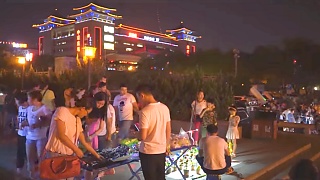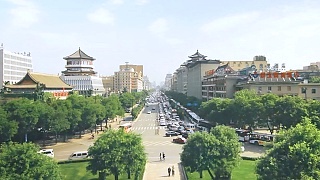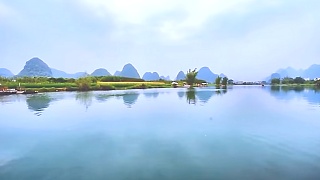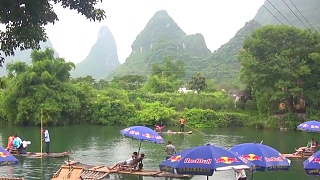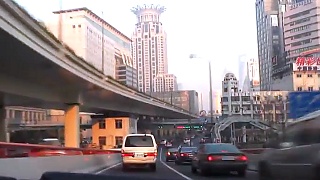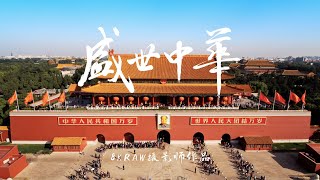
The beautiful JinSi Xia 金丝峡 scenic area, ShaanXi province

A trip to the wonderful, natural getaway of JinSi Xia (JinSi Canyon), ShaanXi province in central China ...

[640],shadow=true,start=,stop=

Xi'an, located in the heart of Shaanxi Province in northwest China, is one of the oldest cities in China and served as the capital for numerous dynasties, including the Qin, Han, and Tang. Renowned for its rich history, cultural heritage, and iconic landmarks, Xi'an is a must-visit destination for tourists. Here's a guide for tourists visiting Xi'an:

Historical and Cultural Significance:
Ancient Capital: Xi'an served as the capital of China for over 13 dynasties and played a crucial role in shaping Chinese history and civilization. It was the starting point of the ancient Silk Road, facilitating trade and cultural exchange between China and the West.

Terracotta Army: One of Xi'an's most famous attractions is the Terracotta Army, a vast collection of life-sized terracotta sculptures depicting the armies of Qin Shi Huang, the first Emperor of China. Discovered in 1974, the Terracotta Army is a UNESCO World Heritage site and a symbol of China's rich cultural heritage.

Top Attractions:
Terracotta Army Museum: Located about 30 kilometers east of Xi'an, the Terracotta Army Museum is home to thousands of intricately crafted terracotta warriors, horses, and chariots. Visitors can explore the excavation pits, marvel at the craftsmanship, and learn about the history of the Qin Dynasty.

Ancient City Wall: Xi'an is renowned for its well-preserved ancient city wall, which dates back to the Ming Dynasty. Stretching over 13 kilometers in length, the wall offers panoramic views of the city and is a popular spot for walking, cycling, and sightseeing.

Muslim Quarter: Explore the vibrant Muslim Quarter, located near the Drum Tower and Great Mosque of Xi'an. This bustling neighborhood is known for its lively street markets, traditional Islamic architecture, and delicious street food, including lamb skewers, roujiamo (Chinese hamburger), and hand-pulled noodles.

Big Wild Goose Pagoda: Built during the Tang Dynasty, the Big Wild Goose Pagoda is a prominent Buddhist landmark in Xi'an. Visitors can climb the pagoda for panoramic views of the city or explore the surrounding temple complex and gardens.

Shaanxi History Museum: Discover the rich history and culture of Shaanxi Province at the Shaanxi History Museum. The museum houses a vast collection of artifacts, including ancient pottery, bronze ware, jade, and Tang Dynasty murals, providing insights into the region's heritage.

Practical Tips:
Transportation: Getting around Xi'an is convenient with its extensive public transportation system, including buses, taxis, and the Xi'an Metro. Bicycle rentals are also available for exploring the city at a leisurely pace.

Weather: Xi'an has a continental climate with hot summers and cold winters. The best time to visit is during spring (April to May) and autumn (September to October) when the weather is pleasant and comfortable.

Language: Mandarin Chinese is the official language spoken in Xi'an, although English may not be widely spoken, especially in more remote areas. It's helpful to learn some basic phrases or carry a phrasebook or translation app.

Currency: The currency used in China is the Chinese Yuan (CNY). Credit cards are accepted at most hotels, restaurants, and shops in urban areas, but it's advisable to carry cash for small purchases and transactions.

Xi'an offers a fascinating blend of ancient history, cultural heritage, and modern urban life, making it an enchanting destination for tourists seeking to explore the wonders of ancient China. Whether marveling at the Terracotta Army, walking along the ancient city wall, or sampling delicious street food in the Muslim Quarter, Xi'an has something to offer for every traveler.
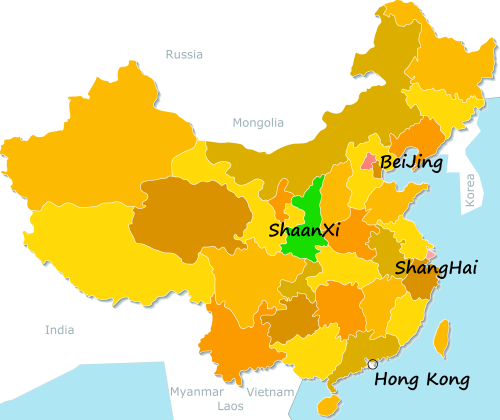

ShaanXi map

Related Videos


Featured Videos

On the West’s mainstream media’s incessant anti-China propaganda
Anyone who has visited China immediately knows that they have been lied to. With FridayEveryday ... Bonus film - on the best 'democracy' that money can buy (the people don't matter) - with Ben Norton ... On human rights, with Daniel Dumbrill ... With Fernando Munoz Bernal ... With Harvey in China ... With Aiden Qiu ...
The ancient ShanTang River and ShanTang Street, SuZhou, JiangSu province
With Pandaland Villager ... Visitor Guide to ShanTang River and ShanTang Street, SuZhou Overview ShanTang River and ShanTang Street, located in SuZhou, JiangSu Province, are renowned for their picturesque beauty and historical significance. Often referred to as the "Venice of the East," ShanTang Street is a perfect blend of traditional Chinese architecture, serene waterways, and vibrant local culture, making it a must-visit destination. Historical Background of ShanTang River ShanTang River, also known as the "Seven-Li Shantang," was originally constructed in 825 AD during the Tang Dynasty. The construction was overseen by Bai Juyi, a renowned poet and the then governor of SuZhou. The canal was built to connect SuZhou city with HuQiu (Tiger Hill), facilitating trade and transportation while providing a scenic route for travelers. The project was an ambitious undertaking aimed at promoting economic development and improving water management in the region. The construction of the canal also helped to control flooding and provided a reliable source of water for irrigation, which was crucial for local agriculture. Over the centuries, ShanTang River became a vital artery for the transportation of goods and people. It also served as a cultural hub, with the development of markets, temples, and residential areas along its banks. The river and the adjacent ShanTang Street became synonymous with prosperity and cultural richness, attracting scholars, merchants, and artists who contributed to the flourishing of SuZhou. Getting There By Air: The nearest airport is SuZhou Sunan Shuofang International Airport (WUX), located about 40 kilometers from the city center. From the airport, you can take a taxi or a shuttle bus to reach ShanTang Street. By Train: SuZhou Railway Station is well-connected with major cities like Shanghai, HangZhou, and Nanjing. From the station, you can take a local bus or taxi to reach ShanTang Street. By Bus: SuZhou is well-served by long-distance buses from nearby cities. The main bus station in SuZhou is SuZhou North Bus Station, from where you can take a local bus or taxi to ShanTang Street. Getting Around Walking: The best way to explore ShanTang Street is on foot, allowing you to fully appreciate the historical buildings, quaint shops, and beautiful scenery. Boating: Taking a boat ride along the ShanTang River offers a unique perspective of the ancient town and its waterways. Local Transport: Taxis and local buses are available for traveling to and from different parts of SuZhou. Main Attractions ShanTang Street This ancient street, with a history of over 1,100 years, stretches for about 3.5 kilometers along the ShanTang River. It is lined with well-preserved traditional buildings, charming shops, tea houses, and restaurants, offering a delightful walking experience. ShanTang River The ShanTang River is a scenic waterway that flows through the heart of the town. Boat rides along the river provide a tranquil and picturesque journey, showcasing the town's beautiful bridges, ancient buildings, and lush gardens. Pingjiang Road Located nearby, Pingjiang Road is another historic street that complements your visit to ShanTang Street. Known for its classical SuZhou gardens, traditional houses, and cultural sites, it offers a deeper understanding of SuZhou's rich heritage. Baosheng Temple Baosheng Temple, located along ShanTang Street, is a historic Buddhist temple with beautiful architecture and serene gardens. It provides a peaceful retreat and a glimpse into the town's religious heritage. Tiger Hill Just a short distance from ShanTang Street, Tiger Hill is a popular tourist attraction known for its natural beauty, historical sites, and the iconic Yunyan Pagoda, often referred to as the "Leaning Tower of China." Local Cuisine SuZhou's cuisine is known for its delicate flavors and emphasis on fresh, seasonal ingredients. Here are some must-try dishes: Sweet and Sour Mandarin Fish: A signature dish of SuZhou, featuring fresh fish cooked in a sweet and tangy sauce. Squirrel-Shaped Mandarin Fish: A beautifully presented dish with a crispy exterior and tender meat, often served with a sweet and sour sauce. SuZhou Noodles: Hand-pulled noodles served in a rich broth with various toppings, including pork, shrimp, and vegetables. Local Pastries: Try the traditional SuZhou-style mooncakes and other pastries filled with sweet or savory ingredients. Shopping Local Handicrafts: ShanTang Street is famous for its traditional handicrafts, including silk products, embroidery, and paper-cutting. These items make for unique souvenirs. Antique Shops: Explore local antique shops for historical artifacts, vintage items, and collectibles. Tea Houses: Purchase high-quality Chinese tea from the local tea houses along ShanTang Street. Accommodation Traditional Inns: For an authentic experience, consider staying in a traditional inn or guesthouse, which often feature historical architecture and local decor. Mid-Range Hotels: Options such as the SuZhou Garden Hotel and local boutique hotels provide comfortable accommodations at reasonable prices. Luxury Hotels: For a high-end stay, consider hotels like the SuZhou Marriott Hotel or the SuZhou Jinji Lake Grand Hotel, both offering excellent amenities and service. Tips for Visitors Best Time to Visit: The best times to visit ShanTang Street are spring (April to June) and autumn (September to November) when the weather is mild and pleasant. Clothing: Wear comfortable walking shoes and dress in layers to accommodate changing temperatures. An umbrella or raincoat is useful during the rainy season. Respect Local Customs: Be respectful of local customs and traditions. Dress modestly and be mindful of local etiquette, especially when visiting historical and cultural sites. Language: While Mandarin is widely spoken, learning a few basic phrases or using a translation app can be very helpful. Plan Your Visit: ShanTang Street is best explored at a leisurely pace. Take your time to wander through the streets, visit local shops, and enjoy the tranquil atmosphere. Conclusion ShanTang River and ShanTang Street, with their rich history, traditional architecture, and picturesque scenery, offer a unique and memorable travel experience. Whether you're exploring ancient streets, savoring local cuisine, or taking a serene boat ride along the river, ShanTang provides an unforgettable glimpse into SuZhou's past. Plan your visit carefully to make the most of your trip to this charming destination in JiangSu Province.
First time in China – ChongQing
With Uliana's stories ...
The Li River and YuLong River, between YangShuo and Guilin, GuangXi province
China and Covid – December 2022 – the reality (not the West’s propaganda / agenda)
Western MSM is pure propaganda / disinfo - it's an info war. The so-called journalists know very well that they are lying - that's their job ! Video is currently unavailable - but it shows a visit to three hospitals in GuangDong - and things were quiet. SAJoSkdktf4 Bonus film - The New Atlas with Carl Zha ... Plus : on China - Russian relations and the multi-polar world; with Mark Sleboda and Carl Zha ... With Garland Nixon ...
Exploring the YunGang Grottoes, near DaTong, ShanXi province
Ancient Buddhist carving caves. With DuckTravel ... Visitor Guide to the YunGang Grottoes Introduction to the YunGang Grottoes The YunGang Grottoes (云冈石窟), located near Datong in ShanXi Province, are one of China's most remarkable ancient Buddhist art sites. Carved into the sandstone cliffs during the Northern Wei Dynasty (5th–6th centuries), the grottoes feature over 51,000 statues and carvings, showcasing the fusion of Chinese, Indian, and Central Asian artistic traditions. Recognized as a UNESCO World Heritage Site, the YunGang Grottoes are a must-visit for history, art, and culture enthusiasts. Highlights of the YunGang Grottoes The Five Iconic Caves (TanYao Five Caves) - These are the earliest and most impressive caves, featuring colossal Buddha statues that symbolize the power and authority of the Northern Wei emperors. Cave 20, with its towering seated Buddha, is particularly famous. Intricate Carvings and Reliefs - The grottoes are adorned with detailed carvings of Buddhist deities, celestial beings, and narrative scenes from Buddhist scriptures. The craftsmanship reflects the artistic brilliance of the era. Cultural Fusion - The grottoes display a unique blend of Chinese and foreign influences, including Gandharan and Gupta styles, highlighting the Silk Road's cultural exchange. Outdoor Statues - In addition to the cave carvings, the site features numerous outdoor statues and steles, offering a glimpse into the religious and artistic practices of the time. Visitor Information Location: The YunGang Grottoes are located approximately 16 kilometers west of Datong City in ShanXi Province. Opening Hours: 8:30 AM to 5:30 PM (April–October); 8:30 AM to 4:50 PM (November–March). Entrance Fee: Approximately 120 CNY (April–October); 100 CNY (November–March). Discounts are available for students and seniors. Guided Tours: English-speaking guides are available for hire at the entrance, providing in-depth insights into the history and significance of the grottoes. How to Get There By Air: The nearest airport is Datong YunGang Airport, with connections to major cities like Beijing, Shanghai, and Guangzhou. From the airport, taxis or buses can take you to the grottoes. By Train: Datong is well-connected by high-speed rail. From Datong Railway Station, you can take a taxi or bus to the grottoes (about 30 minutes). By Car: The grottoes are easily accessible by car via the Datong–YunGang Expressway. Tips for Visitors Best Time to Visit: Spring (April–June) and autumn (September–October) offer pleasant weather and fewer crowds. Avoid visiting during national holidays, as the site can get very busy. What to Wear: Wear comfortable walking shoes, as the site involves some walking. Bring a hat and sunscreen during summer, as parts of the site are exposed. Photography: Photography is allowed in most areas, but flash photography is prohibited inside the caves to protect the ancient artwork. Respect the Site: As a UNESCO World Heritage Site, the grottoes are a precious cultural treasure. Avoid touching the carvings and follow all posted guidelines. Nearby Attractions HengShan Hanging Temple (悬空寺) - A unique temple built into a cliff face, combining Buddhist, Taoist, and Confucian elements. Datong City Wall - A well-preserved ancient city wall offering panoramic views of Datong. Nine Dragon Screen (九龙壁) - A stunning glazed-tile screen depicting nine dragons, located in Datong. Conclusion The YunGang Grottoes are a testament to China's rich cultural and religious history. With their awe-inspiring statues, intricate carvings, and historical significance, they offer a profound and unforgettable experience for visitors. Whether you're a history buff, an art lover, or a spiritual seeker, the YunGang Grottoes are a must-see destination in China.
Explore the Temple of Heaven (TianTan) in BeiJing
With Seiu Travel ... "The Temple of Heaven in Beijing has stood for over 600 years—a sacred site where emperors once worshipped the heavens. This solemn sanctuary not only witnessed the grandeur of the Ming and Qing dynasties but also preserved countless ancient rituals and stories. In this video, we begin our journey at the South Gate of the Temple of Heaven, retracing the footsteps of emperors past. From the Circular Mound to the Echo Wall, and finally to the magnificent Hall of Prayer for Good Harvests, every step brings us deeper into history. Beyond the altars, the Temple of Heaven Park also offers tranquil corners: the serene Zhai Palace in the west, the poetic Double Ring Longevity Pavilion, and the relaxed vibes of the Hundred Flowers Garden shaded by ancient pines. Just beyond the temple walls, old Beijing comes alive—with smoky alleyways, time-honored snacks, and the rhythm of daily life. Here, history and life are only a street apart. Whether you're drawn to imperial rituals or local flavor, the Temple of Heaven is an unmissable chapter of Beijing."
Cancer as a metabolic disease – stage 4 survival strategy
With Dr. Eric Berg and Guy Tenenbaum ... Note : prolonged fasting requires more than just water (plus green tea and a little black coffee), such as salt (lo-salt), about 1 and a 1/2 tsp / day (more as needed), electrolytes and other essential vitamins. No sugar, fruit or sweetener. Do research first and maybe start with as little as 1 or 2 days, intervened with OMAD (keto). Also see this video film ... Note : Missed curcumin, which has the most support in studies. Take with a little black pepper and EVOO. Up to 5 or 6g / day. Arguably, curcumin (a turmeric extract), ECGC (a green tea extract) and sulforaphane (a broccoli extract) are the most important three (see pubmed).
China technology insights – channel
With Pascal Coppens ...

Tag search ?