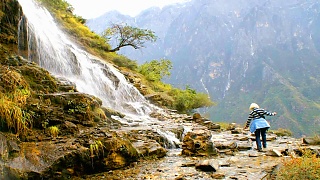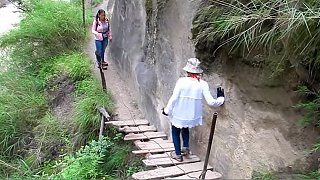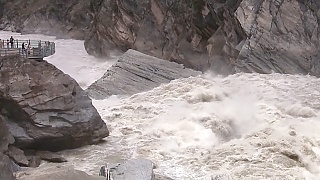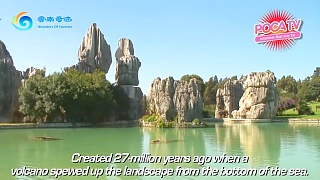
The amazing Tiger Leaping Gorge 虎跳峡 hike, YunNan province

[640],shadow=true,start=,stop=
[320],shadow=true,start=,stop= [320],shadow=true,start=,stop= [320],shadow=true,start=,stop=
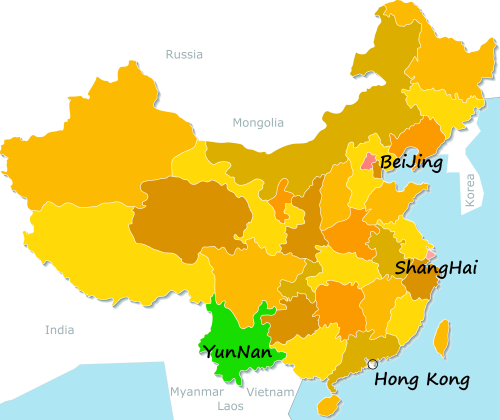
YunNan map

Related Videos


Featured Videos

The Hanging Temple of HengShan 悬空寺, and the YunGang Grottoes 云冈石窟
Near DaTong, ShanXi province. The Hanging Temple (XuanKong Temple 悬空寺, XuánKōng Sì) is constructed on a vertical cliff face, 75 meters (245 feet) above the ground, at the foot of the HengShan mountain. The temple lies about 64 kilometers south east of the city of DaTong. Together with the YunGang Grottoes, the Hanging Temple is one of the main tourist attractions and historical sites in the DaTong area. Built more than 1,600 years ago, this temple is notable also as the only surviving temple combining all three Chinese traditional religions/philosophies: Buddhism, Taoism, and Confucianism. The structure is kept in place with oak crossbeams slotted into holes chiseled into the cliffs. The main supportive structure is hidden inside the rock. The temple is located in a small canyon basin, and is situated under a prominent summit that helps protect the temple from rain and sunlight. The YunGang Grottoes are located at the southern foot of Mount WuZhou, 16 kilometers west of DaTong. There are 250 caves here containing many thousands of carvings and statues.
NingXia 宁夏 – desert oasis
NingXia province lies in northern China. With CGTN Travelogue ...
US aggression in Thailand, Pakistan and Malaysia (to isolate China)
The West's new cold war is hotting up. What is the US up to in all China's neighbors ... Derailing China's Belt and Road Initiative, this time in Pakistan ... Malaysia ...
Poetry and architecture
On a trip to Yunhe Terrace in Lishui, Zhejiang in 2016, mother fell in love with the beautiful views and fresh air there. Recalling that mother sold family house in hometown to raise money for his tuition to study abroad 16 years ago, Tian rent a 2-mu land 1030 meters above the sea level and built his mother a new house surrounded by mountains and clouds. The spare rooms are used to run a guesthouse. 2016年,建築師田景海帶著母親去浙江麗水的雲和梯田旅遊,母親愛上了這兒的好山好水好空氣。想起16年前母親為了籌措自己留學的學費,賣掉老家的房子,田景海便在麗水租下2畝地,在海拔1030米的雲海山間,為媽媽造了一個新宅,空餘房間則用來做民宿。 Ye Hui is a poet. He is passionate about the fate of people, and his poems have been selected many times in the "Chinese Annual Poetry". Meanwhile he is an architect, specializing in old building renovation. In 2014, Ye Hui bought a lakeview villa in Nanjing. Living in a house with 400-square-meter indoor area and an 800-square-meter courtyard, he spends most of his time in a 3-square-meter space. 葉輝是詩人,他的詩作飽含情感地關注著人的命運,多次入選《中國年度詩歌》,同時他也是一位建築師,擅長老建築改造。2014年,葉輝買下南京的一套湖景別墅,室內空間400㎡,內院800㎡,不過他最常待的工作空間,只有3㎡。
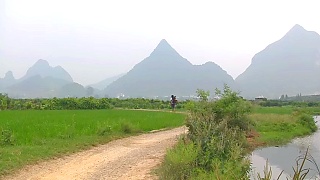
The beautiful YuLong River 玉龙河, GuangXi province
Between GuiLin and YangShuo ...
Post office in the desert
NingXia ...
XiZhou ancient town, near DaLi in YunNan province
With Sun Kissed Bucket List ... XiZhou Ancient Town Visitor Guide XiZhou Ancient Town is a gem of Yunnan Province, located approximately 20 kilometers from Dali’s old town. Nestled along the shores of the serene Erhai Lake, XiZhou offers a unique blend of rich Bai culture, stunning ancient architecture, and a tranquil environment, making it a must-visit for travelers seeking a more intimate and traditional experience. Overview Location: XiZhou is situated within the Dali Bai Autonomous Prefecture and is renowned for its well-preserved Bai minority culture. Famous For: Traditional Bai houses, ancient courtyards, folk performances, unique local cuisine, and vibrant markets. Getting There From Dali: You can take a bus or taxi from Dali Old Town (20-30 minutes). From Kunming: XiZhou is about a 5-hour drive from Kunming. Buses to Dali are available, and from Dali, you can take local transportation to XiZhou. Best Time to Visit: Spring (April-May) and autumn (September-October). Top Attractions in XiZhou Yan Family Courtyard (Yan Jia Da Yuan): The most famous ancient residence in XiZhou, showcasing traditional Bai architecture with beautiful wood carvings, white-washed walls, and murals. Bai Minority Culture and Houses: Explore over 150 well-preserved traditional Bai houses with intricate designs and courtyards. XiZhou Morning Market: A bustling market full of fresh produce, traditional snacks, and local crafts. Arrive early (7 AM – 9 AM) to experience the market at its liveliest. Erhai Lake: A stunning lake where you can walk, cycle, or take boat rides to enjoy the natural beauty. Shuanglang Town: A trendy nearby town famous for its artistic vibe and boutique guesthouses. A perfect day trip from XiZhou. Cultural Experiences Bai Minority Dress and Dance: Experience colorful traditional Bai clothing and catch performances of traditional dances during festivals or market days. Tea Culture at XiZhou: Enjoy traditional tea-tasting experiences in local homes or guesthouses. Local Delicacies XiZhou Baba (喜洲粑粑): A crispy, savory (or sweet) flatbread made from wheat flour. Try it fresh from street vendors. Dali Cheese (Rushan, 乳扇): A Bai specialty cheese, often grilled or fried, that you can find throughout the town. Erhai Fish: Fresh fish dishes prepared from the lake's bounty, best enjoyed at lakeside restaurants. Rose Petal Cake (玫瑰饼): A delicate pastry filled with rose petal jam. This treat is especially famous in XiZhou, where roses are grown locally. Its fragrant sweetness makes it a popular souvenir. Where to Stay Local Homestays: Family-run guesthouses, often in traditional Bai homes, offering an intimate experience of Bai culture. Boutique Hotels: For more luxury, boutique hotels combine modern amenities with traditional architecture. Tips for Visitors Language: Most people speak the local Bai dialect, but Mandarin Chinese is sufficient for communication. English is not widely spoken. Respect Local Customs: Dress modestly and ask permission before photographing people. Shopping: Support local artisans by purchasing handmade textiles, embroidery, and silverware from the markets. Nearby Attractions Dali Old Town: A larger, more developed town known for its old city walls, temples, and lively atmosphere. Cangshan Mountain: Offers hiking trails, cable cars, and panoramic views of Erhai Lake and Dali’s landscape. Conclusion XiZhou Ancient Town is an ideal destination for those wanting to immerse themselves in authentic Bai culture, ancient architecture, and the peaceful lakeside environment of Yunnan. Whether you're exploring ancient homes, tasting local delicacies, or enjoying the beauty of Erhai Lake, XiZhou provides a rich cultural experience in a relaxed setting.
Restoring ancient pottery for the Palace Museum
The Confucius Temple / Imperial College in BeiJing
With Cameraman ... With China Tour ... Visitor Guide to the Confucius Temple and Imperial College, Beijing Introduction The Confucius Temple and Imperial College (Guozijian) in Beijing are historical landmarks dedicated to the legacy of Confucius, one of China's most influential philosophers, and to the education of scholars who served the imperial government. These sites reflect the importance of Confucianism in Chinese history and are a must-visit for anyone interested in Chinese culture and history. History Confucius Temple (孔庙, Kǒng Miào) Built in 1302 during the Yuan Dynasty, the Confucius Temple in Beijing is one of the largest and oldest Confucian temples in China. It was expanded during the Ming and Qing dynasties, becoming a prominent center for Confucian worship and scholarship. The temple was a place where scholars and officials would pay their respects to Confucius and seek inspiration from his teachings. Imperial College (国子监, Guózǐjiàn) The Imperial College, also known as Guozijian, was established in 1306, just a few years after the temple. It served as the highest educational institution in imperial China, where scholars studied the Confucian classics in preparation for civil service examinations. The college was managed by the imperial government, reflecting the significant role of education in governance. Architecture and Key Highlights Confucius Temple The temple complex features traditional Chinese architecture with intricate wooden carvings, stone pillars, and tiled roofs. Key structures include: Dacheng Hall (Hall of Great Accomplishment): The main hall, housing a statue of Confucius, where important ceremonies and rituals are conducted. Stele Pavilions: These pavilions contain stone tablets inscribed with texts and inscriptions from various Chinese dynasties. Spirit Way: A pathway lined with ancient cypress trees, leading to the temple's main halls. Imperial College The Imperial College complex showcases traditional Chinese educational architecture. Highlights include: Biyong Hall: The centerpiece of the college, this circular hall is surrounded by a moat and accessed by four bridges, symbolizing the spread of Confucian teachings to all corners of the world. Jixian Hall: A lecture hall where scholars were taught the Confucian classics. Gate of Great Accomplishment: The main entrance to the college, symbolizing the pursuit of knowledge and scholarly achievement. Visitor Information Here are some practical details to help plan your visit to the Confucius Temple and Imperial College: Location: No. 13, Guozijian Street, Dongcheng District, Beijing, China. Opening Hours: Daily from 8:30 AM to 5:00 PM. Last entry is at 4:30 PM. (Hours may vary seasonally) Admission Fee: Approximately 30 RMB (Check for updated prices before visiting). Transportation: The nearest subway station is Yonghegong (Lama Temple), on Line 2 and Line 5. From there, it’s a short walk to the temple. Tips for Visitors Plan to spend at least 1-2 hours exploring the site to fully appreciate its historical and architectural significance. Visit early in the morning or late in the afternoon to avoid the crowds and enjoy a more peaceful experience. Consider hiring a guide or using an audio guide to gain deeper insights into the history and significance of the site. Respect the cultural and religious significance of the site. Dress modestly and behave respectfully.

Tag search ?