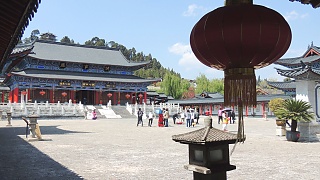
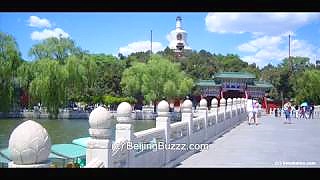
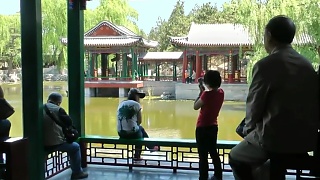
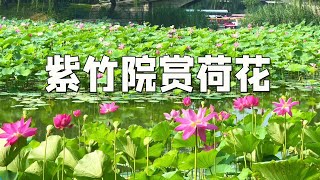
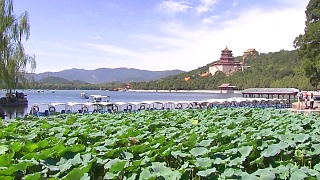
200 panoramas of the Summer Palace (click thumbnail to view large).

http://www.beijingguide2008.com/summer_palace_panoramic_photos.html
Live more ...
 Panoramic photographs of the Summer Palace
200 panoramas of the Summer Palace (click thumbnail to view large).
http://www.beijingguide2008.com/summer_palace_panoramic_photos.html
|
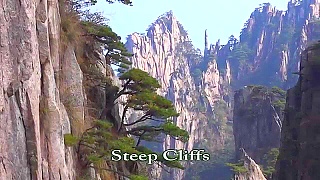
Explore the beautiful Yellow Mountain in AnHui province ...
|

|
|
|
Overview
ChengDu (成都) is the capital city of SiChuan province in south-west China. Known for its spicy cuisine, relaxed lifestyle, and panda conservation centers, Chengdu offers a unique blend of modernity and tradition.
Top Attractions
Chengdu Research Base of Giant Panda Breeding (成都大熊猫繁育研究基地) - Chéngdū Dàxióngmāo Fányù Yánjiū Jīdì
Jinli Ancient Street (锦里古街) - Jǐnlǐ Gǔjiē
Wuhou Shrine (武侯祠) - Wǔhóu Cí
Qingcheng Mountain (青城山) - Qīngchéng Shān
Dujiangyan Irrigation System (都江堰) - Dūjiāngyàn
Wide and Narrow Alleys (Kuanzhai Alley) (宽窄巷子) - Kuānzhǎi Xiàngzi
Sichuan Opera and Face Changing Show (川剧变脸) - Chuānjù Biànliǎn
Chengdu People's Park (成都人民公园) - Chéngdū Rénmín Gōngyuán
Chunxi Road (春熙路) - Chūnxī Lù
Song Xian Qiao Antique Market (宋庆龄故居松仙桥古玩市场) - Sòng Qìnglíng Gùjū Sōngxiānqiáo Gǔwàn Shìchǎng
Wenshu Monastery (文殊院) - Wénshū Yuàn
Mt. Emei (峨眉山) - Éméi Shān (Day trip from Chengdu)
Tianfu New Area (天府新区) - Tiānfǔ Xīn Qū
Anshun Bridge Night Market (安顺廊桥夜市) - Ānshùn Lángqiáo Yèshì
Chengdu Culture Park (成都文化公园) - Chéngdū Wénhuà Gōngyuán
Chengdu Panda Asian Food Festival (成都国际熊猫美食节) - Chéngdū Guójì Xióngmāo Měishí Jié
Chengdu Botanical Garden (成都植物园) - Chéngdū Zhíwùyuán
Sichuan Science and Technology Museum (四川科技馆) - Sìchuān Kējìguǎn
Chengdu Tianfu Square (成都天府广场) - Chéngdū Tiānfǔ Guǎngchǎng
Dufu Thatched Cottage (杜甫草堂) - Dùfǔ Cǎotáng
Huanglongxi Ancient Town (黄龙溪古镇) - Huánglóngxī Gǔzhèn
Sichuan University (四川大学) - Sìchuān Dàxué
Sanxingdui Museum (三星堆博物馆) - Sānxīngduī Bówùguǎn
Daci Temple (大慈寺) - Dàcí Sì
Luodai Ancient Town (洛带古镇) - Luòdài Gǔzhèn
Chengdu Sports Center (成都市体育中心) - Chéngdū Shì Tǐyù Zhōngxīn
Chengdu Eastern Music Park (成都东部音乐公园) - Chéngdū Dōngbù Yīnyuè Gōngyuán
Huanhuaxi Park (浣花溪公园) - Huànhuāxī Gōngyuán
Qintai Road Historic District (琴台路历史文化街区) - Qíntái Lù Lìshǐ Wénhuà Jiēqū
Chengdu Happy Valley (成都欢乐谷) - Chéngdū Huānlègǔ
Huaxi Music Fountain (花溪音乐喷泉) - Huāxī Yīnyuè Pēnquán
Hejiang Pavilion (合江亭) - Héjiāng Tíng
Chengdu Radio and TV Tower (成都电视塔) - Chéngdū Diànshì Tǎ
Wolong National Nature Reserve (卧龙国家级自然保护区) - Wòlóng Guójiā Jí Zìrán Bǎohùqū
Mt. Qingcheng-Dujiangyan Scenic Area (青城山-都江堰风景区) - Qīngchéng Shān-Dūjiāngyàn Fēngjǐng Qū
Chengdu Tianfu Greenway (成都天府绿道) - Chéngdū Tiānfǔ Lǜdào
Chengdu Haichang Polar Ocean Park (成都海昌极地海洋公园) - Chéngdū Hǎichāng Jídì Hǎiyáng Gōngyuán
Dining Experiences
Hot Pot (火锅) - Huǒguō
Sichuan Cuisine (川菜) - Chuāncài
Tea Houses (茶馆) - Cháguǎn
Huangcheng Laoma (Old Master Huang's Restaurant) (黄城老妈) - Huángchéng Lǎomā
Yulin Life Plaza Food Street (玉林生活广场美食街) - Yùlín Shēnghuó Guǎngchǎng Měishí Jiē
Long Chaoshou Restaurant (Dragon's Wonton Restaurant) (龙抄手) - Lóng Chāoshǒu
Shopping and Entertainment
Chunxi Road Shopping District (春熙路购物区) - Chūnxī Lù Gòuwù Qū
Taikoo Li (太古里) - Tàigǔlǐ
IFS (International Finance Square) (国际金融中心) - Guójì Jīnróng Zhōngxīn
Sichuan Opera and Tea Culture Show (川剧茶艺表演) - Chuānjù Cháyì Biǎoyǎn
Chengdu Global Center (成都环球中心) - Chéngdū Huánqiú Zhōngxīn
Chengdu IFS Ice Fountain (IFS冰雪奇缘) - IFS Bīngxuě Qíyuán
Chengdu New Century Global Center (成都世纪环球中心) - Chéngdū Shìjì Huánqiú Zhōngxīn
Tianfu New Area (天府新区) - Tiānfǔ Xīn Qū
Nightlife and Entertainment
Wide and Narrow Alleys (Kuanzhai Alley) (宽窄巷子) - Kuānzhǎi Xiàngzi
Jiuyanqiao Bar Street (九眼桥酒吧街) - Jiǔyǎnqiáo Jiǔbā Jiē
Lan Kwai Fong Chengdu (成都兰桂坊) - Chéngdū Lánguìfāng
Heming Teahouse (Hemingway Bar) (海明茶馆) - Hǎimíng Cháguǎn
Chengdu Sino-Ocean Taikoo Li (成都远洋太古里) - Chéngdū Yuǎnyáng Tàigǔlǐ
Practical Tips
Transportation: Use the Chengdu metro system, buses, or taxis for getting around.
Language: Mandarin is the primary language; learn some basic phrases.
Weather: Chengdu has a mild climate, but prepare for occasional rain, especially in summer.
Currency: Use local currency (Renminbi).
Panda Visits: Plan your visit to the panda base early in the morning for the best panda viewing.
Respect Local Customs: Embrace the laid-back lifestyle and tea culture of Chengdu.
Hidden Gems
Leshan Giant Buddha (乐山大佛) - Lèshān Dàfó (Day trip from Chengdu)
Mount Qingcheng (青城山) - Qīngchéng Shān (Day trip from Chengdu)
Luodai Ancient Town (洛带古镇) - Luòdài Gǔzhèn
Wolong National Nature Reserve (卧龙国家级自然保护区) - Wòlóng Guójiā Jí Zìrán Bǎohùqū
Chengdu Tianfu Greenway (成都天府绿道) - Chéngdū Tiānfǔ Lǜdào
Chengdu Haichang Polar Ocean Park (成都海昌极地海洋公园) - Chéngdū Hǎichāng Jídì Hǎiyáng Gōngyuán
Chengdu Anren Ancient Town (成都安仁古镇) - Chéngdū Ānrén Gǔzhèn
Chengdu Wuhou Shrine Music and Dance Show (武侯祠音乐舞蹈表演) - Wǔhóu Cí Yīnyuè Wǔdǎo Biǎoyǎn
Mount Siguniang (Four Sisters Mountain) (四姑娘山) - Sìgūniáng Shān (Multi-day excursion from Chengdu)
Chengdu Happy Valley (成都欢乐谷) - Chéngdū Huānlègǔ
Huanglongxi Ancient Town (黄龙溪古镇) - Huánglóngxī Gǔzhèn
Sanxingdui Museum (三星堆博物馆) - Sānxīngduī Bówùguǎn
Dujiangyan Panda Base (都江堰熊猫基地) - Dūjiāngyàn Xióngmāo Jīdì
Chengdu Du Fu Thatched Cottage Museum (成都杜甫草堂博物馆) - Chéngdū Dùfǔ Cǎotáng Bówùguǎn
Chengdu Lixiang Park (成都荔香公园) - Chéngdū Lìxiāng Gōngyuán
Chengdu Yongling Mausoleum (成都永陵) - Chéngdū Yǒnglíng
Chengdu Aircraft Carrier Theme Park (成都航空母舰主题公园) - Chéngdū Hángkōng Mǔjiàn Zhǔtí Gōngyuán
Chengdu Happy Water World (成都欢乐水世界) - Chéngdū Huānlè Shuǐ Shìjiè
Chengdu Confucius Temple (成都文庙) - Chéngdū Wénmiào
Chengdu Huanglongxi Film and Television Base (成都黄龙溪影视基地) - Chéngdū Huánglóngxī Yǐngshì Jīdì
Chengdu Xiling Snow Mountain (成都西岭雪山) - Chéngdū Xīlǐng Xuěshān
Chengdu Sichuan Opera Theater (成都川剧院) - Chéngdū Chuānjù Yuàn
Chengdu Bonsai Garden (成都盆景园) - Chéngdū Pénjǐng Yuán
Chengdu Nanhu Dreamland (成都南湖梦幻岛) - Chéngdū Nánhú Mènghuàn Dǎo
Chengdu Dayi Strawberry Park (成都大邑草莓园) - Chéngdū Dàyì Cǎoméi Yuán
Chengdu Dinosaur Museum (成都恐龙博物馆) - Chéngdū Kǒnglóng Bówùguǎn
Enjoy exploring Chengdu's rich culture, delicious cuisine, and the adorable giant pandas!
|
|
|
ShenZhen: 20 Kid-Friendly Places to Visit
Window of the World (世界之窗 Shìjiè Zhī Chuāng): Theme park with replicas of famous landmarks from around the world.
Happy Valley (欢乐谷 Huānlègǔ): Amusement park with rides, shows, and attractions for all ages.
Shenzhen Safari Park (深圳野生动物园 Shēnzhèn Yěshēng Dòngwùyuán): Safari park with a variety of animals, shows, and interactive experiences.
Sea World (海上世界 Hǎishàng Shìjiè): Waterfront area with restaurants, shops, and entertainment venues.
Shenzhen Children's Palace (深圳市少年宫 Shēnzhèn Shì Shàonián Gōng): Cultural center offering classes, workshops, and performances for children.
Fairy Lake Botanical Garden (仙湖植物园 Xiān Hú Zhíwùyuán): Botanical garden with plant collections, walking trails, and scenic landscapes.
Shenzhen Splendid China Folk Village (深圳锦绣中华民俗村 Shēnzhèn Jǐnxiù Zhōnghuá Mínsú Cūn): Theme park with exhibits on Chinese culture, history, and traditions.
Shenzhen Mangrove Nature Reserve (深圳红树林自然保护区 Shēnzhèn Hóngshùlín Zìrán Bǎohù Qū): Nature reserve with mangrove forests, boardwalks, and birdwatching.
Dameisha Beach (大梅沙海滨公园 Dà Méishā Hǎibīn Gōngyuán): Beach park with sandy shores, water sports, and seaside attractions.
Xiaomeisha Beach (小梅沙海滨公园 Xiǎo Méishā Hǎibīn Gōngyuán): Beach park with swimming areas, water slides, and recreational facilities.
Shenzhen Lianhuashan Park (深圳莲花山公园 Shēnzhèn Liánhuā Shān Gōngyuán): Park with gardens, temples, and scenic views of the city.
Shenzhen Children's Library (深圳市少年儿童图书馆 Shēnzhèn Shì Shàonián Értóng Túshūguǎn): Library with children's books, storytelling sessions, and educational activities.
Shenzhen Science Museum (深圳科技馆 Shēnzhèn Kējìguǎn): Museum with interactive exhibits, experiments, and demonstrations on science and technology.
Shenzhen Happy Harbor (深圳欢乐港湾 Shēnzhèn Huānlè Gǎngwān): Waterfront area with shops, restaurants, and entertainment options for families.
Shenzhen Museum (深圳博物馆 Shēnzhèn Bówùguǎn): Museum with exhibits on Shenzhen's history, culture, and development.
Shenzhen International Garden and Flower Expo Park (深圳国际园林花卉博览园 Shēnzhèn Guójì Yuánlín Huāhuì Bólǎn Yuán): Park with botanical gardens, flower displays, and cultural events.
Shenzhen Poly Theatre (深圳保利剧院 Shēnzhèn Bǎolì Jùyuàn): Performing arts venue with theater productions, concerts, and shows suitable for families.
Shenzhen OCT Harbour (深圳华侨城欢乐港湾 Shēnzhèn Huáqiáochéng Huānlè Gǎngwān): Waterfront area with shopping, dining, and entertainment options overlooking the bay.
Shenzhen Guanlan Printmaking Base (深圳观澜版画基地 Shēnzhèn Guānlán Bǎnhuà Jīdì): Art village with printmaking studios, galleries, and workshops.
Shenzhen Fairy Lake Botanical Garden (深圳仙湖植物园 Shēnzhèn Xiān Hú Zhíwùyuán): Botanical garden with plant collections, walking trails, and scenic landscapes.
ShenZhen: 30 More Places to Visit
Shenzhen Window of the World (深圳世界之窗 Shēnzhèn Shìjiè Zhī Chuāng): Theme park with replicas of famous landmarks from around the world.
Shenzhen Happy Valley (深圳欢乐谷 Shēnzhèn Huānlègǔ): Amusement park with rides, shows, and attractions for all ages.
Shenzhen Safari Park (深圳野生动物园 Shēnzhèn Yěshēng Dòngwùyuán): Safari park with a variety of animals, shows, and interactive experiences.
Shenzhen Sea World (深圳海上世界 Shēnzhèn Hǎishàng Shìjiè): Waterfront area with restaurants, shops, and entertainment venues.
Shenzhen Children's Palace (深圳市少年宫 Shēnzhèn Shì Shàonián Gōng): Cultural center offering classes, workshops, and performances for children.
Shenzhen Fairy Lake Botanical Garden (深圳仙湖植物园 Shēnzhèn Xiān Hú Zhíwùyuán): Botanical garden with plant collections, walking trails, and scenic landscapes.
Shenzhen Splendid China Folk Village (深圳锦绣中华民俗村 Shēnzhèn Jǐnxiù Zhōnghuá Mínsú Cūn): Theme park with exhibits on Chinese culture, history, and traditions.
Shenzhen Mangrove Nature Reserve (深圳红树林自然保护区 Shēnzhèn Hóngshùlín Zìrán Bǎohù Qū): Nature reserve with mangrove forests, boardwalks, and birdwatching.
Shenzhen Dameisha Beach (深圳大梅沙海滨公园 Shēnzhèn Dà Méishā Hǎibīn Gōngyuán): Beach park with sandy shores, water sports, and seaside attractions.
Shenzhen Xiaomeisha Beach (深圳小梅沙海滨公园 Shēnzhèn Xiǎo Méishā Hǎibīn Gōngyuán): Beach park with swimming areas, water slides, and recreational facilities.
Shenzhen Lianhuashan Park (深圳莲花山公园 Shēnzhèn Liánhuā Shān Gōngyuán): Park with gardens, temples, and scenic views of the city.
Shenzhen Children's Library (深圳市少年儿童图书馆 Shēnzhèn Shì Shàonián Értóng Túshūguǎn): Library with children's books, storytelling sessions, and educational activities.
Shenzhen Science Museum (深圳科技馆 Shēnzhèn Kējìguǎn): Museum with interactive exhibits, experiments, and demonstrations on science and technology.
Shenzhen Happy Harbor (深圳欢乐港湾 Shēnzhèn Huānlè Gǎngwān): Waterfront area with shops, restaurants, and entertainment options for families.
Shenzhen Museum (深圳博物馆 Shēnzhèn Bówùguǎn): Museum with exhibits on Shenzhen's history, culture, and development.
Shenzhen International Garden and Flower Expo Park (深圳国际园林花卉博览园 Shēnzhèn Guójì Yuánlín Huāhuì Bólǎn Yuán): Park with botanical gardens, flower displays, and cultural events.
Shenzhen Poly Theatre (深圳保利剧院 Shēnzhèn Bǎolì Jùyuàn): Performing arts venue with theater productions, concerts, and shows suitable for families.
Shenzhen OCT Harbour (深圳华侨城欢乐港湾 Shēnzhèn Huáqiáochéng Huānlè Gǎngwān): Waterfront area with shopping, dining, and entertainment options overlooking the bay.
Shenzhen Guanlan Printmaking Base (深圳观澜版画基地 Shēnzhèn Guānlán Bǎnhuà Jīdì): Art village with printmaking studios, galleries, and workshops.
Shenzhen Fairy Lake Botanical Garden (深圳仙湖植物园 Shēnzhèn Xiān Hú Zhíwùyuán): Botanical garden with plant collections, walking trails, and scenic landscapes.
Shenzhen Window of the World (深圳世界之窗 Shēnzhèn Shìjiè Zhī Chuāng): Theme park with replicas of famous landmarks from around the world.
Shenzhen Happy Valley (深圳欢乐谷 Shēnzhèn Huānlègǔ): Amusement park with rides, shows, and attractions for all ages.
Shenzhen Safari Park (深圳野生动物园 Shēnzhèn Yěshēng Dòngwùyuán): Safari park with a variety of animals, shows, and interactive experiences.
Shenzhen Sea World (深圳海上世界 Shēnzhèn Hǎishàng Shìjiè): Waterfront area with restaurants, shops, and entertainment venues.
Shenzhen Children's Palace (深圳市少年宫 Shēnzhèn Shì Shàonián Gōng): Cultural center offering classes, workshops, and performances for children.
Shenzhen Fairy Lake Botanical Garden (深圳仙湖植物园 Shēnzhèn Xiān Hú Zhíwùyuán): Botanical garden with plant collections, walking trails, and scenic landscapes.
Shenzhen Splendid China Folk Village (深圳锦绣中华民俗村 Shēnzhèn Jǐnxiù Zhōnghuá Mínsú Cūn): Theme park with exhibits on Chinese culture, history, and traditions.
Shenzhen Mangrove Nature Reserve (深圳红树林自然保护区 Shēnzhèn Hóngshùlín Zìrán Bǎohù Qū): Nature reserve with mangrove forests, boardwalks, and birdwatching.
|
|
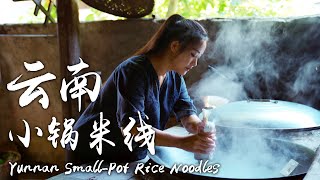
Mǐfěn Miàn. A staple of YunNan 'small eats' 小吃 (XiǎoChī) street food dishes.
With DianXi XiaoGe #滇西小哥 ...
|
|
Twilight ...
See you again ...
MV - my hometown, NanJing ...
Flowers (one girl band) ...
A little flamenco ...
Can you feel my love ? - with JoySide ...
|
|
With Jason Gregory.
Wu wei and the Dao (Tao) ...
Bonus film - with Alan Watts ...
|

|
North XinJiang province, including Kanas Lake. Awesome !
With Hogin Chen ...
|
|
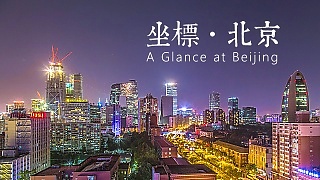
BěiJīng, BěiJīng
|