If I could fly – Joe Satriani – cover by YOYO

If I could fly - Joe Satriani - cover by YOYO (October 2020).

Awesome ...

[640],shadow=true,start=,stop=

Loving it ... Go, YoYo, Go ! ...

Not the most technically challenging (YoYo level), but really has passion and feeling; a beautiful realisation of a beautiful song. We hear so much here, from Chris Rea to ZZ Top, Dire Straits to Gary Moore, to Jimmy Page; full of nuance; so great. The slides, timing and guitar tuning (balance of pure and grunge) all excellent; all made to look easy, which means the spirit if soaring !

Imagine - imagine the billion people across this planet who'd like to fly, if they had the chance.

All the talent and all the dreams and all the love quashed, by those who clip our wings in the name of profit, or hegemony, or whatever ...

Imagine no fear of poverty; no being taught to fear 'the other'.

Just imagine - if we could all fly ...

All of us.

What a wonderful world that would be.

Related Videos


Featured Videos

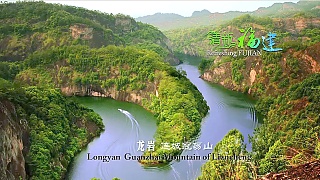
A beautiful guide to the best places in FuJian 福建 province
A coastal province in south east China 美丽中国·清新福建 官方旅游宣传短片
Charming WuXi : HuiShan ancient town, JiangSu province – canal and DongLin Academy
With Seiu Travel ... With Wei's Travel ... Huishan Ancient Town Travel Guide Overview Huishan Ancient Town, located in Wuxi, Jiangsu Province, is a well-preserved historical town known for its rich cultural heritage, ancient temples, traditional gardens, and ancestral halls. It provides visitors with a glimpse into China’s past with its classical architecture and serene atmosphere. How to Get There By Train: Take a high-speed train to Wuxi Railway Station or Wuxi East Railway Station, then take a taxi or public transport to the ancient town. By Bus: Local buses such as 45, 88, and 89 stop near the entrance of Huishan Ancient Town. By Car: Easily accessible via major highways leading to Wuxi, with parking available near the entrance. Main Attractions Huishan Temple: A historic Buddhist temple featuring beautiful statues and peaceful gardens. Ancestral Halls: Over a hundred ancestral halls belonging to various Chinese families, showcasing traditional architecture and family heritage. Jichang Garden: A classical Chinese garden known for its tranquil atmosphere, ponds, and traditional pavilions. Huishan Spring: A famous water source considered one of the best in southern China. Best Time to Visit The best time to visit Huishan Ancient Town is during spring (March-May) and autumn (September-November) when the weather is pleasant, and the scenery is at its most beautiful. Local Cuisine Wuxi-style Spare Ribs: A sweet and savory pork rib dish famous in the region. Huishan Clay Pot Noodles: A delicious noodle dish cooked in a clay pot with rich broth and toppings. Steamed Dumplings: Juicy dumplings filled with pork and soup, a local specialty. Tips for Visitors Wear comfortable walking shoes, as there are many cobblestone paths. Early morning visits offer a quieter and more picturesque experience. Local shops sell handmade crafts and souvenirs unique to the region. ***** Welcome to the Kingdom of Wu: A Visitor Guide and History Introduction to the Kingdom of Wu The Kingdom of Wu, a historical region in eastern China, is a land of profound cultural heritage, natural beauty, and historical significance. Centered around the modern city of Wuxi and extending to areas like Suzhou and Hangzhou, the Kingdom of Wu was one of the most influential states during the Spring and Autumn (770–476 BCE) and Warring States (475–221 BCE) periods. Today, the region is celebrated for its classical gardens, ancient waterways, and contributions to Chinese art, literature, and philosophy. History of the Kingdom of Wu The Kingdom of Wu emerged as a powerful state during the Zhou Dynasty, with its capital initially located in modern-day Suzhou. It played a pivotal role in Chinese history, particularly during the Spring and Autumn period, when it rivaled the states of Yue and Chu. The kingdom is famously associated with the legendary King Helü, who ruled during the 6th century BCE and is credited with constructing the Grand Canal and strengthening Wu's military. The Kingdom of Wu is also central to the story of Sun Tzu, the ancient military strategist and author of The Art of War. Sun Tzu served as a general under King Helü, and his strategies helped Wu achieve significant victories. The region's history is deeply intertwined with the development of Chinese civilization, particularly in areas like agriculture, silk production, and water management. Cultural Highlights of the Kingdom of Wu 1. Classical Gardens The Kingdom of Wu is renowned for its classical Chinese gardens, which are masterpieces of landscape design. These gardens, such as the Humble Administrator's Garden in Suzhou, feature intricate layouts, serene ponds, and elegant pavilions. They reflect the Confucian ideals of harmony between humans and nature. 2. Silk Production The region has been a center of silk production for thousands of years. The ancient city of Wuxi, in particular, was a major hub for silk weaving and trade. Visitors can explore the history of silk at local museums and workshops. 3. Wu Opera and Music The Kingdom of Wu is the birthplace of Wu Opera, a traditional form of Chinese opera known for its melodic tunes and poetic lyrics. The region is also famous for its traditional music, particularly the pipa (a Chinese lute) and guqin (a seven-stringed zither). Key Cities and Attractions 1. Wuxi Wuxi, often called the "Pearl of Lake Tai," is a city steeped in history and natural beauty. Key attractions include Lake Tai, the Lingshan Grand Buddha, and Xihui Park. Wuxi's Grand Canal section is a testament to the region's historical importance as a transportation hub. 2. Suzhou Suzhou, the ancient capital of the Kingdom of Wu, is famous for its classical gardens, canals, and silk industry. The Humble Administrator's Garden, Tiger Hill, and the Suzhou Museum are must-visit sites. 3. Hangzhou Hangzhou, located to the south of the Kingdom of Wu, is celebrated for its West Lake, a UNESCO World Heritage Site. The city is also known for its tea culture, particularly Longjing (Dragon Well) tea. Practical Travel Tips Best Time to Visit: Spring (March to May) and autumn (September to November) offer mild weather and vibrant scenery. Getting There: The region is well-connected by high-speed trains. Major cities like Wuxi, Suzhou, and Hangzhou have their own train stations and airports. Accommodation: Options range from luxury hotels to budget-friendly hostels. Staying near key attractions like Lake Tai or West Lake is recommended. Local Transportation: Public transportation is efficient, with buses, metros, and taxis readily available. Cycling is also a popular way to explore the cities.
A trip to China 中国 …
ZhangJiaJie 张家界 (HuNan) and HuaShan 华山 (ShaanXi) ... XingPing 兴平 and the Li River 漓江 (GuangXi) ... Xi'An 西安 (ShaanXi) and BeiJing 北京 ... LuoYang 洛阳 (HeNan) and PingYao 平遥 (ShanXi) ...
A look at ChengDu’s metro system, SiChuan province
With Rafa Goes Around! ... Bonus films - with Walk East ... The WuHan Metro ...
30 places to visit in and around HangZhou, ZheJiang province
Top 30 places to visit in and around HangZhou : West Lake (西湖, Xī Hú): Explore the scenic beauty of this UNESCO World Heritage Site with boat rides and leisurely strolls around the lake. Lingyin Temple (灵隐寺, Língyǐn Sì): Visit one of the most famous Buddhist temples in China, known for its ancient architecture and serene surroundings. Qinghefang Ancient Street (清河坊古街, Qīnghéfāng Gǔjiē): Wander through this historic street lined with traditional shops, teahouses, and street food vendors. Longjing Tea Plantation (龙井茶园, Lóngjǐng Cháyuán): Experience tea culture and enjoy a scenic hike through the picturesque tea fields. Hefang Street (河坊街, Héfāng Jiē): Discover a lively pedestrian street filled with shops selling local crafts, snacks, and souvenirs. China National Tea Museum (中国茶叶博物馆, Zhōngguó Cháyè Bówùguǎn): Learn about the history and culture of tea in China through interactive exhibits and demonstrations. Xixi Wetland Park (西溪湿地, Xīxī Shīdì): Enjoy nature walks, boat rides, and birdwatching in this scenic wetland park. Huqingyu Tang Chinese Medicine Museum (胡庆余堂药店博物馆, Húqìngyútáng Yàodiàn Bówùguǎn): Explore the history of traditional Chinese medicine and herbal remedies. Song Dynasty Town (宋城, Sòng Chéng): Step back in time to the Song Dynasty era and experience traditional architecture, performances, and cultural activities. National Silk Museum (中国丝绸博物馆, Zhōngguó Sīchóu Bówùguǎn): Learn about the ancient art of silk production and admire exquisite silk artifacts. Hangzhou Zoo (杭州动物园, Hángzhōu Dòngwùyuán): Spend a day with the family exploring the diverse animal exhibits and enjoying fun activities. Thousand Island Lake (千岛湖, Qiāndǎo Hú): Take a scenic boat cruise on this vast reservoir surrounded by lush green mountains. Six Harmonies Pagoda (六和塔, Liùhé Tǎ): Climb to the top of this ancient pagoda for panoramic views of the Qiantang River and surrounding landscapes. China Academy of Art (中国美术学院, Zhōngguó Měishù Xuéyuàn): Visit the campus and galleries of one of China's leading art institutions. Hangzhou Botanical Garden (杭州植物园, Hángzhōu Zhíwùyuán): Explore the diverse plant collections and scenic landscapes of this botanical garden. Grand Canal (大运河, Dà Yùnhé): Take a boat tour or stroll along the historic Grand Canal, a UNESCO World Heritage Site dating back over 1,000 years. China National Silk Museum (中国丝绸博物馆, Zhōngguó Sīchóu Bówùguǎn): Learn about the ancient art of silk production and admire exquisite silk artifacts. Hangzhou Paradise (杭州乐园, Hángzhōu Lèyuán): Have a thrilling day of fun and excitement with rides, shows, and attractions for all ages. Xiling Seal Engravers Society (西泠印社, Xī Líng Yìn Shè): Discover the art of seal engraving and calligraphy at this historic society and museum. Hangzhou Safari Park (杭州野生动物世界, Hángzhōu Yěshēng Dòngwù Shìjiè): Get up close and personal with exotic animals from around the world in this sprawling safari park. Hangzhou Wetland Science Museum (杭州湿地科技馆, Hángzhōu Shīdì Kējìguǎn): Learn about wetland ecosystems and environmental conservation through interactive exhibits and educational programs.
ShangHai City Guide
Welcome to Shanghai! Explore the dynamic city of Shanghai, where the past and present seamlessly blend together. From historic landmarks to modern skyscrapers, Shanghai offers an exciting mix of culture, cuisine, and experiences. About Shanghai Shanghai, China's largest city, is a global financial hub known for its futuristic skyline along the Huangpu River. The city is a melting pot of cultures and boasts a rich history influenced by its colonial past. Key features of Shanghai include its iconic Bund waterfront, traditional gardens, vibrant nightlife, and diverse culinary scene. Top Attractions The Bund: Walk along the historic waterfront to admire colonial-era architecture and panoramic views of Pudong. Yu Garden (Yuyuan Garden): Explore a classical Chinese garden with pavilions, ponds, and rockeries. Shanghai Tower: Ascend to the top of this skyscraper for breathtaking views of the city skyline. Oriental Pearl Tower: Visit the iconic TV tower with observation decks and a glass-bottomed walkway. Jing'an Temple: Experience the tranquility of this Buddhist temple in the heart of the city. Tianzifang: Wander through narrow alleyways filled with boutique shops, cafes, and art galleries. Shanghai Museum: Discover ancient Chinese art and artifacts in this world-class museum. French Concession: Stroll through tree-lined streets and explore trendy shops, bars, and restaurants. Shanghai Disneyland: Enjoy a magical day at the renowned Disney theme park. Culture and History Shanghai's culture reflects a blend of traditional Chinese heritage and international influences. Shikumen Architecture: Discover unique stone-gate houses in historic neighborhoods like Xintiandi. Traditional Arts: Attend a Shanghai opera or acrobatics show to witness local performing arts. Colonial Heritage: Learn about Shanghai's past through visits to former French and British concessions. Tea Culture: Participate in a tea ceremony to experience Chinese tea traditions. Dining in Shanghai Shanghai offers a diverse culinary landscape, from street food to Michelin-starred restaurants. Xiaolongbao: Try Shanghai's famous soup dumplings at Din Tai Fung or Jia Jia Tang Bao. Hairy Crab: Indulge in seasonal delicacies like Shanghai hairy crab (da zha xie). Shanghai Noodles: Taste savory noodles topped with braised pork or seafood. Street Food: Explore local markets for snacks like scallion pancakes, pot stickers, and stinky tofu. High-End Dining: Experience fine dining at upscale restaurants showcasing modern Chinese cuisine. Shopping in Shanghai From luxury boutiques to bustling markets, Shanghai is a shopper's paradise. Nanjing Road: Shop along China's premier shopping street for international brands and department stores. Tianzifang and Xintiandi: Browse through boutiques and designer shops in these trendy neighborhoods. Old Street (Nanshi): Explore antique markets and traditional handicraft shops near Yu Garden. IAPM Mall: Visit a modern shopping complex with luxury retailers and gourmet dining options. Fake Market (AP Plaza): Haggle for souvenirs, electronics, and clothing at this bustling market. Getting Around Shanghai Shanghai has a convenient public transportation system that includes metro, buses, taxis, and ridesharing services. Shanghai Metro: Navigate the city using the extensive subway network connecting major attractions and districts. Public Buses: Use bus routes to reach specific destinations; consider using mobile apps for route planning. Taxis and Ridesharing: Hail taxis or use apps like Didi for convenient transportation around the city. Bicycles: Rent bikes from bike-sharing stations to explore parks and scenic areas. Where to Stay in Shanghai Choose from a range of accommodations in Shanghai, from luxury hotels to budget-friendly hostels. Luxury Hotels: Experience world-class hospitality at luxury hotels along the Bund or in Lujiazui. Boutique Hotels: Stay in stylish boutique hotels offering personalized services and unique designs. Hostels and Guesthouses: Budget-friendly options with shared facilities, ideal for backpackers and solo travelers. Apartments and Rentals: Rent serviced apartments or vacation homes for a comfortable and homely stay. Practical Tips for Visitors Best Time to Visit: Spring (March to May) and autumn (September to November) offer pleasant weather. Language: Learn basic Mandarin phrases; use translation apps for communication. Currency: Use Chinese Yuan (CNY); major credit cards accepted in tourist areas. Etiquette: Respect local customs and manners; avoid public displays of affection. Safety: Be vigilant of pickpockets in crowded areas; carry copies of important documents. Internet Access: Purchase a local SIM card for mobile data; free Wi-Fi available in many cafes and public places. Enjoy Your Trip to Shanghai! Get ready to immerse yourself in the energy and excitement of Shanghai. Whether you're fascinated by history, captivated by the skyline, or indulging in delicious cuisine, Shanghai promises an unforgettable travel experience.
Exploring YunNan 云南 and GuangXi 广西 provinces
South China.
Mega Machines – China’s infrastructure building capabilities
Bonus film - the world's longest sea bridge ...
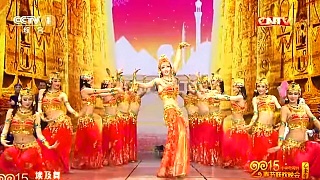
Dance of the Silk Road and Long Long Ago …
Plus, Gong LinNa with a beautiful new song : Xiao He Tang Shui 小河淌水 ...

Tag search ?