Discover FuJian 福建 province …

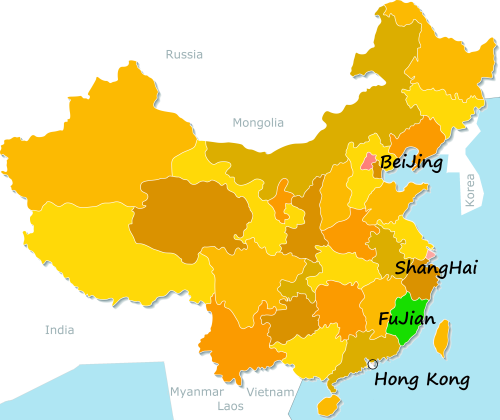
On the south east coast of China, with ZheJiang to the north and GuangDong to the south.

In part, FuJian is famous for its tea and lychee fruit.

The largest cities include FuZhou (the capital) and XiaMen.

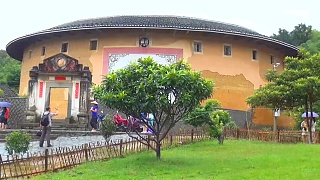
Hakka, a Han Chinese people but with their own distinct identity, live in the southern parts of the province. The Hakka are most associated with their unique TuLou - large, round, communal dwellings.

[640],shadow=true,start=,stop=
[320],shadow=true,start=,stop=
FuJian map

Related Videos


Featured Videos

Rural China – LiJiang to DaLi
With Soph ...
Why China is different
A talk by Martin Jacques; October 2020.
China is the world’s innovator – with Radhika Desai, Mick Dunford and Inside China Business
Whether it is clean green energy - solar and other renewable energy, EVs, etc., high speed rail, basic science research, AI, movies, social media, easy payments, safe streets, first class and affordable food, etc., ... China is leading the way (as it has done for millennia). With Radhika Desai and Mick Dunford ... With Inside China Business - on the world's top universities and research (STEM graduates; basic science; research papers; patents) ... Lies are merely reflections. With Arthur Khachikian and Neutrality Studies ... Bonus film - China Report with BreakThrough News and Pivot to Peace ... Bonus film - China's "economic collapse", with Sirant ...
Chinese democracy vs. Liberal democracy – debate
China's meritocracy versus Western Elite rule (with a 'vote' of which brand of the same thing can be made every 4 or so years). Is the Western 'vote' simply a way to get one's complicity into a governance that will never really be your side ? Spoiler - the Western model 'wins' the debate - but it is an audience of long brainwashed Westerners - lol ; ) * Try to play. Google doesn't like to play ball with China related videos unless they are clearly anti. No thumbnail or bad sound, etc (plays ok as of 26th August 2020) ... Bonus video, with Professor Zhang WeiWei & Professor Timothy Ash (a Munk debate). Which one works for an elite and which for the common people ... Looks like the video version has been 'black-holed' : (
A guide to BeiJing 北京 through the seasons …
A video treat ! Four films, starting with 'summer'. Welcome, to the blue sky city of Beijing ...
Street fashion in GuLou, BeiJing 北京
In the heart of old Beijing, a variety of young women describe their threads ...
GuanDi Temple (Temple of Guan Yu), DaTong, ShanXi province
With Andy see the World ... Guandi Temple (关帝庙), commonly referred to as the Grand Temple, is dedicated to the worship of Guan Yu, a revered general from the Three Kingdoms period. Originally built during the Yuan Dynasty, the temple remarkably retains its original Yuan Dynasty hall, making it the only surviving Yuan Dynasty structure within the Datong Ancient City. The architectures in the scenic area include: Shanmen (Mountain Gate): The entrance to Guandi Temple is marked by the Shanmen, a three-bay wide structure with a suspended mountain-style roof. The gate is adorned with a couplet inscribed on it, reading “Loyalty to the Han dynasty in the three kingdoms, ambition in one book of Spring and Autumn,” which reflects the values and aspirations attributed to Guan Yu. Chongsheng Hall (Passing Hall): Inside the Chongsheng Hall, a majestic bronze statue of Guan Yu riding a horse dominates the space. Standing at 3.3 meters tall and weighing two tons, the statue exudes the heroic and commanding presence of Guan Yu as a military leader. Main Hall (Wusheng Hall): The Wusheng Hall is the central structure of the temple complex, notable for its single-eave nine-ridge roof covered with glittering glazed tiles. The interior of the hall features a three-bay shrine at the front, connected by two finely carved golden columns. The shrine includes intricate wooden niches designed in the style of ancient wooden structures, with detailed carvings and a double-eave hip-and-gable roof. The niches are adorned with decorative patterns, and the space is embellished with colored paintings and gold-plated elements, showcasing the exquisite craftsmanship of the Qing Dynasty. Jieyi Garden (Brotherhood Garden): Located in the west courtyard, Jieyi Garden houses the Jieyi Hall and the Wuhou Shrine. In spring, the garden comes alive with blossoming peach flowers, filling the air with a delightful fragrance. Guandi Temple (Temple of Guan Yu), Datong Guandi Temple, also known as the Temple of Guan Yu, is a historic and culturally significant site located in Datong, Shanxi province. Dedicated to Guan Yu, a legendary general from the Three Kingdoms period, the temple is a testament to his enduring legacy as a symbol of loyalty, righteousness, and bravery. Here’s a detailed guide to everything you need to know about this remarkable temple. History and Background The Guandi Temple in Datong dates back to the Yuan Dynasty (1271–1368), with subsequent renovations during the Ming (1368–1644) and Qing (1644–1912) dynasties. Guan Yu, the temple’s namesake, was a revered general during the Three Kingdoms period and later deified as a god of war and loyalty. The temple was built to honor his virtues and has since become a place of worship and cultural significance. Architecture and Layout The temple is a fine example of traditional Chinese temple architecture, featuring: Grand Hall (Main Hall): The central hall houses a large statue of Guan Yu, depicted in his iconic pose with a long beard and a guandao (a type of pole weapon). Stone Tablets: Inscriptions on stone tablets detail the history of the temple and the life of Guan Yu. Courtyards: The temple complex includes several courtyards, each with its own unique features, such as ancient trees and decorative carvings. Roof Decorations: The roofs are adorned with intricate glazed tiles and statues of mythical creatures, symbolizing protection and good fortune. Main Attractions Here’s a detailed look at the must-see spots within the Guandi Temple: 1. Statue of Guan Yu The centerpiece of the temple is the imposing statue of Guan Yu, which stands in the Grand Hall. The statue is crafted with meticulous detail, showcasing Guan Yu’s威严 (majestic presence) and his iconic weapon, the Green Dragon Crescent Blade. 2. Stone Tablets and Inscriptions Scattered throughout the temple, these tablets provide historical insights into Guan Yu’s life and the temple’s construction. Some inscriptions are written in ancient calligraphy, adding to the temple’s cultural value. 3. Ancient Trees The temple grounds are home to several ancient trees, some of which are hundreds of years old. These trees add to the serene and timeless atmosphere of the temple. 4. Decorative Carvings The temple features intricate wood and stone carvings, depicting scenes from Chinese mythology and Guan Yu’s legendary exploits. These carvings are a testament to the skill and artistry of ancient Chinese craftsmen. Cultural Significance Guandi Temple is not just a place of worship but also a cultural landmark that reflects the values of loyalty, righteousness, and bravery embodied by Guan Yu. Key cultural aspects include: Worship of Guan Yu: Guan Yu is worshipped as a god of war, loyalty, and righteousness, and is also considered a protector of businesses. Visitors often pray for success, protection, and good fortune. Festivals and Rituals: During important festivals, such as Guan Yu’s Birthday (24th day of the 6th lunar month), the temple hosts ceremonies and performances. These events attract devotees and tourists alike, creating a vibrant atmosphere. Symbolism: The temple’s architecture and artifacts are rich in symbolism, reflecting traditional Chinese beliefs and values. How to Get There Guandi Temple is located in the heart of Datong, making it easily accessible: By Public Transport: Take a local bus or taxi to the temple. It’s a short ride from Datong’s city center. By Car: If you’re driving, parking is available near the temple. Best Time to Visit Spring (April–June): Pleasant weather and blooming flowers make this an ideal time to visit. Autumn (September–October): Cool temperatures and clear skies provide perfect conditions for exploring. During Festivals: Visiting during Guan Yu’s Birthday or other festivals offers a unique cultural experience. Travel Tips Dress Modestly: As a place of worship, it’s respectful to dress modestly when visiting the temple. Respect Local Customs: Follow temple etiquette, such as not touching artifacts and maintaining a quiet demeanor. Hire a Guide: Consider hiring a local guide to gain deeper insights into the temple’s history and significance. Combine with Other Attractions: Datong is home to other famous sites like the Yungang Grottoes and Hanging Temple, so plan a combined itinerary. Why Visit Guandi Temple? Guandi Temple is a must-visit destination for: History Enthusiasts: Learn about Guan Yu’s legendary life and the temple’s rich history. Cultural Explorers: Experience traditional Chinese architecture, art, and religious practices. Spiritual Seekers: Pay homage to Guan Yu and seek blessings for loyalty, success, and protection. Whether you’re drawn by history, culture, or spirituality, Guandi Temple in Datong offers a fascinating and enriching experience.
Boating through lotuses, BeiHai Park 北海公园, BeiJing
South east section of the lake.
Stress and health (don’t miss this)
With doctors Mark Hyman and Rangan Chatterjee. Of all the four pillars of health - diet, exercise, sleep and relaxation - the last is often the hardest to improve. Mindfulness, mindset, and the importance of 'downtime' and 'digital detox' ... And always take time to appreciate what you have, above worrying about what you don't have. Bonus film - the BIG epidemic that is ignored; chronic disease and the 'healthcare' system - don't miss it ...

Tag search ?