Beautiful ChongQing 重庆

A composition of aerial and time-lapse scenes ...

[640],shadow=true,start=,stop=

Chongqing, often referred to as the 'Mountain City', is a vibrant metropolis located in southwestern China. It's a fascinating destination for tourists, offering a unique blend of natural beauty, rich cultural heritage, and modern urban development. Here's a guide for tourists visiting Chongqing:

City Highlights:
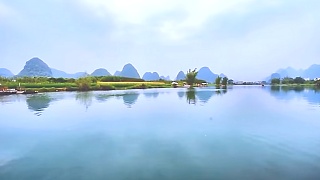
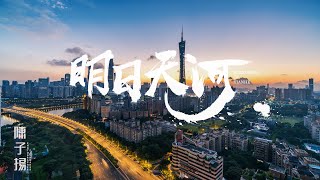
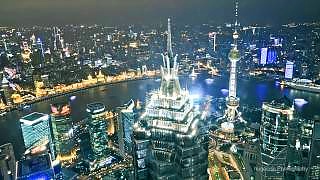
Geographical Features: Chongqing is renowned for its dramatic landscape, characterized by steep hills, towering skyscrapers, and the confluence of the Yangtze and Jialing rivers. The city's hilly terrain gives it a distinctive skyline and adds to its scenic beauty.

Three Gorges: As a gateway to the Three Gorges region, Chongqing serves as the starting point for Yangtze River cruises. Tourists can embark on cruises that traverse the picturesque Three Gorges, including Qutang Gorge, Wu Gorge, and Xiling Gorge, while experiencing the breathtaking scenery along the way.

Cultural Heritage: Chongqing boasts a rich cultural heritage with historical sites, temples, and museums that showcase its long history and cultural diversity. Must-visit attractions include the Dazu Rock Carvings, a UNESCO World Heritage site featuring intricate Buddhist sculptures, and the Three Gorges Museum, which offers insights into the region's natural and cultural history.

Culinary Delights: Chongqing is famous for its spicy Sichuan cuisine, particularly hotpot, a popular dish enjoyed by locals and visitors alike. Tourists can sample authentic Chongqing hotpot at local restaurants and street food stalls, savoring the bold flavors and fiery spices that characterize the region's cuisine.

Attractions and Activities:
Hongya Cave: This iconic riverside complex in downtown Chongqing features traditional architecture, colorful lights, and a bustling marketplace. Visitors can explore the labyrinthine alleyways, shop for souvenirs, and enjoy panoramic views of the Yangtze River from the elevated walkways.

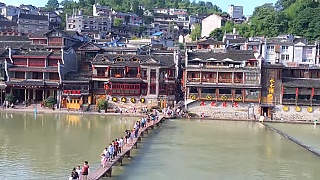
Ciqikou Ancient Town: Nestled along the banks of the Jialing River, Ciqikou Ancient Town is a well-preserved historic district known for its Ming and Qing Dynasty architecture, charming tea houses, and artisan shops. It's a great place to stroll, shop for handicrafts, and sample local snacks.

Jiefangbei Pedestrian Street: As the commercial heart of Chongqing, Jiefangbei Pedestrian Street is a bustling shopping and entertainment district lined with shops, malls, theaters, and restaurants. It's a vibrant area to explore, especially at night when the neon lights illuminate the streets.

Wulong Karst Landscape: Located about 3 hours' drive from Chongqing, the Wulong Karst Landscape is a UNESCO World Heritage site renowned for its stunning karst formations, natural bridges, and caves. Visitors can hike, explore underground caverns, and admire the breathtaking scenery of this geological wonderland.

Practical Tips:
Transportation: Getting around Chongqing is convenient with its extensive public transportation network, including buses, taxis, and the Chongqing Metro. Cable cars and escalators also provide access to the city's hilly terrain.

Weather: Chongqing has a subtropical climate with hot summers and mild winters. Summer temperatures can be sweltering, so it's advisable to dress accordingly and stay hydrated.

Language: Mandarin Chinese is the official language spoken in Chongqing, although the local Chongqing dialect is also prevalent. It's helpful to carry a phrasebook or translator app, especially if you're not fluent in Mandarin.

Chongqing offers a captivating blend of natural beauty, cultural heritage, and modern urban life, making it an exciting destination for tourists seeking to explore the diverse landscapes and rich cultural heritage of southwestern China.
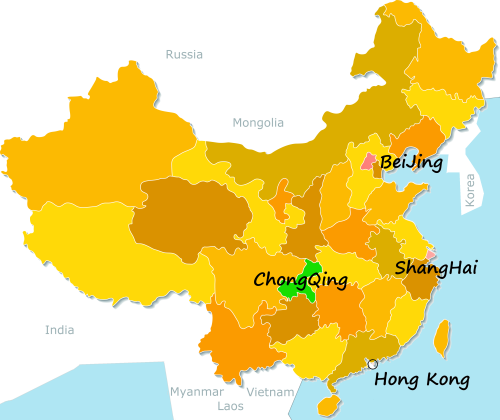
ChongQing map
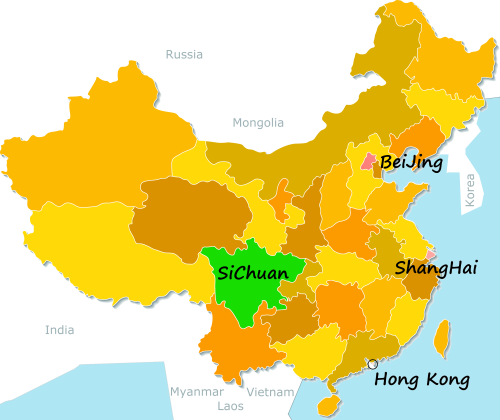
SiChuan map

Related Videos


Featured Videos

Early summer cuisine in the YunNan countryside
With DianXi XiaoGe ...
A hotpot in ChongQing
With Jay and Karolina ...
WuDangShan 武当山 Mountain – home of Taoism, birth place of TaiChi
HuBei province. With ShangGuan JieWen 上官杰文 ...
Tibet (XīZàng), China 西藏 (Scenic China Special, 2018 – 3)
Beautiful GuBei water town and the adjacent dramatic SiMaTai Great Wall of China, BeiJing
With LaLaLaLauran ... GuBei Water Town Travel Guide Introduction GuBei Water Town, located at the foot of the Simatai Great Wall in Miyun County, Beijing, is a picturesque water town that combines natural beauty with rich cultural heritage. Modeled after the ancient towns in Jiangnan (the region south of the Yangtze River), GuBei Water Town features traditional architecture, serene waterways, and stunning views of the Great Wall. This guide will help you explore the enchanting GuBei Water Town, including must-see attractions, activities, and practical travel information. Must-See Attractions Simatai Great Wall (司马台长城) One of the main highlights of GuBei Water Town is its proximity to the Simatai Great Wall, known for its steep slopes and well-preserved watchtowers. Visitors can take a cable car or hike to the wall, offering breathtaking views and a sense of historical significance. Water Town Night Tour (夜游水镇) Experience the magic of GuBei Water Town at night, when the entire town is illuminated with colorful lights reflecting off the waterways. The night tour provides a unique perspective of the town's beauty and a tranquil atmosphere for a relaxing evening stroll. Wangjing Tower (望京楼) Wangjing Tower, also known as the Watching Beijing Tower, offers panoramic views of the town and the surrounding mountains. It is a perfect spot for photography and enjoying the natural scenery. Folk Culture Museum (民俗文化馆) The Folk Culture Museum showcases the traditional customs, clothing, and handicrafts of the local people. It provides an educational insight into the cultural heritage of the region. Yang Wudi Temple (杨无敌庙) Dedicated to the legendary General Yang Yanzhao, the Yang Wudi Temple is a historic site that offers a glimpse into the town's religious and military history. The temple is beautifully preserved and adds to the cultural richness of GuBei Water Town. Activities and Experiences Boat Rides: Take a boat ride along the picturesque canals of GuBei Water Town. This is a relaxing way to see the town from a different perspective and enjoy the peaceful waterways. Traditional Performances: Enjoy traditional Chinese performances, including folk music, dance, and opera. These performances are often held in the town's public squares and add to the cultural ambiance. Local Cuisine: Sample local delicacies at the various restaurants and street food vendors throughout the town. Popular dishes include roast duck, handmade noodles, and various snacks. Hot Springs: Relax and unwind at the nearby hot springs, which offer a soothing retreat after a day of exploring. The hot springs are renowned for their therapeutic properties and scenic surroundings. Shopping: Browse the town's shops for traditional handicrafts, souvenirs, and local products. The shops offer a wide range of items, from silk garments to handmade pottery. Practical Travel Information Getting There: GuBei Water Town is accessible by bus, car, or private tour from Beijing. The journey takes approximately 2-3 hours by car. Buses are available from Beijing's Dongzhimen Bus Station. Entrance Fee: The entrance fee for GuBei Water Town varies depending on the season and whether you are visiting during the day or night. Check the official website or contact local tourism offices for up-to-date pricing. Opening Hours: GuBei Water Town is open from 8:00 AM to 9:00 PM. Night tours are available from 5:00 PM to 10:00 PM, offering a unique evening experience. Accommodation: There are several accommodation options within GuBei Water Town, ranging from traditional guesthouses to luxury hotels. Staying overnight allows visitors to fully immerse themselves in the town's atmosphere and enjoy the night tour. Health and Safety: Ensure you are in good health before exploring the town, especially if you plan to hike the Simatai Great Wall. Stay hydrated, wear comfortable shoes, and follow local safety guidelines. Local Services: Facilities such as restrooms, restaurants, and shops are available throughout the town. Most areas are well-equipped to cater to tourists' needs, but it's always a good idea to carry basic necessities. Conclusion GuBei Water Town offers a unique blend of natural beauty, cultural heritage, and modern amenities, making it an ideal destination for travelers looking to experience the charm of ancient China. Use this guide to plan your visit and explore the enchanting waterways, traditional architecture, and stunning views of the Simatai Great Wall. Whether you're a history enthusiast, a culture lover, or simply looking for a picturesque retreat, GuBei Water Town promises an unforgettable experience. SiMaTai Great Wall Travel Guide Introduction The SiMaTai section of the Great Wall of China is renowned for its unique architectural features and breathtaking scenery. Located in the Miyun County of Beijing, approximately 120 kilometers northeast of downtown Beijing, this section is known for its steep gradients and well-preserved structures. SiMaTai offers an adventurous and less commercialized experience, making it a favorite among hikers and history enthusiasts. This guide will help you explore the SiMaTai section, including must-see highlights, hiking tips, and practical travel information. Must-See Highlights Sky Bridge (天桥) The Sky Bridge is a narrow, steep section of the Great Wall that offers thrilling views and a challenging hike. This part of the wall is only a meter wide and connects two peaks, providing an exhilarating experience for adventurous visitors. Heavenly Ladder (天梯) The Heavenly Ladder is a steep staircase that ascends almost vertically up the mountain. It is one of the most challenging parts of the SiMaTai section, but the effort is rewarded with spectacular views of the surrounding landscape. Fairy Tower (仙女楼) The Fairy Tower is one of the 16 watchtowers on the SiMaTai section. It is unique for its distinctive architectural style and the stunning views it offers. This tower is a popular spot for photography and taking in the panoramic scenery. East and West Towers (东西望楼) The East and West Towers are the two highest points of the SiMaTai section. These towers were crucial for military defense and communication in ancient times. Climbing to the top provides a sense of accomplishment and offers some of the best views of the Great Wall. Hiking Tips Best Time to Visit: The best time to visit SiMaTai is during the spring (April to June) and autumn (September to November) when the weather is mild, and the scenery is at its most beautiful. Hiking Difficulty: The SiMaTai section is known for its steep and rugged terrain. It is suitable for experienced hikers with a good level of fitness. Some parts can be quite challenging. What to Wear: Wear sturdy hiking shoes with good grip, comfortable clothing, and a hat. Bring layers as temperatures can vary. What to Bring: Carry plenty of water, snacks, sunscreen, and a first-aid kit. A camera is also recommended for capturing the stunning views. Hiking Route: A popular route is to start from the SiMaTai West entrance and hike to the JinShanLing section. This takes about 4-5 hours and covers some of the most scenic and challenging parts of the wall. Guided Tours: Consider hiring a local guide or joining a guided tour for a more informative experience. Guides can provide historical context and ensure you stay on the best paths. Practical Travel Information Getting There: SiMaTai is accessible by bus, car, or private tour from Beijing. The journey takes approximately 2-3 hours by car. Buses are available from Beijing's Dongzhimen Bus Station. Entrance Fee: The entrance fee for SiMaTai varies depending on the season and whether you are hiking during the day or night. Check the official website or contact local tourism offices for up-to-date pricing. Opening Hours: SiMaTai is open from 8:00 AM to 5:00 PM for daytime hiking and from 5:30 PM to 10:00 PM for night tours. Night tours offer a unique perspective of the Great Wall under the stars. Accommodation: There are several guesthouses and hotels near SiMaTai for those who wish to stay overnight. The Gubei Water Town resort nearby offers more luxurious accommodations and amenities. Health and Safety: Ensure you are in good health before attempting the hike, as the terrain can be demanding. Stay on designated paths to avoid accidents and respect local regulations and signs. Local Services: Facilities such as restrooms and small shops are available at the entrance and at certain points along the wall. However, it's advisable to bring your own supplies for convenience. Conclusion The SiMaTai section of the Great Wall of China offers a unique and adventurous experience compared to other parts of the wall. Its steep gradients, well-preserved structures, and stunning views make it a must-visit destination for any traveler. Use this guide to plan your visit and enjoy the incredible beauty and historical significance of SiMaTai. Whether you're a history enthusiast, a photography lover, or an avid hiker, SiMaTai promises an unforgettable adventure.
Autumn in FengJing ancient water town, ShangHai
With Wei's Travel ...
Something different – music – emotional mix
I got you babe (Sonny and Cher) ... Fix you (Coldplay) ... Wish you were here (Pink Floyd) ... Always remember us this way (Lady Gaga) ... Loving you, too long (Etta James) ... In denial (Gloria Tells) ... Closer ... Nothing else matters (Metallica) ... The scientist (Coldplay) ...
How the US tried to undermine Hong Kong (and thereby China)
Divide and rule. Distract and rule. With RT America ... Bonus film - on the World Bank and IMF - The Moderate Rebels with Michael Hudson ...
Simple Chinese language phrases to enhance your China trip (pinyin and pronunciation)
PinYin - English : pronunciation. ~ is used where there are two sounds in one syllable. Ou[ch] means use the first sound of the word 'ouch'; same sound as ow[l]. *** Greetings Nǐ Hǎo - Hello / Hi (literally, you good?) : nee how Zài Jiàn - Goodbye / bye : z~eye jee~ann HuānYíng (GuāngLín) - Welcome ! (You'll often hear this when enter a restaurant) DaJia Hao ! - Hello everybody ! *** Introductions Nǐ - you / your : nee Wǒ - I / my : woh What is your name? - Nǐ jiào shénme míngzì? : Nee j~ou[ch] shen mer ming zuh? My name is ... - Wǒ de míngzì shì ... : Woh der ming zuh sh ... *** XièXiè - : Thanks : shee~air shee~air (second is a little softer/quieter) XièXiè Nǐ ! - Thank you! : shee~air shee~air nee! *** DuìBuQǐ - Excuse me / sorry : der boo chee BúKèQì - No problem / you're welcome : boo ker chee Mei guan xi - No problem / you're welcome : may goo~ann shee Qǐng - Please : ching Mei / MeiHǎo - Beautiful : may / may how *** Interations DuWei - That's right : doo~way (quickly, and often said twice) Yes and no have no direct translations in Chinese, but the following will be fine is answer to common questions, although they are more like 'to be' and 'not to be' if translated literally; however, these are real colloquial uses. Bú shì - no : boo shh Bú shì can also be used in reply to 'Thank you !' with the meaning 'you're welcome' / 'no need to say' / 'it's nothing' Shì de - yes : shh der E.g. LàJiāo ? - lah jee~ou[ch] (chillies ?) : Shì de / Bú shì *** Wǒ - I / me : woh Nǐ - You : nee Tā - He / she : tah *** Shopping and restaurants Wǒ Yào - I want / would like I would like one of these : Wǒ yào Yī ge Zhè ge (woh yow ee guh jay guh) *** ZhèGe - This : jay guh NàGe - That : nay guh *** Yī Ge - One (of) : ee guh Lian Ge - Two (of) : lee~ann guh (Two as a simple number is Er, pronounced 'are') Sān Ge - Three (of) : san guh *** Duō Shǎo Qián? - How much? (price) : doo~or sh~ow[l] chee~ann? Zhège duōshǎo qián? - How much is this? : jay guh Nàgè duōshǎo qián? - How much is that? : nay guh Tài Guì Le! - too expensive! : tie gwee ler! *** nǐhǎo ma? - How are you? : nee how mar ? Hǎo De - ok : how der Hěn Hǎo - Good : hen how Bù Hǎo - Not good : boo how *** ShénMe? - When? : shen mer NǎLi? - Where : nah lee? Nǎr - There (gesturing) : nah Qĭng wèn - Excuse me (before asking a stranger a question) : ching wen Qĭng wèn, weì shēng jiān (zài) nă lĭ? - Where is the restroom? : Ching wen. Way sheng jee~ann z~eye (nah) lee? Qĭng wèn, dìtiě zhàn (zài) nǎ lǐ? - Where is the metro station? : Ching wen, dee tee~air z~eye (nah) lee? You might hear zai nar in norther China (e.g. BeiJing) *** 小 Xiǎo - Small : sh~ow[l] 大 Dà - Big : dah Tai - Too : tie *** Bin De - Ice-cold : bin der Lian De - Cold : lee~ann der Rè de - Hot : rer der Rè chá - hot tea : rer char Bīng píjiǔ - Cold beer : bing pee jee~oh *** La - Spicy : lah Bu La - not spicy : boo lah Xiao La - a little spicy : shee~ow[l] lah Da La - Very spicy : dah lah Tai La! - too spicy! : tie lah! *** Noodles - Miàn : mee~ann Dumplings - JiǎoZi : jee~ow[l] zuh Rice - MiFàn / Fàn : mee fan / fan Eggs - JīDàn : jee dan Beef - NiúRòu 牛肉 : nee~you row Lamb - YángRòu 羊肉 : yang row Chicken - JīRòu 鸡肉 : jee row Pork - ZhūRòu 猪肉 : joo row Fish - YúRòu 鱼肉 : yoo row Tofu - DòuFu 豆腐 : doh foo (See BeijingBuzzz's food cheat sheet for much more) (Wo) Chī bǎole! - (I'm) full! : Woh ch b~ou[ch] ler! (Ni) Chī bǎole ma? - (Are you) full? : (Nee) ch b~ou[ch] ler maa? Ma is appended to change a statement into a question. *** ZhōngGuó - China : jong goo~woh YīngGuó - England : ying goo~woh MěiGuó - America : may goo~woh ZhōngWén - Chinese nationality : jong ren YīngWén - English nationality : ying ren *** Hótel - Hotel FànDiàn - Hotel / Restaurant : fan dee~ann Wǒ Bù ZhīDào - I don't know : woh boo juh~dow Tīng Bù Dǒng - I don't understand : ting boo dong ZhèGe Duōshǎo Qián? / DuōShǎo Qián? - How much is this? : doo~or sh~ow[l} chee~ann? Tài guìle ! - Too expensive ! : tie-gwee lah ! Wo Yao ... - I would like ... : woh yow ... Wǒ Yào ZhèGe - I want this one : woh yow jay~guh *** 5 yuan (kwai) / 2 pieces (items) 5元 / 2个 or 5元 2个 8 折 (bā zhé), which directly translates as '8 discount'. This means that the discounted price is 80% of the original price (20% off). 人 Rén - Person : ren 5元 / 2人 - 5 yuan for 2 people *** For toilet doors / WCs : 男 - Man 女 - Woman *** BúShì - No : boo shh ShìDe - Yes : Shh der Hǎo de - Okay : how der MéiYǒu - none / out of stock : may~oh *** Wǒ ài ... - I love ... : woh eye ... - I love this! : woh eye jay-guh! Wǒ ài ZhōngGuó - I love China : woh eye jong goo~woh *** Hǎo Chī - Delicious (literally good eat) : how ch Bú Hǎo Chī - Not tasty : boo how ch One can think of 'Bú' as meaning 'not' *** Wǒ Bù LiǎoJiě - I don't understand : woh boo lee~ow[l]~jee~air *** Chi - eat : ch Wǒ Xiǎng ... - I would like ... : woh shee~ang ... Wǒ Xiǎng Chī ... - I would like to eat ... : woh she~ang ch ... *** Directions Bei - North : bay Nan - South : nan Xi - West : shee Dong - East : dong *** DìTiě - Subway train : dee tee~air Dìtiě nali ma? - Where is the subway? : dee tee~air nah~lee ma Zhan - Train station : zahn Men - gate : men Yuan / kwai - rmb (currency) : yoo~ann / kw~eye (more common) Gong yuan - Park : gong yoo~ann *** KāFēi - Coffee : kah fay Chá - Tea : chah kěLè - Cola : ker ler PiJiou - Beer : pee jee~oh Shui - Water : shway Wo yao liang ge pijiou liande - I would like two cold beers : woh yow[l] lee~ann guh pee jee~oh lee~ann der *** Jia Yo! - Let's go! / Go! (encouraging) : jee~ah yoh! Wǒ Bù Shuō Hànyǔ / ZhōngWén - I don't speak Chinese (huh?!) Or simply Bù ZhōngWén : boo jong wen *** Numbers Numbers are easy (there are finger position numbers too, but that's not so easy) : 1 - Yī : ee 2 - Èr : are 3 - Sān : san 4 - Sì : si (the sound is the first half of 'soot') (short sound) 5 - Wǔ : woo~oh 6 - Liù : lee~oo 7 - Qī : chee 8 - Bā : bah 9 - Jiǔ : jee~oo 10 - Shí : shhh (longer sound) Example of 11 - 99 : 73 - Qi Shí Sān (7x10) + 3 : chee shhh san (7 10 3) 70 - Qi Shí (7x10) : chee shhh (7 10) 100 - Bǎi : buy Example of 101 - 999 : 357 - Sān Bǎi Wǔ Shí Qī (3x100 + 5x10 + 7) : san buy woo~oh shhh chee (3 100 5 10 7) 300 - Sān Bǎi (3x100) : san buy (3 100) One small complication - two (of) - rather than the number two) is liǎng ge : lee~ang ger *** Cheers! - GānBēi! : gan bey!

Tag search ?