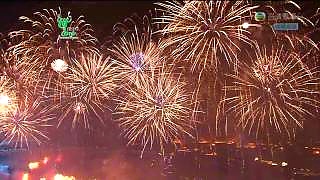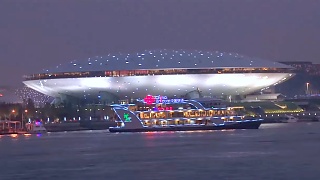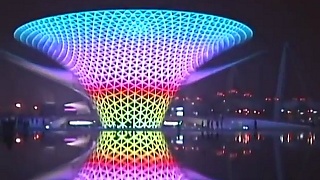
A visit to the ShangHai 上海 World Expo (3)

Including the China Pavilion ...


[640],shadow=true,start=50,stop=

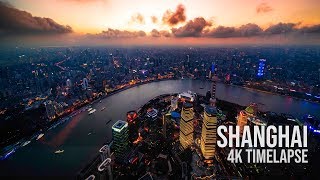
Shanghai is one of China's most dynamic and cosmopolitan cities, blending a rich history with modern skyscrapers and vibrant culture. Here's what you need to know as a tourist visiting Shanghai:

Historical and Cultural Landmarks:
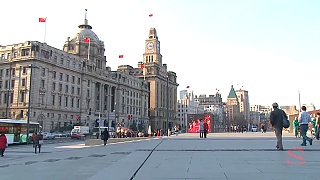
The Bund: This iconic waterfront promenade along the Huangpu River features colonial-era buildings on one side and futuristic skyscrapers on the other, offering stunning views of Shanghai's skyline.

Yu Garden: Dating back to the Ming dynasty, Yu Garden is a classical Chinese garden with pavilions, ponds, and rockeries. The nearby Yu Garden Bazaar is a great place to shop for souvenirs and traditional crafts.

Shanghai Museum: Home to an extensive collection of Chinese art and artifacts, including bronzes, ceramics, paintings, and calligraphy, the Shanghai Museum is a must-visit for history and art enthusiasts.

Jing'an Temple: One of Shanghai's most famous Buddhist temples, Jing'an Temple is known for its beautiful architecture, peaceful atmosphere, and towering golden Buddha statue.

Modern Attractions:
Shanghai Tower: Ascend to the observation deck of this iconic skyscraper, the tallest in China and the second-tallest in the world, for panoramic views of the city.

The Oriental Pearl TV Tower: Another iconic landmark, this futuristic tower offers observation decks, a glass-bottomed skywalk, and a revolving restaurant.

Shanghai Disneyland: Located in the Pudong district, Shanghai Disneyland offers a magical experience for visitors of all ages with its themed lands, attractions, and entertainment.

Shopping and Entertainment:
Nanjing Road: One of the world's busiest shopping streets, Nanjing Road is lined with department stores, boutiques, and restaurants. Don't miss the nearby pedestrian-friendly Nanjing Road East, known for its lively atmosphere and street performers.

Xintiandi: This upscale shopping, dining, and entertainment district features a mix of traditional Shikumen-style buildings and modern amenities, making it a popular destination for locals and tourists alike.

French Concession: Explore this historic neighborhood known for its tree-lined streets, charming cafes, boutiques, and art galleries.

Culinary Delights:
Shanghai Cuisine: Sample local specialties such as xiaolongbao (soup dumplings), shengjianbao (pan-fried dumplings), and Shanghai-style noodles.

Street Food: Wander through the city's bustling food markets and snack streets to taste a variety of street foods, from savory pancakes to grilled skewers.

Practical Tips:
Transportation: Shanghai has an efficient public transportation system, including the subway, buses, and taxis. Consider purchasing a rechargeable transportation card for convenience.

Language: While Mandarin is the official language, English is widely spoken in tourist areas, hotels, and restaurants.

Weather: Shanghai experiences four distinct seasons, with hot, humid summers and chilly winters. The best times to visit are spring (March to May) and autumn (September to November) when the weather is mild and comfortable.

Etiquette: Respect local customs and traditions, such as using polite language and avoiding loud behavior in public places.

Shanghai offers a captivating blend of old and new, with its historic landmarks, modern skyscrapers, vibrant culture, and delectable cuisine. Whether you're interested in history, architecture, shopping, or dining, Shanghai has something to offer every type of visitor.
Related Videos


Featured Videos

NanJing walking tour 2023
JiangSu province. With Walk East ...
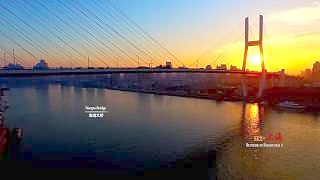
ShangHai 上海 Sunrise
Beautiful ...
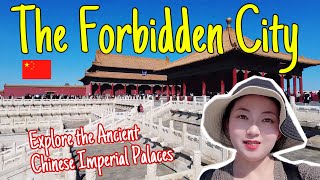
A guide to the magnificent Forbidden City (Palace Museum) in BeiJing
With Lulu's Daily In China ... Welcome to the Forbidden City Explore the imperial palace and ancient architecture of the Forbidden City in Beijing. Introduction The Forbidden City, also known as the Palace Museum, is a vast imperial palace complex in Beijing, China. It served as the home of emperors and their households, as well as the ceremonial and political center of the Chinese government for almost 500 years. Location The Forbidden City is located in the Dongcheng District in the heart of Beijing, directly north of Tiananmen Square. History The construction of the Forbidden City began in 1406 and was completed in 1420. It was the Chinese imperial palace from the Ming dynasty to the end of the Qing dynasty, housing 24 emperors. The complex covers 72 hectares (178 acres) and consists of 980 surviving buildings with 8,886 rooms. In 1925, the Forbidden City was transformed into the Palace Museum, showcasing extensive collections of artwork and artifacts from the imperial collections of the Ming and Qing dynasties. It was designated a UNESCO World Heritage Site in 1987. Attractions Meridian Gate (Wu Men): The main entrance to the Forbidden City, known for its grand architecture and historical significance. Hall of Supreme Harmony (Taihe Dian): The largest hall in the Forbidden City, used for major ceremonial occasions. Hall of Central Harmony (Zhonghe Dian): A smaller, intimate hall where the emperor prepared and rested before ceremonies. Hall of Preserving Harmony (Baohe Dian): Used for banquets and later for imperial examinations. Palace of Heavenly Purity (Qianqing Gong): The emperor's residence, representing his supreme authority. Hall of Union (Jiaotai Dian): A hall connecting the emperor's and empress's palaces, symbolizing their union. Palace of Earthly Tranquility (Kunning Gong): The residence of the empress and the site for imperial weddings. Imperial Garden: A serene garden area with ancient trees, rockeries, and pavilions, used by the imperial family for leisure. Clock and Watch Gallery: Displays a vast collection of timepieces from the imperial collection. Treasure Gallery: Houses valuable artifacts, including jade, gold, and other treasures from the imperial era. Activities Exploring historical buildings and courtyards Visiting museum exhibitions Photography Participating in guided tours Attending cultural performances and events Facilities Visitor Center Restrooms Gift Shops Cafes and Restaurants Parking Lots Audio Guide Rentals Guided Tour Services Visitor Tips Wear comfortable walking shoes. Bring water and snacks, especially if you plan to stay for several hours. Visit early in the morning or late in the afternoon to avoid crowds. Check the weather forecast and dress appropriately. Respect the cultural and historical significance of the site; behave appropriately and follow all rules and guidelines. Plan your visit to include the main attractions and leave time for exploring lesser-known areas.
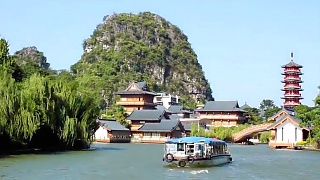
GuiLin 桂林, YangShuo  阳朔 and the Li River 漓江
GuangXi province
China and South-East Asia can rise together
With Angelo Giuliano and Brian Berletic / The New Atlas ... With Jeffrey Sachs ... Oliver Stone on JFK ... Glenn Greenwald talks with Vincent Bevins - the CIA, coups and dictatorships, 'anti-communism'. The threat of a good example - taking care of ALL the people - is a major motivation for a Western elite that desires to retain its extreme privilege ... Bonus film - with The Geopolitics In Conflict Show ... In China, the people are family. In The West, the people are livestock.
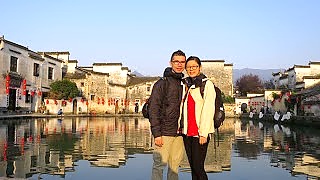
HongCun 宏村 and MuKeng Bamboo Forest 木坑竹海
Step back in time with Tim and Glo as they visit HóngCūn, in the historical HuiZhou region of southern AnHui province, near the south west slope of Mount HuangShan, plus the close-by MuKeng Bamboo Forest. The architecture and features of the approximately 150 residences that date from the Ming and Qing dynasties are among the best of their kind in China. One of the largest residences open to visitors, ChenZhi Hall, also contains a small museum. Together with nearby XiDi, the village is a UNESCO World Heritage Site. Scenes from the film 'Crouching Tiger, Hidden Dragon' were filmed on location here.
YunNan vegetable feast
With DianXi XiaoGe ...
Dance !
Dance - the second international language, after its sister : music. BeijingBuzzz is 9 (and a half - July 2017) ! So besides a little jelly, we thought we'd celebrate with a typically eclectic selection of 12 dance videos from our first 9 years ... Two left feet ? No matter; whatever your passion, remember that time flies - follow your dream; how often does the butterfly land in the palm of your hand ...? Keep warm this winter, but also be cool - and get off that sofa, or internet, now and then ... Live more ! (especially if you have noted that there are actually 13 videos ;) Happiness is not what you get, but what you give. Become a fountain of joy and share the love ...
A day at Tiger Leaping Gorge 虎跳峡
Tiger Leaping Gorge (虎跳峡 / HǔTiào Xiá) is a beautiful canyon on the JinSha River, a primary tributary of the upper YangTse River. It lies about 60 kilometers (38 miles) north of LiJiang in YunNan province, south west China and is part of the 'Three Parallel Rivers of Yunnan' UNESCO World Heritage Site. Tiger Leaping Gorge is around 15 kilometers (9 miles) in length and passes between Jade Dragon Snow Mountain and Haba Snow Mountain in a series of rapids below towering 2,000 meter (6,600 feet) cliffs. This film shows part of the lower trail and the spot where legend says a tiger jumped the rapids at their narrowest point (some 20 plus meters).

Tag search ?