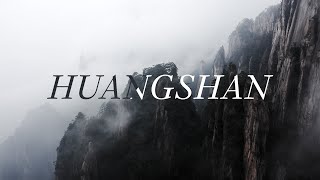
A trip to the sacred HuangShan Mountain 黃山, AnHui province
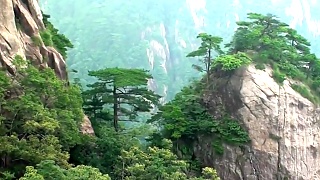
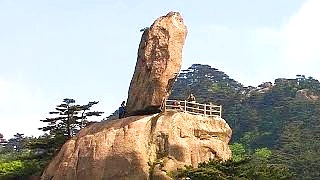
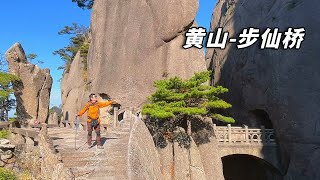
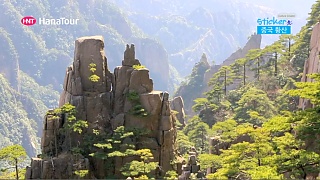
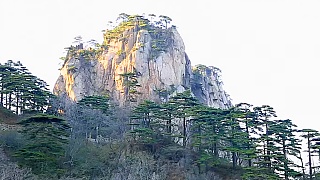
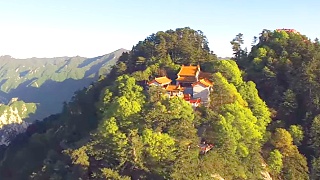
HuangShan is well known for its beautiful scenery, sunsets and sunrises, unusually shaped granite peaks, ancient pine trees, hot springs, winter snow, and views of the clouds from above. Some of the peaks rise more than 1,800 meters (6,000 feet). HuangShan is a frequent subject in traditional Chinese paintings and literature.

HuangShan is a UNESCO World Heritage Site, and one of China's most popular tourist destinations. The HuangShan area is also noted for Chinese teas of high quality.

In the first film, a group of photographers spend a week on the Yellow Mountain and show that patience and dedication pays off ...

[640],shadow=true,start=,stop=
[320],shadow=true,start=70,stop=
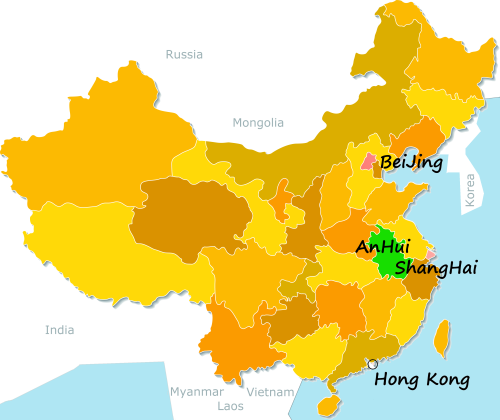
AnHui map

Related Videos


Featured Videos

On truth – part 2
Mind control is not only very real; it is everywhere. It is simply controlling what you 'know'. With MagnatesMedia ...
A day in ChengDu
SiChuan province ... Bonus films ...
A day in Xi’An, ShaanXi province (including the Terracotta Warriors)
With At Home Anywhere ...
2020 – looking back, looking forward, and the NOW …
An unusual video for the new year (it is not about China), but it relates to our by-line - 'live more'. The past can provide wisdom, the future goals to strive for, but don't lose focus on the here and now - it is the true reality so don't miss it. Wishing all the best in life to all our visitors. Do your best to make it happen, whatever your dreams, yet love and live each moment (it might not be one's ideal circumstance, but we can still make the most of it) ...
ZhangJiang Science City, PuDong, ShangHai
With MiaoMiao ... Zhangjiang Science City, located in the Pudong district of Shanghai, is a major hub for scientific innovation and research in China. Often referred to as the "Silicon Valley of China," Zhangjiang Science City has been a focal point for the development of high-tech industries, particularly in the fields of biotechnology, information technology, and advanced manufacturing. Key Features and Developments: Research and Development Hub: Zhangjiang Science City hosts numerous research institutions, universities, and corporate R&D centers. It's home to the Zhangjiang National Innovation Demonstration Zone, which plays a critical role in fostering technological innovation. The area is known for its strong focus on life sciences, with many pharmaceutical companies and biotech firms operating there, including multinational corporations like Roche and Novartis. Tech Startups and Incubators: The region has a thriving startup ecosystem, supported by various incubators and accelerators. This makes it an attractive destination for tech entrepreneurs and innovators. The Shanghai Zhangjiang Hi-Tech Park, within the science city, is one of China's most prominent technology parks, providing resources and infrastructure for startups. International Collaboration: Zhangjiang Science City emphasizes international collaboration, with numerous foreign enterprises establishing their R&D centers there. The area facilitates joint ventures and partnerships between Chinese and global companies. The establishment of free trade zones and favorable policies has further encouraged international investment and collaboration. Smart City Development: As part of the broader Shanghai initiative, Zhangjiang is being developed into a "smart city" with advanced infrastructure for communications, transport, and urban living. The integration of AI, big data, and IoT technologies into the city’s infrastructure is a key aspect of its development, making it a model for future urban areas. Education and Talent: The science city benefits from proximity to top-tier universities and research institutions, which supply a steady stream of talent in various scientific and engineering disciplines. Efforts are made to attract and retain international talent, offering competitive incentives and a conducive environment for innovation. Government Support: The Chinese government has prioritized Zhangjiang as a key area for the country’s strategic technology development. Policies are in place to support research, attract investment, and encourage innovation. Significant investments have been made in infrastructure, including transport links that connect Zhangjiang to other parts of Shanghai and beyond, enhancing its accessibility and appeal as a business location. Future Prospects: Zhangjiang Science City is poised to continue its growth as a global leader in science and technology. With ongoing investments and a focus on high-tech industries, it is expected to play a significant role in China's ambitions to become a world leader in innovation and technology by the mid-21st century. The combination of government support, international collaboration, and a strong innovation ecosystem makes Zhangjiang Science City a critical component of Shanghai's, and indeed China's, future development strategy.
Road trip idea from BeiJingBuzzz – DaLi, YunNan to Lhasa, Tibet / XiZang (2-4 weeks; two alternate routes)
Scenic Road Trip Routes from Dali to Lhasa Route Overview Traveling from Dali to Lhasa is an epic journey through some of China's most stunning landscapes. Here are two detailed scenic routes with notable stops along the way:   Route 1: Northern Route Day 1-2: Dali to Lijiang (Approx. 180 km) Route: Take the G214 National Road north from Dali to Lijiang. Highlights: Enjoy the scenic views along the way, including Erhai Lake and the ancient town of Lijiang. Day 3-4: Lijiang to Shangri-La (Zhongdian) (Approx. 180 km) Route: Continue on G214 National Road north to Shangri-La. Highlights: Visit Tiger Leaping Gorge and enjoy the views of the Jade Dragon Snow Mountain. Day 5: Shangri-La to Deqin (Approx. 180 km) Route: Stay on G214 National Road heading north to Deqin. Highlights: Explore Songzanlin Monastery in Shangri-La and enjoy the panoramic views of Meili Snow Mountain in Deqin. Day 6: Deqin to Markam (Approx. 220 km) Route: Take the G214 National Road, crossing into Tibet and continue to Markam. Highlights: Pass through the spectacular mountainous regions and along the Mekong River. Day 7: Markam to Zogang (Approx. 150 km) Route: From Markam, take the G318 National Road west towards Zogang. Highlights: Experience the dramatic high-altitude landscapes and valleys. Day 8: Zogang to Baxoi (Approx. 120 km) Route: Continue on the G318 National Road from Zogang to Baxoi. Highlights: Enjoy the rugged and scenic terrain along the way. Day 9: Baxoi to Ranwu (Approx. 160 km) Route: Stay on the G318 National Road heading west to Ranwu. Highlights: Pass by the beautiful Ranwu Lake, known for its clear waters and stunning reflections. Day 10: Ranwu to Bomi (Approx. 130 km) Route: Continue on G318 National Road from Ranwu to Bomi. Highlights: Drive through lush forests and alongside beautiful rivers. Day 11: Bomi to Nyingchi (Approx. 230 km) Route: Continue on G318 National Road from Bomi to Nyingchi. Highlights: Enjoy the lush scenery of Nyingchi, known for its forests and the Niyang River. Day 12-13: Nyingchi to Lhasa (Approx. 400 km) Route: Take the G318 National Road west from Nyingchi to Lhasa. Highlights: Pass through Mila Mountain and follow the Yarlung Tsangpo River Gorge. In Lhasa, explore the Potala Palace, Jokhang Temple, and Barkhor Street.   Route 2: Southern Route Day 1-2: Dali to Kunming (Approx. 340 km) Route: Take the G56 Hangrui Expressway east from Dali to Kunming. Highlights: Kunming, known as the "Spring City," offers attractions like the Stone Forest (Shilin), Dianchi Lake, and Green Lake Park. Day 3: Kunming to Panzhihua (Approx. 310 km) Route: Continue on the G56 Hangrui Expressway north to Panzhihua. Highlights: Panzhihua, a city built around the steel industry, provides access to scenic spots like the Jinsha River and nearby hot springs. Day 4: Panzhihua to Xichang (Approx. 260 km) Route: Take the G5 Beijing-Kunming Expressway north to Xichang. Highlights: Xichang is known for Qionghai Lake and the Luoji Mountain scenic area. It's also a gateway to the Liangshan Yi Autonomous Prefecture. Day 5: Xichang to Kangding (Approx. 380 km) Route: Continue on the G5 Beijing-Kunming Expressway, then take the G318 National Road west to Kangding. Highlights: Kangding is famous for its stunning mountain scenery, including Gongga Mountain (Minya Konka), and the beautiful Mugecuo Scenic Area. Day 6: Kangding to Litang (Approx. 280 km) Route: Take the G318 National Road west from Kangding to Litang. Highlights: Litang, one of the highest towns in the world at 4,014 meters, is known for its Tibetan culture and the Litang Monastery. Day 7: Litang to Batang (Approx. 160 km) Route: Continue on the G318 National Road west to Batang. Highlights: Batang is a charming Tibetan town with picturesque landscapes and rich cultural heritage. Day 8: Batang to Markam (Approx. 160 km) Route: Cross into Tibet and stay on the G318 National Road to Markam. Highlights: Scenic mountain vistas and the Mekong River valley. Day 9: Markam to Zogang (Approx. 150 km) Route: Continue on the G318 National Road from Markam to Zogang. Highlights: Stunning high-altitude terrain and valleys. Day 10: Zogang to Baxoi (Approx. 120 km) Route: Stay on the G318 National Road heading west to Baxoi. Highlights: Enjoy the rugged and scenic terrain along the way. Day 11: Baxoi to Ranwu (Approx. 160 km) Route: Continue on the G318 National Road from Baxoi to Ranwu. Highlights: Pass by the beautiful Ranwu Lake, known for its clear waters and stunning reflections. Day 12: Ranwu to Bomi (Approx. 130 km) Route: Continue on G318 National Road from Ranwu to Bomi. Highlights: Drive through lush forests and alongside beautiful rivers. Day 13: Bomi to Nyingchi (Approx. 230 km) Route: Continue on G318 National Road from Bomi to Nyingchi. Highlights: Enjoy the lush scenery of Nyingchi, known for its forests and the Niyang River. Day 14: Nyingchi to Lhasa (Approx. 400 km) Route: Take the G318 National Road west from Nyingchi to Lhasa. Highlights: Pass through Mila Mountain and follow the Yarlung Tsangpo River Gorge. In Lhasa, explore the Potala Palace, Jokhang Temple, and Barkhor Street.   Tips for the Journey Permits: Ensure you have the necessary permits to travel in Tibet. Foreign tourists need a Tibet Travel Permit. Vehicle: A sturdy 4x4 vehicle is recommended due to the rough terrain and high altitudes. Altitude Sickness: Be prepared for high altitudes. Acclimate gradually and consider medication for altitude sickness. Weather: Check the weather conditions, especially in winter, as some roads may be impassable. Supplies: Carry sufficient food, water, and emergency supplies, as some areas are remote with few facilities. These road trips offers a blend of cultural experiences, breathtaking landscapes, and a sense of adventure, making it one of the most scenic routes in China.  
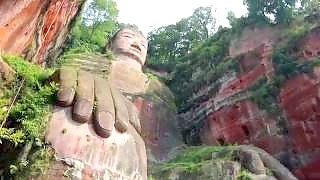
The LeShan Giant Buddha 乐山大佛
In SiChuan province. The Giant Buddha, which is around 70 meters in height, was carved from the cliff face during the Tang dynasty (618 - 907). It took 90 years to complete. At 3,100 meters (10,170 feet), the nearby Mount EMei is the highest of the four sacred Buddhist mountains in China and a UNESCO World Heritage site.
Planning for war with China
"This week we discuss the roll out of “AUKUS” and how it fits into long-standing plans to encircle and contain China as well as set the stage for what US war planners call a limited conflict with China aimed at destroying its economy, setting it and Asia back decades, and ensuring Western hegemony for years to come." With The New Atlas - Don't miss it ... Bonus film - with The Grayzone ... Bonus film - Myanmar : US-backed NUG opposition declares war on its own country ... Bonus film 2 - US CENCOM Admits Afghan "Revenge" Drone Strike Killed Only Civilians, Including 7 Children ... Bonus film 3 - On manufactured ignorance, with Chris Hedges, On Contact RT ...
MangShan mountain, National Forest Park, ChenZhou
HuNan province. With Walk East ...

Tag search ?