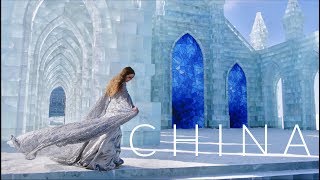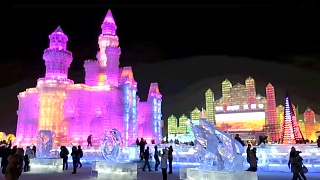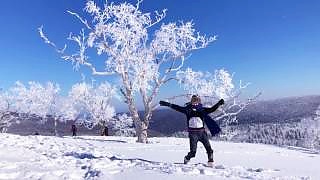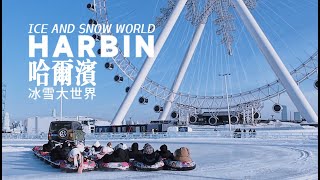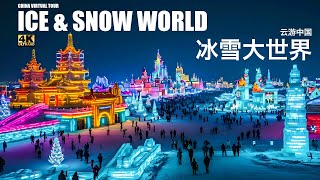
The Harbin 哈尔滨 Snow and Ice Festival opens January 3rd

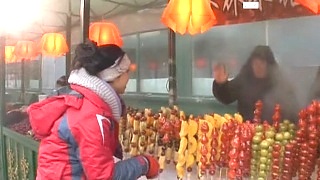
For over 30 years, the Harbin Snow and Ice World has wowed visitors from round the globe ...

[640],shadow=true,start=,stop=
[320],shadow=true,start=,stop= [320],shadow=true,start=,stop=

Harbin, located in the northeastern part of China's Heilongjiang province, is known for its bitterly cold winters, Russian-influenced architecture, and the world-famous Harbin International Ice and Snow Sculpture Festival. Here's a guide for tourists visiting Harbin:

Ice and Snow Sculpture Festival:
Harbin Ice and Snow World: This massive winter wonderland features elaborate ice and snow sculptures, illuminated by colorful lights. Visitors can marvel at ice castles, sculptures of famous landmarks, and intricate ice carvings.

Sun Island International Snow Sculpture Art Expo: Located on Sun Island in the Songhua River, this exhibition showcases large-scale snow sculptures created by artists from around the world.

Ice Lantern Festival: Held in Zhaolin Park, the Ice Lantern Festival features stunning ice lanterns, sculptures, and ice slides. Visitors can also enjoy cultural performances, fireworks, and traditional activities like ice fishing.

Russian Influence:
Central Avenue (Zhongyang Street): This pedestrian street is lined with European-style buildings dating back to the early 20th century, reflecting Harbin's history as a Russian trading outpost. Visitors can explore shops, cafes, and restaurants housed in these historic buildings.

St. Sophia Cathedral: This iconic landmark is one of the largest Orthodox churches in China. Built in the Russian Byzantine style, the cathedral now serves as a museum showcasing Harbin's multicultural history.

Cultural Attractions:
Harbin Confucian Temple: This ancient temple complex dates back to the Qing Dynasty and is dedicated to the philosopher Confucius. Visitors can explore traditional Chinese architecture, gardens, and historic artifacts.

Harbin Snow Sculpture Art Expo: Held in Sun Island Scenic Area during the winter months, this exhibition features intricate snow sculptures created by talented artists from around the world.

Modern Attractions:
Harbin Polarland: This theme park offers the opportunity to see a variety of Arctic animals up close, including polar bears, beluga whales, and Arctic foxes. Visitors can also enjoy animal performances and interactive exhibits.

Siberian Tiger Park: Located on the outskirts of Harbin, this wildlife park is home to over 500 Siberian tigers, as well as other exotic animals such as lions, leopards, and lynxes. Visitors can take guided tours and observe the animals from a safe distance.

Practical Tips:
Weather: Harbin experiences extremely cold winters, with temperatures often dropping below freezing. Visitors should dress warmly and be prepared for snow and icy conditions.

Transportation: Harbin has an extensive public transportation system, including buses and trams, as well as taxis and ride-hailing services. The city is also served by Harbin Taiping International Airport.

Language: Mandarin Chinese is the official language, but English may not be widely spoken outside of tourist areas. It's helpful to learn a few basic phrases or carry a translation app.

Harbin's unique blend of Russian and Chinese influences, coupled with its spectacular winter festivities, makes it a captivating destination for tourists. Whether you're marveling at ice sculptures, exploring historic landmarks, or experiencing the city's cultural heritage, Harbin offers a memorable and immersive travel experience.
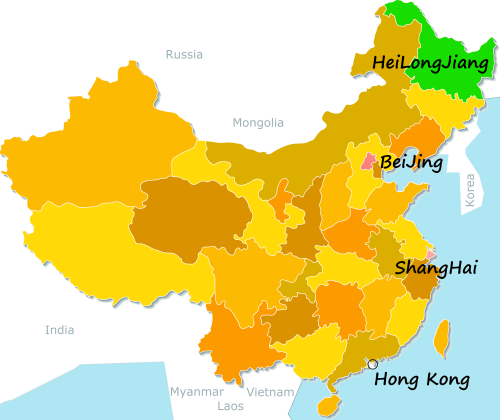
HeiLongJiang map

Related Videos


Featured Videos

MoChou Lake park, XuanWu Lake park and JiMing Temple, NanJing
JiangSu province. With China Walking Tour ... Bonus films - daytime and evening cycle tour ... Bonus film - with FunFancie - great attractions in NanJing ...
EnShi PingShan Grand Canyon, HuBei province
With Beijing Old Liu ... Welcome to Enshi Pingshan Grand Canyon Introduction Top Attractions Activities Local Culture Local Cuisine Visitor Tips Getting There Introduction Enshi Pingshan Grand Canyon, located in Enshi Tujia and Miao Autonomous Prefecture in HuBei Province, is a breathtaking natural wonder known for its dramatic karst landscapes, towering cliffs, deep gorges, and pristine rivers. Often referred to as "China's Grand Canyon," this stunning destination offers a unique combination of natural beauty and cultural richness, making it a must-visit location for nature lovers and adventurers alike. The canyon stretches for about 108 kilometers and is carved out by the Qingjiang River, creating a series of spectacular geological formations over millions of years. Enshi Pingshan Grand Canyon is a part of the Enshi National Geological Park and is recognized for its scenic beauty and ecological diversity. Top Attractions Pingshan Gorge The Pingshan Gorge is the centerpiece of the Enshi Pingshan Grand Canyon. It features sheer cliffs that rise dramatically from the Qingjiang River, creating a narrow gorge that is both awe-inspiring and serene. Visitors can take a boat ride through the gorge to fully appreciate its towering rock formations, clear waters, and lush vegetation. Qingjiang River The Qingjiang River, known as the "Mother River" of the Enshi region, winds its way through the canyon, offering stunning views of the surrounding karst landscape. The river is renowned for its emerald green waters, which contrast beautifully with the steep cliffs and dense forests along its banks. The river is perfect for leisurely boat trips or more adventurous white-water rafting. Yunlong Ground Crack One of the most unique geological features of the Enshi Pingshan Grand Canyon is the Yunlong Ground Crack. This deep fissure in the earth's surface is more than 3 kilometers long and varies in width, creating a dramatic and almost otherworldly landscape. Visitors can walk along the edge of the crack and peer into its depths, offering a thrilling experience for geology enthusiasts and adventure seekers. Qingjiang Ancient Town Qingjiang Ancient Town, located near the canyon, is a beautifully preserved historic town that offers a glimpse into the region’s rich cultural heritage. The town is home to traditional Tujia and Miao architecture, ancient temples, and vibrant markets. It’s an ideal place to experience the local culture and enjoy traditional performances, handicrafts, and cuisine. Activities Boat Rides: Explore the stunning Pingshan Gorge by taking a boat ride along the Qingjiang River. This serene journey allows you to fully appreciate the towering cliffs, emerald waters, and lush greenery that make this canyon so special. Hiking: The Enshi Pingshan Grand Canyon offers numerous hiking trails that wind through its rugged terrain. Whether you're looking for a challenging climb or a leisurely walk, there are trails for all levels, each offering breathtaking views of the canyon. Rafting: For the more adventurous, white-water rafting on the Qingjiang River is a thrilling way to experience the canyon’s natural beauty. The river's rapids vary in intensity, providing excitement for both beginners and seasoned rafters. Photography: With its dramatic landscapes, the Enshi Pingshan Grand Canyon is a paradise for photographers. The play of light and shadow on the cliffs, the reflection of the mountains in the river, and the vibrant colors of the vegetation make for stunning photographs. Local Culture The Enshi region is home to the Tujia and Miao ethnic minorities, both of which have rich cultural traditions that are still very much alive today. Visitors to the Enshi Pingshan Grand Canyon have the opportunity to experience these unique cultures firsthand. The Tujia people are known for their distinctive folk songs, dances, and Baishou Dance, a traditional group dance that is often performed during festivals. The Miao people, on the other hand, are famous for their intricate silver jewelry, colorful traditional costumes, and lively music. Local festivals, such as the Tujia New Year and the Miao Sisters' Meal Festival, offer a vibrant display of the region's cultural heritage, with traditional performances, parades, and feasts that are a delight to witness. Local Cuisine The cuisine of the Enshi region is heavily influenced by the Tujia and Miao ethnic groups, offering a unique blend of flavors and ingredients. Some must-try dishes include: Tujia Bacon: A local specialty, Tujia bacon is smoked over a wood fire, giving it a rich, smoky flavor. It's often served with vegetables or used as a flavoring in soups and stews. Sanxia Fish: Freshwater fish from the Qingjiang River, prepared in a variety of ways, including grilling, steaming, and stewing. The fish is known for its tender meat and delicate flavor. Enshi Green Tea: The Enshi region is famous for its green tea, which is grown in the mountains surrounding the canyon. The tea is known for its bright color, fresh aroma, and mellow taste. Maize Dishes: Corn is a staple in the local diet, and many dishes feature maize as a primary ingredient. Maize pancakes, steamed corn buns, and corn porridge are all popular dishes in the area. Pickled Vegetables: A variety of pickled vegetables are served as side dishes or snacks, providing a tangy and refreshing contrast to the richer flavors of the main dishes. Visitor Tips Best Time to Visit: The best time to visit Enshi Pingshan Grand Canyon is from April to October, when the weather is mild, and the landscape is at its most beautiful. Spring and autumn are particularly recommended for their pleasant temperatures and stunning natural scenery. Altitude: The canyon is situated at a moderate altitude, so visitors should be prepared for slightly thinner air, especially during strenuous activities. It's advisable to take it easy on the first day to acclimate. Clothing: Comfortable walking shoes and layered clothing are recommended, as temperatures can vary throughout the day. Be prepared for rain, especially in the summer months, by bringing a waterproof jacket or poncho. Safety: Always stay on designated paths and follow the guidance of local guides, especially when exploring the more rugged areas of the canyon. The terrain can be challenging, and it's important to be cautious. Respect Local Customs: When visiting the Qingjiang Ancient Town or interacting with local communities, be respectful of local customs and traditions. Always ask for permission before taking photos of people or cultural sites. Getting There The Enshi Pingshan Grand Canyon is located in Enshi Tujia and Miao Autonomous Prefecture in HuBei Province. Here are some transportation options: By Air: The nearest airport is Enshi Xujiaping Airport, which has flights to major cities such as Beijing, Shanghai, and Chengdu. From the airport, you can take a taxi or bus to reach the canyon. By Train: Enshi is well-connected by train, with regular services from major cities like Wuhan, Chongqing, and Yichang. From Enshi Railway Station, you can take a bus or taxi to the canyon. By Bus: Long-distance buses operate from nearby cities to Enshi, and local buses or taxis can take you to the canyon from the city center. By Car: If you prefer to drive, Enshi is accessible via highways from major cities in HuBei and the surrounding provinces. The scenic drive offers beautiful views of the countryside and mountains.
The French Concession area of ShangHai 上海
A great film of life in the backstreets of old ShangHai ...
National Day, October 1st 2022, ShangHai walk
Custom tailoring in GuangZhou
Bonus film - new outfit for 200 yuan ...
World War 3 – now just a matter of when, as US pushes on with utter madness ?
Kim Iverson talks with retired army colonel Richard Black ... Puppet clowns getting people to boo and cheer, like a kids panto. Not enough adults in the room yet. YT comment (wtf_usa5597) : Calling our current "leaders" shameless liars is an insult to shameless liars.
50 places to visit in KunMing
KunMing: 20 Kid-Friendly Places to Visit Kunming Zoo (昆明动物园 Kūnmíng Dòngwùyuán): Zoo with a variety of animals, shows, and educational programs. Dianchi Lake (滇池 Diānchí): Scenic lake with parks, boat rides, and recreational activities. Yunnan Nationalities Village (云南民族村 Yúnnán Mínzú Cūn): Cultural theme park with ethnic minority exhibits, performances, and crafts. Green Lake Park (翠湖 Cuìhú): Park with gardens, pavilions, and scenic views. Yunnan Museum of Minority Nationalities (云南民族博物馆 Yúnnán Mínzú Bówùguǎn): Museum with exhibits on Yunnan's ethnic minorities, cultures, and traditions. Yunnan Railway Museum (云南铁路博物馆 Yúnnán Tiělù Bówùguǎn): Museum with exhibits on Yunnan's railway history, technology, and artifacts. Yuantong Temple (圆通寺 Yuántōng Sì): Buddhist temple with historic buildings, gardens, and statues. Yunnan Wild Animal Park (云南野生动物园 Yúnnán Yěshēng Dòngwùyuán): Safari park with a variety of animals, shows, and interactive experiences. Haigeng Park (海埂公园 Hǎigěng Gōngyuán): Park with lakes, gardens, and scenic spots. Kunming Botanical Garden (昆明植物园 Kūnmíng Zhíwùyuán): Botanical garden with diverse plant collections, greenhouses, and walking trails. Kunming World Horticulture Expo Garden (昆明世博园 Kūnmíng Shìbóyuán): Garden with themed areas, pavilions, and horticultural displays. Western Hills Forest Reserve (西山森林公园 Xīshān Sēnlín Gōngyuán): Nature reserve with hiking trails, temples, and panoramic views of Kunming. Kunming Grand View Park (昆明大观楼 Kūnmíng Dàguān Lóu): Park with traditional Chinese architecture, gardens, and viewpoints. Yunnan Nationalities Museum (云南省民族博物馆 Yúnnán Shěng Mínzú Bówùguǎn): Museum with exhibits on Yunnan's ethnic minorities, history, and cultures. Kunming Stone Forest Geological Park (昆明石林风景区 Kūnmíng Shílín Fēngjǐngqū): UNESCO World Heritage Site with unique limestone formations, caves, and trails. Golden Temple Park (金殿公园 Jīndiàn Gōngyuán): Park with a Taoist temple, gardens, and scenic landscapes. Yunnan Military Academy Museum (云南陆军讲武堂博物馆 Yúnnán Lùjūn Jiǎngwǔtáng Bówùguǎn): Museum with exhibits on Yunnan's military history, uniforms, and weapons. Kunming Daguan Park (昆明大观公园 Kūnmíng Dàguān Gōngyuán): Park with lakes, pavilions, and traditional Chinese architecture. Yunnan Nationalities University (云南民族大学 Yúnnán Mínzú Dàxué): University campus with architectural features, gardens, and cultural events. Kunming Zoo (昆明动物园 Kūnmíng Dòngwùyuán): Zoo with a variety of animals, shows, and educational programs. KunMing: 30 More Places to Visit Yunnan Provincial Museum (云南省博物馆 Yúnnán Shěng Bówùguǎn): Museum with exhibits on Yunnan's history, culture, and artifacts. Yuantong Mountain (圆通山 Yuántōng Shān): Scenic mountain with temples, pagodas, and hiking trails. Kunming Golden Temple (昆明金殿 Kūnmíng Jīndiàn): Taoist temple with a golden pavilion, gardens, and cultural exhibits. Yunnan Railway Museum (云南铁路博物馆 Yúnnán Tiělù Bówùguǎn): Museum with exhibits on Yunnan's railway history, technology, and artifacts. Kunming Western Hills Forest Reserve (昆明西山森林公园 Kūnmíng Xīshān Sēnlín Gōngyuán): Nature reserve with temples, hiking trails, and panoramic views of Kunming. Kunming Flowers and Birds Market (昆明花鸟市场 Kūnmíng Huāniǎo Shìchǎng): Market with flowers, birds, pets, and gardening supplies. Green Lake Park (翠湖 Cuìhú): Park with gardens, pavilions, and scenic views. Dianchi Lake (滇池 Diānchí): Scenic lake with parks, boat rides, and recreational activities. Kunming World Horticulture Expo Garden (昆明世博园 Kūnmíng Shìbóyuán): Garden with themed areas, pavilions, and horticultural displays. Stone Forest (石林 Shílín): UNESCO World Heritage Site with unique limestone formations, caves, and hiking trails. Yunnan University (云南大学 Yúnnán Dàxué): University campus with historic buildings, gardens, and cultural events. Kunming Dragon Gate (西山龙门 Xīshān Lóngmén): Taoist temple complex with sculptures, caves, and panoramic views. Green Lake Park (翠湖 Cuìhú): Park with gardens, pavilions, and scenic views. Kunming Cuihu Park (昆明翠湖公园 Kūnmíng Cuìhú Gōngyuán): Park with a lake, pavilions, and walking paths. Kunming Confucius Temple (昆明文庙 Kūnmíng Wénmiào): Confucian temple with historic architecture, gardens, and cultural events. Yuantong Temple (圆通寺 Yuántōng Sì): Buddhist temple with historic buildings, gardens, and statues. Kunming Grand View Park (昆明大观楼 Kūnmíng Dàguān Lóu): Park with traditional Chinese architecture, gardens, and viewpoints. Kunming Flowers and Birds Market (昆明花鸟市场 Kūnmíng Huāniǎo Shìchǎng): Market with flowers, birds, pets, and gardening supplies. Yunnan Museum (云南省博物馆 Yúnnán Shěng Bówùguǎn): Museum with exhibits on Yunnan's history, culture, and artifacts. Kunming Western Hills Forest Reserve (昆明西山森林公园 Kūnmíng Xīshān Sēnlín Gōngyuán): Nature reserve with temples, hiking trails, and panoramic views of Kunming. Kunming Dragon Gate (西山龙门 Xīshān Lóngmén): Taoist temple complex with sculptures, caves, and panoramic views. Green Lake Park (翠湖 Cuìhú): Park with gardens, pavilions, and scenic views. Dianchi Lake (滇池 Diānchí): Scenic lake with parks, boat rides, and recreational activities. Yunnan Nationalities Village (云南民族村 Yúnnán Mínzú Cūn): Cultural theme park with ethnic minority exhibits, performances, and crafts. Yunnan Provincial Museum (云南省博物馆 Yúnnán Shěng Bówùguǎn): Museum with exhibits on Yunnan's history, culture, and artifacts. Kunming Golden Temple (昆明金殿 Kūnmíng Jīndiàn): Taoist temple with a golden pavilion, gardens, and cultural exhibits. Yunnan Nationalities University (云南民族大学 Yúnnán Mínzú Dàxué): University campus with architectural features, gardens, and cultural events. Kunming Cuihu Park (昆明翠湖公园 Kūnmíng Cuìhú Gōngyuán): Park with a lake, pavilions, and walking paths. Kunming Confucius Temple (昆明文庙 Kūnmíng Wénmiào): Confucian temple with historic architecture, gardens, and cultural events. Stone Forest (石林 Shílín): UNESCO World Heritage Site with unique limestone formations, caves, and hiking trails.
WuJiang village, GuiZhou
Traditional potato feast
With DianXi XiaoGe ...

Tag search ?