Exploring ShaanXi 陕西 – Xi’An, HuaShan and the Yellow River

With Jean Holy Smithereens ...

[640],shadow=true,start=,stop=

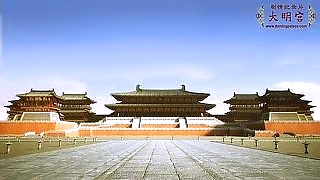
Xi'an, located in the heart of Shaanxi Province in northwest China, is one of the oldest cities in China and served as the capital for numerous dynasties, including the Qin, Han, and Tang. Renowned for its rich history, cultural heritage, and iconic landmarks, Xi'an is a must-visit destination for tourists. Here's a guide for tourists visiting Xi'an:

Historical and Cultural Significance:
Ancient Capital: Xi'an served as the capital of China for over 13 dynasties and played a crucial role in shaping Chinese history and civilization. It was the starting point of the ancient Silk Road, facilitating trade and cultural exchange between China and the West.

Terracotta Army: One of Xi'an's most famous attractions is the Terracotta Army, a vast collection of life-sized terracotta sculptures depicting the armies of Qin Shi Huang, the first Emperor of China. Discovered in 1974, the Terracotta Army is a UNESCO World Heritage site and a symbol of China's rich cultural heritage.

Top Attractions:
Terracotta Army Museum: Located about 30 kilometers east of Xi'an, the Terracotta Army Museum is home to thousands of intricately crafted terracotta warriors, horses, and chariots. Visitors can explore the excavation pits, marvel at the craftsmanship, and learn about the history of the Qin Dynasty.

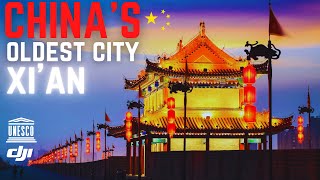
Ancient City Wall: Xi'an is renowned for its well-preserved ancient city wall, which dates back to the Ming Dynasty. Stretching over 13 kilometers in length, the wall offers panoramic views of the city and is a popular spot for walking, cycling, and sightseeing.

Muslim Quarter: Explore the vibrant Muslim Quarter, located near the Drum Tower and Great Mosque of Xi'an. This bustling neighborhood is known for its lively street markets, traditional Islamic architecture, and delicious street food, including lamb skewers, roujiamo (Chinese hamburger), and hand-pulled noodles.

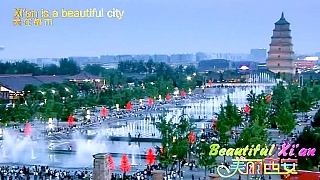
Big Wild Goose Pagoda: Built during the Tang Dynasty, the Big Wild Goose Pagoda is a prominent Buddhist landmark in Xi'an. Visitors can climb the pagoda for panoramic views of the city or explore the surrounding temple complex and gardens.

Shaanxi History Museum: Discover the rich history and culture of Shaanxi Province at the Shaanxi History Museum. The museum houses a vast collection of artifacts, including ancient pottery, bronze ware, jade, and Tang Dynasty murals, providing insights into the region's heritage.

Practical Tips:
Transportation: Getting around Xi'an is convenient with its extensive public transportation system, including buses, taxis, and the Xi'an Metro. Bicycle rentals are also available for exploring the city at a leisurely pace.

Weather: Xi'an has a continental climate with hot summers and cold winters. The best time to visit is during spring (April to May) and autumn (September to October) when the weather is pleasant and comfortable.

Language: Mandarin Chinese is the official language spoken in Xi'an, although English may not be widely spoken, especially in more remote areas. It's helpful to learn some basic phrases or carry a phrasebook or translation app.

Currency: The currency used in China is the Chinese Yuan (CNY). Credit cards are accepted at most hotels, restaurants, and shops in urban areas, but it's advisable to carry cash for small purchases and transactions.

Xi'an offers a fascinating blend of ancient history, cultural heritage, and modern urban life, making it an enchanting destination for tourists seeking to explore the wonders of ancient China. Whether marveling at the Terracotta Army, walking along the ancient city wall, or sampling delicious street food in the Muslim Quarter, Xi'an has something to offer for every traveler.
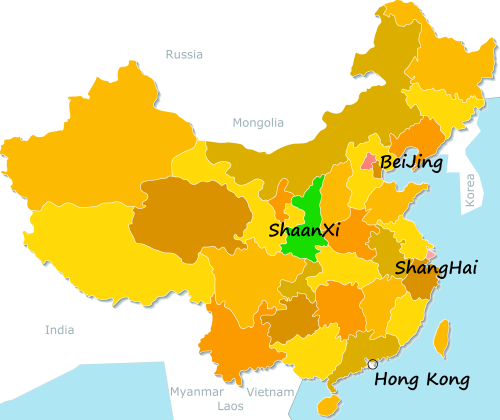
ShaanXi map

Related Videos


Featured Videos

A trip to the beautiful HuangShan 黄山 mountain
With rugged peaks soaring to over 1,800 meters, ancient pines and a myriad of breath-taking walkways, it is easy to see why HuangShan is perhaps the best known mountain area in China and famous in Chinese art and poetry. Filmed in July 2011, AnHui province.
ChongQing 重庆 Aerial, 2019
Fat Fiction – the tragedy of the fat is bad lie (carb.s are the addictive evil)
Though some are bad - the highly processed 'healthy' polyunsaturate oils; much better to avoid these completely and use butter / ghee, extra virgin olive oil and coconut oil. How we arrived at the obesity and diabetes epidemic ...
Tibet (XiZang) 西藏 scenes …
Filmed in May 2011.
ChangSha night walk, HuNan province
With Walk East ...
Spring Festival lights, evening walk in ShangHai
With Wei's Travel ...
Best ancient towns in China
Old / Ancient Towns in China Lijiang Old Town 丽江古城 (Lìjiāng Gǔchéng): Step back in time in the ancient town of Lijiang, a UNESCO World Heritage Site known for its well-preserved architecture, cobblestone streets, and picturesque canals. Lijiang Old Town is home to traditional Naxi culture and features historic landmarks such as the Mu Palace, the Black Dragon Pool, and the Wangu Tower. Visitors can wander through the maze-like streets, admire the intricate wooden buildings, and experience the vibrant local culture. Fenghuang Ancient Town 凤凰古城 (Fènghuáng Gǔchéng): Discover the charm of Fenghuang Ancient Town, nestled along the banks of the Tuo River in Hunan Province. Fenghuang is known for its well-preserved Ming and Qing dynasty architecture, ancient bridges, and vibrant cultural scene. Visitors can stroll along the cobblestone streets, explore historic temples and ancestral halls, and admire the traditional Miao ethnic minority culture. Pingyao Ancient Town 平遥古城 (Píngyáo Gǔchéng): Explore the ancient walled city of Pingyao, one of China's best-preserved ancient towns and a UNESCO World Heritage Site. Pingyao Ancient Town dates back over 2,700 years and is known for its well-preserved city walls, historic courtyards, and ancient temples. Visitors can walk along the fortified walls, explore the narrow alleyways, and learn about the town's rich history and cultural heritage. Zhujiajiao Ancient Town 朱家角古镇 (Zhūjiājiǎo Gǔzhèn): Experience the charm of Zhujiajiao Ancient Town, located on the outskirts of Shanghai. Zhujiajiao is known for its scenic canals, stone bridges, and well-preserved Ming and Qing dynasty architecture. Visitors can take a boat ride along the canals, explore historic landmarks such as the Fangsheng Bridge and the Kezhi Garden, and sample local delicacies at traditional teahouses and restaurants. Xitang Ancient Town 西塘古镇 (Xītáng Gǔzhèn): Discover the beauty of Xitang Ancient Town, a water town known for its tranquil canals, ancient bridges, and traditional architecture. Xitang has been featured in numerous films and is renowned for its picturesque scenery and romantic atmosphere. Visitors can stroll along the cobblestone streets, explore historic residences and temples, and take a boat ride along the scenic waterways. Wuzhen Ancient Town 乌镇古镇 (Wūzhèn Gǔzhèn): Step back in time in the ancient water town of Wuzhen, known for its well-preserved Qing dynasty architecture, scenic canals, and traditional way of life. Wuzhen is divided into two main districts: the East Scenic Area, which features historic residences and workshops, and the West Scenic Area, which offers a glimpse into rural life along the waterways. Visitors can explore ancient temples, watch traditional performances, and sample local specialties such as Wuzhen rice wine and shadow puppetry. Shaxi Ancient Town 沙溪古镇 (Shāxī Gǔzhèn): Explore the historic town of Shaxi, located along the ancient Tea Horse Road in Yunnan Province. Shaxi is known for its well-preserved Bai ethnic minority architecture, traditional cobblestone streets, and ancient market square. Visitors can wander through the town's labyrinth of alleyways, visit the historic Xingjiao Temple, and hike to the nearby Shibao Mountain to see its intricate Buddhist carvings. Zhaoxing Dong Village 肇兴侗寨 (Zhàoxīng Dòngzhài): Experience the unique culture of the Dong ethnic minority in Zhaoxing Dong Village, located in Guizhou Province. Zhaoxing is known for its traditional wooden houses, ancient wind and rain bridges, and terraced rice paddies. Visitors can explore the village's cobblestone streets, visit the Drum Tower and the Wind and Rain Bridge, and attend traditional Dong festivals and performances. Jinli Ancient Street 锦里古街 (Jǐnlǐ Gǔjiē): Immerse yourself in the lively atmosphere of Jinli Ancient Street, a historic street in Chengdu known for its traditional architecture, bustling markets, and vibrant street food scene. Jinli Street dates back over 2,000 years and has been restored to its former glory, with ancient-style buildings housing teahouses, shops, and snack stalls. Visitors can sample local delicacies such as Sichuan hotpot, stinky tofu, and spicy skewers, shop for souvenirs and handicrafts, and enjoy traditional performances such as Sichuan opera and shadow puppetry. Pingle Ancient Town 平乐古镇 (Pínglè Gǔzhèn): Discover the charm of Pingle Ancient Town, located in Sichuan Province and known for its well-preserved Tang and Song dynasty architecture, ancient streets, and historic landmarks. Pingle is nestled in the picturesque foothills of the Qingcheng Mountains and is surrounded by lush forests, bamboo groves, and tea plantations. Visitors can explore the town's ancient streets, visit historic temples and ancestral halls, and enjoy panoramic views of the surrounding countryside from the Qingcheng Mountains.
Hiking Tiger Leaping Gorge-ous 虎跳峡, YunNan province
Join Tim and Glo at the world's deepest river gorge. Count on two days for this hike, with a stay at a half-way guest house (book ahead). Tiger Leaping Gorge, HǔTiào Xiá, lies about 100 kilometers (62 miles) north-west of LiJiang and is also 'near' Jade Dragon Snow Mountain (YuLong XueShan) and ShangRi-La (XiangGeLiLa; real name : Zuong DiAn). Wonderful, beautiful place, awesome video ...
ChuanSha Old Town, ShangHai
With Wei's Travel ...

Tag search ?