 An introduction to the Chinese language for visitors
With HowToChinese and Fluenz ...
[640],shadow=true,start=31,stop=Related Videos








Featured Videos
|
|
"Seven small arches" ...
|

|
GuangDong Province Tour, China
This itinerary covers a diverse range of experiences in GuangDong Province, including exploring the vibrant cities of GuangZhou and ShenZhen, discovering the cultural heritage of the Pearl River Delta region, and relaxing on the beaches and islands along the coast.
Week 1: GuangZhou
Explore the historic sites of Guangzhou, including Yuexiu Park, the Chen Clan Ancestral Hall, and the Sun Yat-sen Memorial Hall.
Indulge in Cantonese cuisine at local restaurants and street food stalls, sampling dishes like dim sum, roast goose, and clay pot rice.
Shop for souvenirs and local specialties at markets like Shangxiajiu Pedestrian Street and Qingping Market.
Week 2: ShenZhen
Discover the modern cityscape of Shenzhen, including landmarks like the Ping An Finance Centre and the Window of the World theme park.
Explore cultural attractions such as the Dafen Oil Painting Village and the Shenzhen Museum.
Experience Shenzhen's diverse culinary scene, with influences from all over China and the world.
Week 3: Pearl River Delta Region
Visit historic towns like Foshan, known for its traditional martial arts and ceramics.
Explore the waterways of the Pearl River Delta, taking boat tours or cruises to see traditional villages and scenic landscapes.
Sample local delicacies like Cantonese-style seafood and traditional snacks in the region's markets and eateries.
Week 4: Coastal Cities and Islands
Relax on the beaches of Zhuhai and enjoy water sports or leisurely walks along the coast.
Take a day trip to the nearby islands of Hainan or Hong Kong for additional beach experiences and cultural exploration.
Explore the maritime history and architecture of cities like Zhanjiang and Jiangmen.
|
|
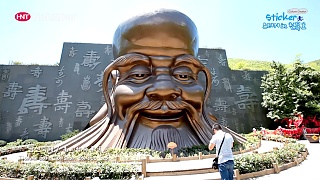
Including TianMu Lake 天目湖 ...
|
|
|
Too many things to cover, but one is the attempt to portray China as 'hiding something' and that according to 'reports' (never cited, but no doubt intel fronts) things are 'really bad' ('trust us' - lol).
This is a good example of where 'news' is not really news at all, but the attempt to instigate uprising by pedaling false information. In one of its latest salvos, it notes one young death of a celebrity and then adds some more, all of which were over 80. One could explain why this is so absurd, but it is obvious.
That is one reason why BB recommends Chinese people to not travel to, study in, or invest in, the UK (a small US puppet island off the west coast of Europe).
Still want to go to the UK ? Remember that if you get stabbed (common), you could be waiting over 24 hours for an ambulance, spend many more hours lying in it before being off-loaded onto a trolley in a hospital corridor, before maybe being treated (if still alive). That's how it is there; just so you know. See the BBC ; ) No wonder they need to try and divert one's attention with smoke and mirrors (lies) ...
So, which country really has the health crisis ???
|
|
|
Overview
ShenZhen (深圳) is a modern metropolis located in Guangdong Province, bordering Hong Kong. It's renowned as a major tech hub and a gateway to China's manufacturing industry. The city's skyline is dominated by sleek skyscrapers, reflecting its status as a global innovation center.
Top Attractions
Splendid China Folk Village (锦绣中华民俗村) - Jǐnxiù Zhōnghuá Mínsú Cūn
Window of the World (世界之窗) - Shìjiè Zhī Chuāng
Dameisha Beach (大梅沙海滨公园) - Dàméishā Hǎibīn Gōngyuán
Lianhua Mountain Park (莲花山公园) - Liánhuā Shān Gōngyuán
Shenzhen Museum (深圳博物馆) - Shēnzhèn Bówùguǎn
Dafen Oil Painting Village (大芬油画村) - Dàfēn Yóuhuà Cūn
Nanshan Cultural Tourist Zone (南山文化旅游区) - Nánshān Wénhuà Lǚyóu Qū
Shenzhen Bay Park (深圳湾公园) - Shēnzhèn Wān Gōngyuán
Shenzhen Safari Park (深圳野生动物园) - Shēnzhèn Yěshēng Dòngwùyuán
Tech and Innovation
Huaqiangbei Electronics Market (华强北电子市场) - Huáqiángběi Diànzǐ Shìchǎng
Shenzhen Bay Tech Ecological Park (深圳湾科技生态园) - Shēnzhèn Wān Kējì Shēngtài Yuán
Tencent Seafront Towers (腾讯滨海大厦) - Téngxùn Bīnhǎi Dàshà
DJI Flagship Store (大疆旗舰店) - Dàjiāng Qíjiàn Diàn
Shopping and Dining
Coco Park and OCT-LOFT (coco park 和 华侨城创意文化园区) - Huáqiáo Chéng Chuàngyì Wénhuà Yuánqū
Dongmen Pedestrian Street (东门步行街) - Dōngmén Bùxíng Jiē
OCT-LOFT Creative Culture Park (华侨城创意文化园区) - Huáqiáo Chéng Chuàngyì Wénhuà Yuánqū
Laojie (Old Street) in Luohu (罗湖老街) - Luóhú Lǎojiē
Nightlife and Entertainment
Shekou Sea World (蛇口海上世界) - Shékǒu Hǎishàng Shìjiè
Futian and Luohu Districts (福田和罗湖区) - Fútián hé Luóhú Qū
Coco Park and OCT Bay (coco park 和 华侨城创意文化园区) - Huáqiáo Chéng Chuàngyì Wénhuà Yuánqū
Shenzhen Concert Hall (深圳音乐厅) - Shēnzhèn Yīnyuètīng
Practical Tips
Transportation: Utilize Shenzhen's efficient metro system and ride-hailing apps.
Language: Learn basic Mandarin phrases for easier communication.
Safety: Be cautious of pickpocketing in crowded areas.
Visa: Check China's visa policy based on your nationality.
Currency: Use local currency (Renminbi) for transactions.
Weather: Pack accordingly for Shenzhen's subtropical climate.
Hidden Gems
Wutong Mountain (梧桐山) - Wútóng Shān
Dapeng Ancient City (大鹏古城) - Dàpéng Gǔchéng
Guangdong Hakka Museum (广东客家博物馆) - Guǎngdōng Kèjiā Bówùguǎn
Additional Dining Recommendations
Dim Sum: Experience authentic Cantonese dim sum.
Seafood: Indulge in fresh seafood in Shekou.
Street Food: Explore Dongmen Food Street for local snacks.
By exploring these attractions, dining spots, and practical tips, you'll have a comprehensive guide to experiencing Shenzhen's rich blend of culture, technology, and natural beauty.
|
|
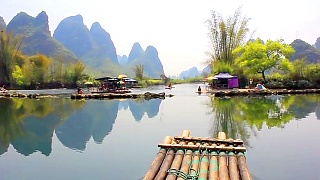
Beautiful scenery; GuangXi province.
A delightful two hour trip from ChaoYang Pier to GongNong Bridge ...
|
|
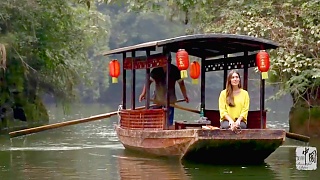
A charming micro movie that takes you to some of the many beautiful places in SiChuan province ...
|
|
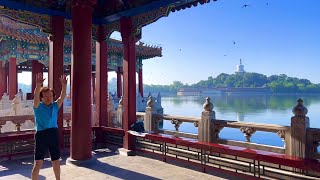
With Beijing Walking ...
|