A guide to Yan’An 延安, ShaanXi province

Explore Yan'An with CCTV's Travelogue ...


[640],shadow=true,start=,stop=
[320],shadow=true,start=,stop=

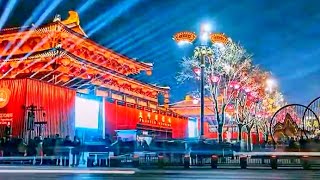
Xi'an, located in the heart of Shaanxi Province in northwest China, is one of the oldest cities in China and served as the capital for numerous dynasties, including the Qin, Han, and Tang. Renowned for its rich history, cultural heritage, and iconic landmarks, Xi'an is a must-visit destination for tourists. Here's a guide for tourists visiting Xi'an:

Historical and Cultural Significance:
Ancient Capital: Xi'an served as the capital of China for over 13 dynasties and played a crucial role in shaping Chinese history and civilization. It was the starting point of the ancient Silk Road, facilitating trade and cultural exchange between China and the West.

Terracotta Army: One of Xi'an's most famous attractions is the Terracotta Army, a vast collection of life-sized terracotta sculptures depicting the armies of Qin Shi Huang, the first Emperor of China. Discovered in 1974, the Terracotta Army is a UNESCO World Heritage site and a symbol of China's rich cultural heritage.

Top Attractions:
Terracotta Army Museum: Located about 30 kilometers east of Xi'an, the Terracotta Army Museum is home to thousands of intricately crafted terracotta warriors, horses, and chariots. Visitors can explore the excavation pits, marvel at the craftsmanship, and learn about the history of the Qin Dynasty.

Ancient City Wall: Xi'an is renowned for its well-preserved ancient city wall, which dates back to the Ming Dynasty. Stretching over 13 kilometers in length, the wall offers panoramic views of the city and is a popular spot for walking, cycling, and sightseeing.

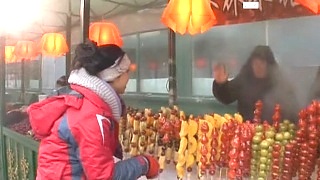
Muslim Quarter: Explore the vibrant Muslim Quarter, located near the Drum Tower and Great Mosque of Xi'an. This bustling neighborhood is known for its lively street markets, traditional Islamic architecture, and delicious street food, including lamb skewers, roujiamo (Chinese hamburger), and hand-pulled noodles.

Big Wild Goose Pagoda: Built during the Tang Dynasty, the Big Wild Goose Pagoda is a prominent Buddhist landmark in Xi'an. Visitors can climb the pagoda for panoramic views of the city or explore the surrounding temple complex and gardens.

Shaanxi History Museum: Discover the rich history and culture of Shaanxi Province at the Shaanxi History Museum. The museum houses a vast collection of artifacts, including ancient pottery, bronze ware, jade, and Tang Dynasty murals, providing insights into the region's heritage.

Practical Tips:
Transportation: Getting around Xi'an is convenient with its extensive public transportation system, including buses, taxis, and the Xi'an Metro. Bicycle rentals are also available for exploring the city at a leisurely pace.

Weather: Xi'an has a continental climate with hot summers and cold winters. The best time to visit is during spring (April to May) and autumn (September to October) when the weather is pleasant and comfortable.

Language: Mandarin Chinese is the official language spoken in Xi'an, although English may not be widely spoken, especially in more remote areas. It's helpful to learn some basic phrases or carry a phrasebook or translation app.

Currency: The currency used in China is the Chinese Yuan (CNY). Credit cards are accepted at most hotels, restaurants, and shops in urban areas, but it's advisable to carry cash for small purchases and transactions.

Xi'an offers a fascinating blend of ancient history, cultural heritage, and modern urban life, making it an enchanting destination for tourists seeking to explore the wonders of ancient China. Whether marveling at the Terracotta Army, walking along the ancient city wall, or sampling delicious street food in the Muslim Quarter, Xi'an has something to offer for every traveler.
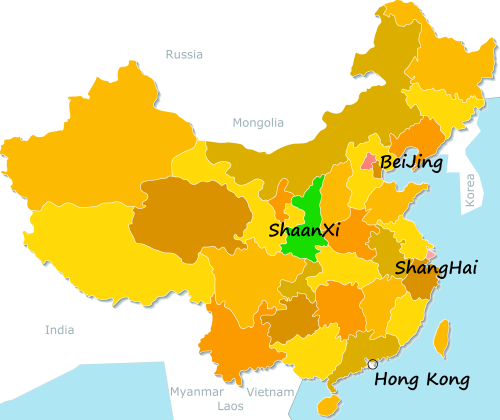
ShaanXi map

Related Videos


Featured Videos

The extraordinary Emei Shan, SiChuan province
With This Is SiChuan ... Mount Emei Visitor Guide: Natural Beauty & Practical Travel Tips Mount Emei (Emei Shan), located in Sichuan Province, is one of China's Four Sacred Buddhist Mountains and a UNESCO World Heritage Site. With its mist-shrouded peaks, ancient temples, rich biodiversity, and cultural significance, it is a popular pilgrimage site and a destination for nature lovers and history enthusiasts. This guide will help you explore Mount Emei’s natural beauty while providing practical travel advice for a seamless visit. Golden Summit (Jinding) Overview: The Golden Summit is the highest point on Mount Emei, offering spectacular views, including the famous "Sea of Clouds." At an elevation of 3,077 meters, the summit is a spiritual hub for Buddhists, with the massive statue of Samantabhadra Bodhisattva serving as a highlight for visitors. Key Highlights: Golden Buddha Statue: The 48-meter tall statue of Samantabhadra Bodhisattva with ten faces is a stunning work of art, representing the mount's spiritual significance. Sea of Clouds: On clear mornings, you can witness the mesmerizing "Sea of Clouds" phenomenon, where the clouds form a dense layer beneath the summit. Sunrise & Sunset: Watching the sunrise or sunset from the Golden Summit is a breathtaking experience, as the sky turns vibrant shades of orange and pink. Travel Tip: Be prepared for the altitude by wearing warm clothing, especially in the early morning or evening. It’s recommended to take the cable car from Leidongping to save energy, but hikers can also make the journey on foot. Baoguo Temple Area Overview: Baoguo Temple is the starting point for most visitors to Mount Emei. Located at the base of the mountain, this area is home to one of the most important temples and serves as a hub for those preparing to explore the mountain. Key Highlights: Baoguo Temple: Built during the Ming Dynasty, this temple is dedicated to the worship of various Buddhist deities. It is an excellent place to start learning about the religious history of Mount Emei. Emei Buddhist Cultural Museum: Located within the temple grounds, this museum provides insight into the history of Buddhism in the region, along with relics and artwork. Travel Tip: Baoguo Temple is a peaceful place to begin your ascent. The surrounding area has plenty of accommodation options for all budgets, making it a convenient base for longer stays. Wannian Temple (Ten-Thousand-Year Temple) Overview: One of the oldest and most significant temples on Mount Emei, Wannian Temple dates back over 1,600 years. The temple is perched on the mountainside and offers great views as well as a peaceful environment for meditation and reflection. Key Highlights: Bronze Statue of Samantabhadra Bodhisattva: The temple houses a famous bronze statue of Samantabhadra riding an elephant, which is a major draw for pilgrims. Surrounding Trails: The area around Wannian Temple is filled with scenic trails that offer opportunities to explore the mountain’s flora and fauna. Travel Tip: Visitors can either hike to Wannian Temple or take the cable car from Wuxiangang Parking Lot. The trails offer stunning views but can be steep, so bring appropriate footwear. Qingyin Pavilion Overview: Qingyin Pavilion is a tranquil spot located halfway up Mount Emei, offering a place for rest and meditation. Surrounded by lush forests, clear streams, and waterfalls, it is an ideal location to experience the natural beauty and serene atmosphere of the mountain. Key Highlights: Scenic Bridges: The twin bridges crossing the crystal-clear waters are perfect for photos, and the sound of the running stream adds to the pavilion’s peaceful ambiance. Washing Elephant Pool: Located nearby, this sacred pool is associated with Buddhist mythology and is a quiet spot for reflection. Travel Tip: This is an ideal resting spot for those hiking up the mountain. There are small tea houses nearby where you can relax and enjoy the scenery. Consider visiting early in the morning to avoid crowds. Monkeys of Mount Emei Overview: The Tibetan macaques are a famous and sometimes mischievous presence on Mount Emei. These monkeys roam freely across the mountain and are often found near tourist areas. While they can be entertaining to watch, visitors should take care as the monkeys may attempt to snatch food or belongings. Key Highlights: Monkey Eco-Zone: Located along the main hiking trail, this area is where the monkeys are most active. Visitors can observe them up close but should avoid direct interaction. Travel Tip: Keep your belongings secure and do not feed the monkeys, as they can become aggressive. Stick to designated paths and follow the advice of local guides or staff to stay safe. Practical Travel Information for Mount Emei When to Visit The best time to visit Mount Emei is from April to October, when the weather is mild, and the views are clear. Spring (April-May) offers blooming flowers, while autumn (September-October) provides colorful foliage. Winter visits are also possible, especially for those interested in snow-covered landscapes, but be prepared for cold conditions at higher altitudes. Getting to Mount Emei By Air: The closest airport is Chengdu Shuangliu International Airport, located about 150 kilometers away. From Chengdu, visitors can take a train or bus to Emeishan City. By Train: The high-speed train from Chengdu to Emeishan Station takes about 1.5 hours. From the station, visitors can take a local bus or taxi to the Baoguo Temple area, the starting point for exploring Mount Emei. By Bus: Regular buses run from Chengdu’s Xinnanmen Bus Station to Emeishan City, with a journey time of approximately 2 hours. Accommodation Visitors can stay in Emeishan City or in the Baoguo Temple area, which has a variety of accommodations, including hotels, guesthouses, and hostels. For those wishing to stay on the mountain itself, there are guesthouses and monasteries offering simple lodging for a more immersive experience. Booking in advance is recommended during peak seasons. Cultural Sensitivity As Mount Emei is a sacred Buddhist site, visitors should show respect when visiting temples and monasteries. Modest clothing is recommended, and it’s important to be mindful of local customs, especially when interacting with monks or pilgrims. Refrain from taking photos in sacred spaces unless permission is explicitly granted. Food and Dining Sichuan cuisine is renowned for its bold, spicy flavors. In Emeishan, you can find local dishes such as hotpot, mapo tofu, and various noodle dishes. For a unique experience, try the vegetarian meals offered at the mountain's temples, which are simple yet flavorful and often include locally sourced ingredients. Important Note: Always carry your passport and tickets when visiting the mountain, especially for entrance to the different scenic areas and cable cars. Suggested Itinerary for Exploring Mount Emei Day 1: Arrive in Emeishan City, visit Baoguo Temple, and relax in the hot springs nearby. Day 2: Hike or take the cable car to the Golden Summit for sunrise. Explore the summit area before descending to Wannian Temple. Day 3: Spend the day exploring Qingyin Pavilion and the Monkey Eco-Zone. Enjoy a tea break at a mountain tea house before returning to Emeishan City.
Vocal music covers
吉岛少儿合唱团翻唱周深《亲爱的旅人啊》 阿卡贝拉版《好想爱这个世界啊》By 醒耳人声乐团(华晨宇 Cover) Tears in the sand 哭砂 吉他弹唱 - MiuMiu, aged 4 you are my bitterest waiting, making me long for and fear the future you used to say you are a dust, that would sometimes get into my eyes playfully. rather leaving me cry, than letting me love you, you disappeared in the wind just like a dust. you are my most painful choice, why won't you stop wandering alone the sea to you are inseparable, you always brought a pocketful of sand to me. at last coming to see me, but then leaving me again the sand dripping out of my hands like flowing tears the sand brought by the wind, settles in my sorrowful eyes, anyone could tell i'm waiting for you. the sand brought by the wind, piles in my mind, is an impression no one could erase the sand brought by the wind, passes thru all memories, everyone knows i miss you. the sand brought by the wind, weeps in gloom, was our separation destined?
Chinese food made with the lotus
它出淤泥而不染,濯清漣而不妖,一池荷花,一桌菜 | 野小妹
JingDeZhen 景德镇 : Why porcelain is commonly known as China
JingDeZhen, in JiangXi province, is known as the Porcelain Capital' because it has been producing pottery for over 1,700 years. JingDeZhen is close to the best quality deposits of petuntse, or porcelain stone, in China, as well as being surrounded by forests, mostly of pine, providing wood for the kilns. It also has river connections flowing both north and south, facilitating transport of the fragile wares. Its best-known high quality porcelain wares have been QingBai in the Song and Yuan dynasties, blue and white porcelain from the 1330s, and the 'famille rose# (and other 'famille' colors) during the Qing dynasty.
Tibetan Life During the Dalai Lama’s reign
With Daniel Dumbrill ... With Li JingJing ...
Wonderful WuZhen 乌镇
This beautiful water town, often referred to as 'the Venice of the East', lies in the ancient Kingdom of Wu, between ShangHai, SuZhou and HangZhou, in ZheJiang province, east China.
An aerial view of ShenZhen 深圳 city at night
HongCun 宏村 and MuKeng Bamboo Forest 木坑竹海
Step back in time with Tim and Glo as they visit HóngCūn, in the historical HuiZhou region of southern AnHui province, near the south west slope of Mount HuangShan, plus the close-by MuKeng Bamboo Forest. The architecture and features of the approximately 150 residences that date from the Ming and Qing dynasties are among the best of their kind in China. One of the largest residences open to visitors, ChenZhi Hall, also contains a small museum. Together with nearby XiDi, the village is a UNESCO World Heritage Site. Scenes from the film 'Crouching Tiger, Hidden Dragon' were filmed on location here.
A quick guide to ShangHai
With ZW-Travel ...

Tag search ?