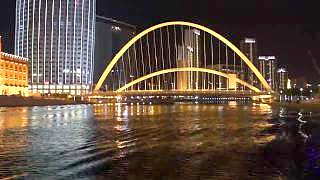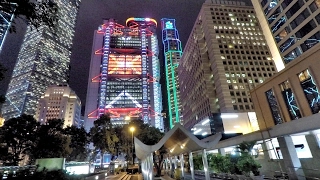
YongQingFang, GuangZhou, night walk

With China Walking Tour ...

[640],shadow=true,start=,stop=

Guangzhou, formerly known as Canton, is a dynamic metropolis located in southern China, serving as the capital of Guangdong Province. As one of China's oldest and largest cities, Guangzhou boasts a rich history, vibrant culture, and modern urban amenities. Here's a guide for tourists visiting Guangzhou:

Historical and Cultural Significance:
Historic Trading Hub: Guangzhou has a long history as a major trading port and commercial center, dating back over 2,000 years. It played a crucial role in the ancient Maritime Silk Road, facilitating trade and cultural exchange between China and other parts of the world.

Cultural Diversity: As a melting pot of cultures, Guangzhou has a diverse population, influenced by various ethnic groups and foreign traders throughout history. This cultural diversity is reflected in the city's cuisine, architecture, and traditions.

Top Attractions:
Canton Tower: As one of the tallest structures in China, the Canton Tower is an iconic landmark and a symbol of Guangzhou's modernity. Visitors can ascend the tower for panoramic views of the cityscape, dine in rotating restaurants, and experience thrilling attractions like the Sky Drop and Bubble Tram.

Yuexiu Park: This expansive park in the heart of Guangzhou is home to several attractions, including the iconic Five-Ram Statue, Zhenhai Tower, and the Guangzhou Museum. Visitors can stroll through lush gardens, admire ancient artifacts, and enjoy recreational activities like boating and tai chi.

Chen Clan Academy: Built during the Qing Dynasty, the Chen Clan Ancestral Hall (also known as the Chen Clan Academy) is a masterpiece of Lingnan architecture. It houses a vast collection of traditional art, wood carvings, and ancestral tablets, offering insights into the region's cultural heritage.

Shamian Island: Located along the Pearl River, Shamian Island is a tranquil oasis with tree-lined streets, colonial-era buildings, and charming cafes. Visitors can wander through the island's historic neighborhoods, admire European-style architecture, and relax by the waterfront.

Guangzhou Opera House: Designed by renowned architect Zaha Hadid, the Guangzhou Opera House is a striking architectural masterpiece that hosts world-class performances and cultural events. Visitors can attend opera, ballet, concerts, and other artistic performances in a stunning modern setting.

Culinary Delights:
Cantonese Cuisine: Guangzhou is famous for its delicious Cantonese cuisine, characterized by fresh seafood, dim sum, roast meats, and flavorful stir-fries. Visitors can sample authentic dishes at local restaurants, street food stalls, and traditional teahouses throughout the city.

Qingping Market: Explore Qingping Market, one of Guangzhou's oldest and largest markets, to experience the vibrant atmosphere and diverse array of local specialties. From exotic fruits and spices to live seafood and herbal remedies, the market offers a sensory feast for visitors.

Practical Tips:
Transportation: Getting around Guangzhou is convenient with its extensive public transportation system, including buses, taxis, and the Guangzhou Metro. The city's efficient transportation network makes it easy to navigate between attractions and neighborhoods.

Language: Mandarin Chinese is the official language spoken in Guangzhou, although Cantonese is also widely spoken by locals. English may not be widely understood, especially in more remote areas, so it's helpful to carry a phrasebook or translation app.

Weather: Guangzhou has a subtropical climate with hot, humid summers and mild winters. The best time to visit is during the cooler months from October to March when the weather is more comfortable for outdoor activities.

Currency: The currency used in China is the Chinese Yuan (CNY). Credit cards are widely accepted at hotels, restaurants, and shops in urban areas, but it's advisable to carry cash for small purchases and transactions.

Guangzhou offers a fascinating blend of ancient history, modernity, and cultural diversity, making it an enchanting destination for tourists seeking to explore the treasures of southern China. Whether marveling at iconic landmarks, savoring Cantonese cuisine, or immersing oneself in the city's vibrant culture, Guangzhou has something to offer for every traveler.


Related Videos


Featured Videos

Beautiful ShanDong 山东 province
ShānDōng lies on the coast in east China, roughly halfway between BeiJing and ShangHai. Provincial capital : JiNan. Also includes the city of QuFu, the birthplace of Confucius. Other well-known cities include QingDao, ZaoZhuang, YanTai, WeiFang, JiNing, LinYi and DeZhou. Among others, ShanDong is known for TaiShan sacred mountain, a large number of natural springs that arise from the mountains to the west (ShanDong means 'East of the Mountains), DaMing Lake formed from the spring waters, LaoShan Scenic Area, Thousand Buddha Mountain, LingYan Temple - one of the 4 most famous temples (四大名刹) from the Tang dynasty, PengLai Pavilion, wine-making and its distinctive cuisine, partly centered on seafood.
Chinese dumplings ! Recipes and techniques
Two films; sweet rice dumplings further down. Chicken and cilantro, pan fried ... Chicken and cilantro dumplings(makes 60 dumplings) ingredients: dough: all purpose flour or dumpling flour 400g a little bit more than 2.5 cups salt:1g 1/4 teaspoon room temperature water : 240g a little bit less than a cup fillings: cilantro:150g chicken thigh:500g regular soy sauce:16g 1 tablespoon ginger paste:3g 1/2 teaspoon egg white :1 white pepper powder :1g 1/4 teaspoon five-spice powder:1g 1/4 teaspoon 2 green onions chopped salt:4g 1/2 teaspoon sesame oil :4g 1 teaspoon for frying : oil 12g 1 tablespoon water 60g 1/4 cup杯 cook for 5-6 minutes Sweet rice dumplings fillings: roasted black sesame seeds: 80g pecans or other nuts 30g sugar:80g 1/4 cup and 1 tablespoon melted unsalted butter: 60g 1/4 cup water:30g 2 tablespoons wrap: glutinous rice flour:250g 2 cups boiling water:140 g 1/2 cup and 1 tablespoon room temperature water:70g 1/4 cup and 2 teaspoons to boil the sweet dumplings: boiling water 800g 3 cups and 1/4 cup arrowroot starch or lotus root starch or corn starch 22 g 2 tablespoons water 125g 1/2 cup fermented sweet rice:1/3 cup sweetened osmanthus sauce :2 tablespoons Bonus film : soup dumplings ...
The Stone Village of the NaXi people, YunNan province
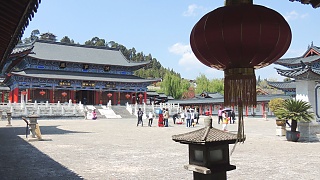
With China Road Tales ... The Stone Village of the NaXi people, located in YunNan Province, China, is a remarkable destination that offers a unique glimpse into the traditional lifestyle, culture, and architecture of the NaXi ethnic minority. Here’s a detailed look at this fascinating village: ### Location and Overview - **Location**: The Stone Village, also known as ShiZhiShu Village, is situated in the YuLong Naxi Autonomous County in the northwestern part of Yunnan Province, near the town of Lijiang. - **Geography**: Nestled in the foothills of the Jade Dragon Snow Mountain (YuLong XueShan), the village is surrounded by stunning natural beauty, including rugged mountains, lush forests, and clear streams. ### NaXi Culture and Heritage - **Ethnic Group**: The NaXi people are one of China’s 56 recognized ethnic groups, with a rich cultural heritage that blends elements of Han Chinese, Tibetan, and other neighboring cultures. - **Language**: The NaXi language, belonging to the Sino-Tibetan language family, is still spoken by many villagers. The NaXi also have a unique pictographic script called Dongba, used primarily for religious texts. - **Matriarchal Society**: Historically, the NaXi society was matrilineal, with property and family names passed down through the female line. ### Architecture - **Stone Houses**: The village is renowned for its traditional stone houses, built using local materials such as stone, wood, and mud. These houses are designed to blend harmoniously with the natural environment and are known for their durability and unique aesthetic. - **Courtyards**: Many homes are built around central courtyards, which serve as communal spaces for family activities and social gatherings. - **Wooden Carvings**: Intricate wooden carvings and decorations adorn the houses, showcasing the NaXi’s craftsmanship and artistic traditions. ### Traditional Lifestyles - **Agriculture**: The NaXi people in the Stone Village primarily engage in agriculture, cultivating crops such as barley, wheat, and vegetables. They also raise livestock, including pigs, chickens, and yaks. - **Traditional Dress**: The NaXi have distinctive traditional clothing, often featuring bright colors and intricate embroidery. Women’s attire includes long gowns with wide belts and colorful headscarves, while men typically wear tunics and trousers. - **Festivals and Rituals**: The NaXi people celebrate various traditional festivals, such as the Torch Festival and the Sanduo Festival, which are marked by music, dance, and religious ceremonies. ### Dongba Religion - **Animism and Shamanism**: The NaXi practice Dongba religion, an animistic belief system that involves worshiping nature spirits and ancestors. Dongba priests, who are also scholars, play a central role in religious rituals and the preservation of cultural heritage. - **Dongba Texts**: These religious texts are written in the unique Dongba script, a pictographic writing system that dates back over a thousand years. ### Tourism and Preservation - **Cultural Tourism**: The Stone Village has become a popular destination for tourists seeking to experience the traditional lifestyle and culture of the NaXi people. Visitors can explore the village, interact with locals, and learn about their customs and traditions. - **Preservation Efforts**: There are ongoing efforts to preserve the unique architecture and cultural heritage of the Stone Village. Local and regional governments, along with cultural organizations, are working to protect the village from modern development and ensure the continuation of NaXi traditions. ### Nearby Attractions - **Lijiang Ancient Town**: A UNESCO World Heritage Site, Lijiang is known for its well-preserved ancient architecture and vibrant NaXi culture. It is a short drive from the Stone Village and offers additional cultural experiences. - **Jade Dragon Snow Mountain**: This majestic mountain range provides opportunities for hiking, skiing, and enjoying spectacular natural scenery. ### Conclusion The Stone Village of the NaXi people in Yunnan Province is a captivating destination that offers an authentic glimpse into the traditional life and culture of one of China’s most unique ethnic groups. With its distinctive stone architecture, rich cultural heritage, and stunning natural surroundings, the Stone Village provides a memorable and enriching experience for all who visit.
A trip to XiaMen 厦门
XiaMen is a beautiful coastal city in FuJian province, south east China ...
How to use AliPay mobile payments for longer visits
It is still possible to get by with cash from ATMs, but for longer visits it can be a good idea to set up AliPay (or WeChat). Getting started with Alipay involves creating an account and setting up your payment methods. Here is a step-by-step guide: ### Setting Up Alipay: 1. **Download the Alipay App:** - Go to your device's app store (Google Play Store for Android or Apple App Store for iOS). - Search for "Alipay" and download the official app developed by Ant Group. 2. **Install and Open the App:** - Install the Alipay app on your device. - Open the app once the installation is complete. 3. **Language Selection:** - Choose your preferred language for the app. 4. **Create an Account:** - Tap on "Sign Up" or "Register." - Choose your country or region and enter your mobile phone number. - Create a strong password for your Alipay account. 5. **Verify Your Identity:** - Alipay may require you to verify your identity. This could involve receiving a verification code via SMS. 6. **Add a Payment Method:** - Link your bank card or credit card to your Alipay account. - Go to "Me" (bottom right corner) > "Wallet" > "Add Card." 7. **Add Funds to Your Alipay Account:** - You may need to add funds to your Alipay account. You can link your bank account for direct transfers or use a linked card for payments. 8. **Set Up Security Features:** - Enable security features such as fingerprint or facial recognition to enhance account security. - Set a payment password for additional security. ### Using Alipay: 1. **Making Payments:** - To make a payment, tap on "Scan" and scan the QR code of the recipient. - Enter the amount and add a note if necessary. - Confirm the payment with your password or biometric authentication. 2. **Receiving Payments:** - To receive money, the payer can scan your Alipay QR code. - Confirm the payment on your Alipay app. 3. **Exploring Additional Features:** - Alipay offers various features beyond payments, such as bill payments, transportation services, and investments. Explore the app to discover these options. 4. **Managing Your Account:** - Regularly check your transaction history and account settings. - Customize your profile and settings under the "Me" section. 5. **Security Tips:** - Be cautious of phishing attempts. Always use the official app and avoid clicking on suspicious links. - Regularly update your password and enable two-factor authentication for added security. Remember that Alipay's features and interface may evolve, so it's a good idea to check for updates within the app or refer to Alipay's official website for the latest information.
A ‘spiritual’ trip to GuiLin 桂林, GuangXi province
Evening walk in ZhuJiaJiao water town, near ShangHai
With Wei's Travel ... Bonus film - ShangHai summer night walk ...
YunNan 云南 province – a beautiful slideshow
Over an hour of beautiful photographs taken throughout YunNan province ... Plus wonderfully relaxing music :)
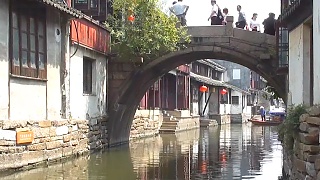
ZhouZhuang 周庄 water town
JiangSu province. Near SuZhou; not far from Shanghai. Along the HangZhou to Beijing ancient Grand Canal (still the world's longest, by far).

Tag search ?