Explore the 'Venice of the East' with CCTV's Travelogue ...
[640],shadow=true,start=,stop=
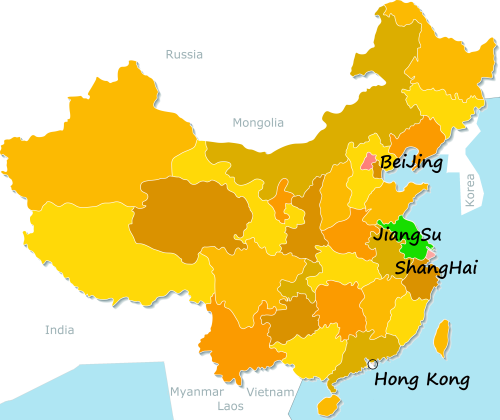
JiangSu map
Live more ...
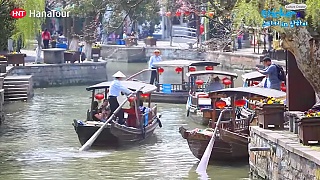
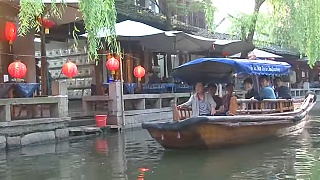
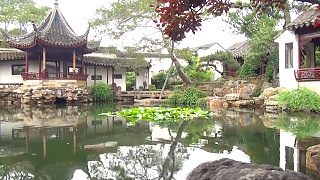
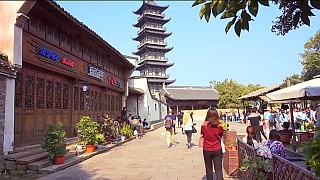
 The waterways of SuZhou 苏州, JiangSu province
Explore the 'Venice of the East' with CCTV's Travelogue ...

|
Studying in HaiKou 海口, the capital of the island province.
|
|
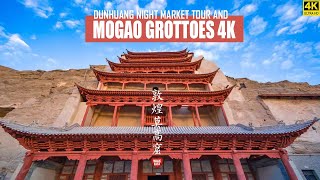
GanSu's UNESCO World Heritage Site ...
|
|
Bonus film - 'DIY Wedding Photos', in LiJiang 丽江, a micro movie 浪漫的旅拍婚紗影像 ...
|
|
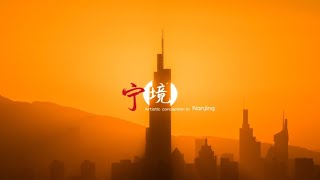
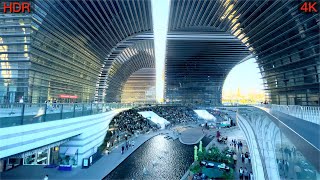
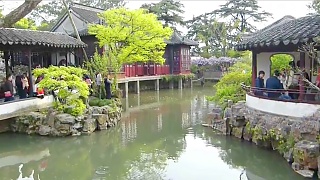
JiangSu province.
|
|
With Walk East ...
|

|
August 1st 2022.
With The New Atlas - Brian Berletic and Angelo Giuliano ...
Orsis Rutherford
The problem with the US is that 90% of the population could not find Taiwan or The Ukraine on a map. I went to China in 2015 and I discovered an amazing country with a blend of tradition and modernity. People looked happy and I felt safe.
AloofMicrobe
"Be humble. Admit you know nothing about China. Start from zero and start building up a real understanding." Probably the best advice I've had my entire life - and I'm 63 years old! Thank you so much, both of you. Love and peace, from London.
ashley mistletoe
As a Taiwaneses, I can vouch for everything you said about Taiwan, history, politics.. very surprised that you nailed so much details. To add a few more facts: 1. Right now in Taiwan it's a hostage situation: people don't want to go to war with China but this government is doing america bidding and for us it's just disgusting, hateful yet there's nothing much we can do... 2. This government brainwashes the less informed population, controls media and public opinions with a massive cyber force that's silencing and suppressing opposition. It's despicable that they have the shame to brag about democracy. 3. NO ONE IN TAIWAN WANTS A WAR, not even the heavily propagandized, except the very few brainwashed extremists. Those in power such as Ms. Tsai never mind bleeding our blood but trust me they will be the first to fly away the moment smell of war approaches. 4. I've heard over and over again that parents told their kids to surrender when the war breaks out. I remember vividly one of them said, "Who are we fighting for? Tsai Yinwen?" followed with an angry sneer. THIS GOVERNMENT IS A DISGRACE.
Nancy Barra
Brian, you represent the best of young Americans. Your critical thinking and analytical skills are amazing and I hope people like you can lead the United States to a new era in the future. In the meantime you are helping a lot of people to think beyond what mass media is proyecting. Angelo Giluino is also a great thinker and analyst.
Gav Munro
As a Brit in China I agree with Angelo 100% about the sense of humility that we should have. I was someone who questioned why things were the way they were in China, thankfully the more I tried to understand China the quicker I grew out of it.
There's a much said phrase here that 'When I landed in China I could write a book about it, after 10 years I could write a leaflet on it, after 15 years I can barely write half a page about it'. That's the reality.
China is an enigma, it's not to be 'advised' but to be respected and studied. It's brought it's poorest into a middle class at a rate of knots. The west is vilifying China not to China's determent but to their own.
They could learn so much from China's rise. Their elites choose not to tell the people the real story.
That's the real tragedy.
Bonus film - with Richard Wolff ...
Bonus film - with Garland Nixon ...
|
|

|
GuiLin Attractions
Guilin Seven Star Park (七星公园) - Qīxīng Gōngyuán
Description: Guilin Seven Star Park is one of the city's most popular attractions, offering a blend of natural scenery, cultural landmarks, and family-friendly activities. Named after its seven karst peaks resembling the pattern of the Big Dipper constellation, the park features lush greenery, limestone caves, and scenic spots that attract visitors of all ages.
Attractions and Activities:
Li River (漓江) - Lí Jiāng: Take a scenic cruise or bamboo rafting trip along the Li River to admire Guilin's breathtaking karst landscapes, limestone peaks, and picturesque villages.
Xianggong Mountain (相公山) - Xiānggōng Shān: Hike to the top of Xianggong Mountain for stunning panoramic views of the Li River winding through the karst mountains. This popular photography spot offers spectacular sunrise and sunset vistas.
Diecai Hill (叠彩山) - Diécǎi Shān: Explore Diecai Hill's scenic parkland, pavilions, and caves adorned with colorful rock formations. The hill offers hiking trails, viewpoints, and opportunities for cultural exploration amidst Guilin's natural beauty.
Gudong Waterfall (孤洞瀑布) - Gūdòng Pùbù: Trek through lush forests to discover Gudong Waterfall, a serene natural attraction surrounded by verdant foliage. Visitors can swim in the refreshing pools beneath the cascading falls and enjoy picnics in the tranquil setting.
Yangshuo County (阳朔县) - Yángshuò Xiàn: Explore the charming countryside of Yangshuo County, known for its idyllic scenery, rural villages, and outdoor recreational activities. Popular attractions include Moon Hill, Yulong River, and picturesque cycling routes.
Seven-Star Tea Plantation (七星茶山) - Qīxīng Chá Shān: Visit a local tea plantation to learn about traditional tea cultivation and production techniques. Enjoy guided tours, tea tastings, and scenic views of terraced fields amidst Guilin's karst landscapes.
Yaoshan Mountain (尧山) - Yáoshān: Ascend Yaoshan Mountain for panoramic views of Guilin and the surrounding countryside. The mountain offers hiking trails, cable car rides, and opportunities to explore temples, pagodas, and historic sites.
Jingjiang Prince City (靖江王城) - Jìngjiāng Wáng Chéng: Discover the history and culture of Guilin at Jingjiang Prince City, a historic site featuring ancient city walls, gates, temples, and gardens. Learn about the city's role in China's feudal past and enjoy scenic strolls amidst well-preserved architectural treasures.
Guilin Two Rivers and Four Lakes (桂林两江四湖) - Guìlín Liǎng Jiāng Sì Hú: Take a leisurely boat cruise on Guilin's Two Rivers and Four Lakes, connecting the Li River, Peach Blossom River, and scenic lakes within the city. Enjoy illuminated night cruises, cultural performances, and views of Guilin's skyline and landmarks.
YangShuo Attractions
Yangshuo West Street (西街) - Xī Jiē
Description: Yangshuo West Street, also known as Foreigner Street, is a bustling pedestrian thoroughfare in the heart of Yangshuo town. Lined with shops, restaurants, cafes, and street vendors, this vibrant street offers a lively atmosphere and a taste of local culture.
Attractions and Activities:
Impression Sanjie Liu (印象刘三姐) - Yìnxiàng Liú Sānjiě: Experience the mesmerizing outdoor performance of Impression Sanjie Liu, directed by acclaimed filmmaker Zhang Yimou. Set against the backdrop of the Li River, this large-scale production showcases traditional music, dance, and lighting effects, creating a breathtaking spectacle.
Xingping Ancient Town (兴坪古镇) - Xīngpíng Gǔzhèn: Explore the picturesque ancient town of Xingping, known for its well-preserved Ming and Qing dynasty architecture, cobbled streets, and riverside scenery. Highlights include Xingping Ancient Fishing Village, Laozhai Hill, and the iconic backdrop featured on the 20 RMB banknote.
Big Banyan Tree (大榕树) - Dà Róngshù: Visit the iconic Big Banyan Tree, a massive ancient tree estimated to be over 1,400 years old. Located near Yangshuo, this giant banyan tree is a popular natural landmark and offers shaded areas for picnics and relaxation.
Yangshuo Cooking School (阳朔烹饪学校) - Yángshuò Pēngrèn Xuéxiào: Join a hands-on cooking class at Yangshuo Cooking School to learn how to prepare authentic Chinese dishes using fresh local ingredients. Classes typically include market tours, cooking demonstrations, and opportunities to savor your culinary creations.
Butterfly Spring Park (蝴蝶泉公园) - Húdié Quán Gōngyuán: Wander through Butterfly Spring Park to admire colorful butterflies amidst lush gardens and scenic ponds. This tranquil park offers walking trails, pavilions, and opportunities for birdwatching and nature photography.
Moon Hill (月亮山) - Yuèliàng Shān: Hike or bike to the top of Moon Hill for panoramic views of the surrounding karst landscape. The hill's distinctive arch-shaped opening provides a unique photo opportunity, and adventurous visitors can explore caves and rock formations along the way.
Yulong River (遇龙河) - Yùlóng Hé: Enjoy a leisurely bamboo rafting excursion along the Yulong River, surrounded by picturesque karst mountains, bamboo groves, and traditional riverside villages. This scenic river journey offers opportunities for relaxation, photography, and cultural immersion.
Xianggong Mountain (相公山) - Xiānggōng Shān: Hike to the top of Xianggong Mountain for stunning panoramic views of the Li River winding through the karst mountains. This popular photography spot offers spectacular sunrise and sunset vistas, making it a favorite destination for nature enthusiasts and photographers.
Yangshuo Climbing Park (阳朔攀岩公园) - Yángshuò Pānyán Gōngyuán: Challenge yourself with rock climbing adventures at Yangshuo Climbing Park, featuring limestone cliffs and crags suitable for climbers of all skill levels. Guided climbing tours, equipment rental, and instruction are available for visitors interested in this exhilarating outdoor activity.
Jiuxian Ancient Village (九仙古村) - Jiǔxiān Gǔ Cūn: Step back in time at Jiuxian Ancient Village, a well-preserved rural settlement showcasing traditional architecture, stone bridges, and ancestral halls. Explore narrow lanes, visit local artisans, and immerse yourself in the peaceful ambiance of this historic village.
Shangri-La Park (香格里拉公园) - Xiānggélǐlā Gōngyuán: Escape to the serene surroundings of Shangri-La Park, a tranquil oasis featuring gardens, ponds, and scenic walking paths. Visitors can relax amidst lush greenery, enjoy panoramic views of Yangshuo's karst landscape, and experience a sense of peace and tranquility.
Xanadu Resort (世外桃源度假村) - Shìwàitàoyuán Dùjià Cūn: Unwind at Xanadu Resort, a luxury retreat nestled amidst Yangshuo's picturesque countryside. The resort offers upscale accommodations, spa facilities, outdoor pools, and dining options, providing a perfect blend of relaxation and indulgence for discerning travelers.
Yangshuo Impression Light Show (印象·刘三姐) - Yìnxiàng Liú Sānjiě: Experience the enchanting Yangshuo Impression Light Show, an outdoor performance set against the backdrop of natural scenery and the Li River. Directed by renowned filmmaker Zhang Yimou, this multimedia spectacle features colorful lights, music, and dance, creating a mesmerizing cultural experience.
|

|
A talk by Eric X. Li ...
|