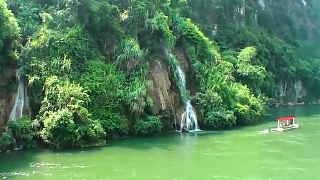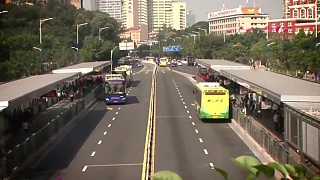
The Summer Palace, BeiJing 北京 (2/3)

Filmed in the autumn of 2010.


[640],shadow=true,start=,stop=

Beijing, the capital city of China, is a vibrant metropolis steeped in history, culture, and modernity. Here's a brief overview of what you can expect as a tourist in Beijing:

Historical Landmarks:
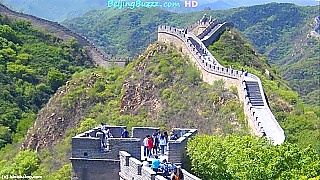
The Great Wall of China: One of the most iconic structures in the world, the Great Wall is easily accessible from Beijing. Mutianyu and Badaling sections are popular among tourists.

Forbidden City (Palace Museum): A UNESCO World Heritage Site, this vast imperial palace complex was home to Chinese emperors for over 500 years. It houses numerous halls, courtyards, and historical artifacts.

Temple of Heaven: A masterpiece of Chinese architecture, this ancient temple complex served as a place of worship for emperors to pray for good harvests.

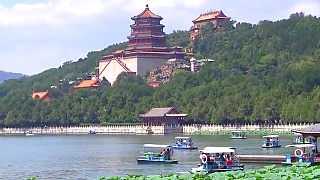
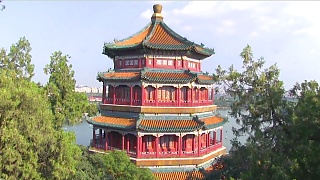
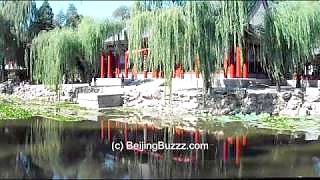
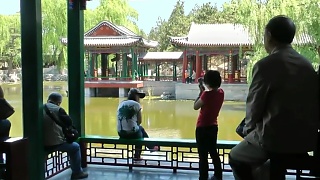
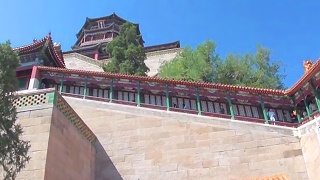
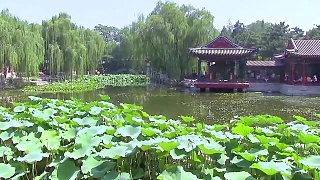
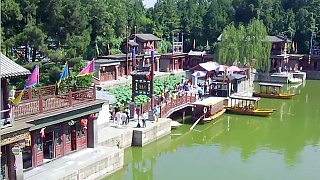
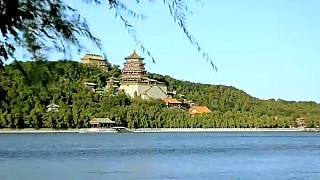
Summer Palace: A stunning ensemble of lakes, gardens, and palaces, the Summer Palace served as a retreat for emperors during the Qing dynasty.

Tiananmen Square: One of the largest city squares in the world, Tiananmen Square is flanked by important landmarks such as the Monument to the People's Heroes, the Great Hall of the People, and the Mausoleum of Mao Zedong.

Cultural Sites:
Beijing Hutongs: Explore the narrow alleyways and traditional courtyard residences of Beijing's historic neighborhoods. You can take a rickshaw tour or simply wander around on foot.

Beijing Opera: Experience traditional Chinese opera performances at venues like the Liyuan Theater or the Chang'an Grand Theatre.

798 Art District: A hub of contemporary art and culture, this former industrial area is now home to numerous galleries, studios, and cafes.

Modern Attractions:
Olympic Park: Visit iconic structures such as the Bird's Nest (National Stadium) and the Water Cube (National Aquatics Center) from the 2008 Beijing Olympics.

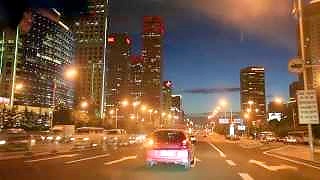
CBD (Central Business District): Marvel at the futuristic skyline of Beijing's modern business district, which includes landmarks like the CCTV Headquarters and the China World Trade Center Tower III.

Culinary Delights:
Peking Duck: Indulge in Beijing's most famous dish, crispy roast duck served with pancakes, scallions, and hoisin sauce.

Street Food: Explore the city's vibrant street food scene and sample local delicacies like jianbing (savory crepes), lamb skewers, and dumplings.

Practical Tips:
Transportation: Beijing has an extensive public transportation system, including the subway, buses, and taxis. However, traffic can be heavy, so plan your travels accordingly.

Language: While English is not widely spoken, especially outside tourist areas, many signs and transportation announcements are in English. It's helpful to carry a translation app or a phrasebook.

Weather: Beijing experiences four distinct seasons, with hot summers and cold winters. The best times to visit are spring (April to June) and autumn (September to October) when the weather is mild and comfortable.

Etiquette: Respect local customs and traditions, such as removing your shoes before entering someone's home and using both hands to pass or receive items.

Beijing offers a rich tapestry of experiences for tourists, blending ancient heritage with modern innovations. Whether you're fascinated by history, culture, or culinary delights, there's something for everyone in this dynamic city.

Related Videos


Featured Videos

The beautiful LaoJunShan 老君山 mountain and temple, HeNan province
A Taoist mountain near LuoYang. Includes a large statue of LaoZi, author of the Dao De Jing. Not to be confused with LaoJunShan in YunNan.
A trip to the sacred HuangShan Mountain 黃山, AnHui province
HuangShan is well known for its beautiful scenery, sunsets and sunrises, unusually shaped granite peaks, ancient pine trees, hot springs, winter snow, and views of the clouds from above. Some of the peaks rise more than 1,800 meters (6,000 feet). HuangShan is a frequent subject in traditional Chinese paintings and literature. HuangShan is a UNESCO World Heritage Site, and one of China's most popular tourist destinations. The HuangShan area is also noted for Chinese teas of high quality. In the first film, a group of photographers spend a week on the Yellow Mountain and show that patience and dedication pays off ...
The US / UK / West’s economic war on China
If only the West would learn from China the way that China learns from the West. The difference between the American Dream and the Chinese Dream ? The Chinese Dream is being built while the American Dream is pure Hollywood (just a dream / fiction). One can only ever be for a few while the other is for all. Is it money or people that is the fundamental value ? Western 'freedom' is a system where the majority will be poor, to pay for spreading that 'freedom' (control / global hegemony) worldwide. The neo-colonial nations aim to keep the rest of the world down - and this supremacist agenda has caused endless wars and famines worldwide. The difference between the West and China is that China thinks long-term and innovates, while the West just tries to cling onto its 'supremacy' and is hence declining. The West's economic detachment is the first step to a hot war. With Radhika Desai and Michael Hudson ...
NanJing 南京 pictorial
Capital of JiangSu province.
BeiJing breakfast tour
With Sammy and Tommy ...
Langmusi, a serene Tibetan village in southern GanSu province
With Ben Cubbage ... Welcome to Langmusi - A Serene Tibetan Village in GanSu Province Introduction Top Attractions Activities Local Culture Local Cuisine Visitor Tips Getting There Introduction Langmusi, also known as Taktsang Lhamo in Tibetan, is a picturesque village nestled in the Tibetan Grasslands, straddling the border between GanSu and SiChuan provinces. Known for its serene beauty, Langmusi is a spiritual haven and an important cultural hub for the Tibetan people. The village is surrounded by rolling grasslands, majestic mountains, and crystal-clear rivers, offering a tranquil escape from the hustle and bustle of modern life. Langmusi is famous for its Tibetan Buddhist monasteries, stunning natural landscapes, and vibrant Tibetan culture. It serves as a gateway to the vast Tibetan Plateau and is a popular destination for travelers seeking peace, spirituality, and a deeper connection with nature. Despite its remote location, Langmusi has retained its traditional charm and offers visitors a unique glimpse into the rich cultural heritage of the Tibetan people. Top Attractions Sertri Monastery Sertri Monastery, also known as Taktsang Lhamo Kirti Gompa, is one of the two main monasteries in Langmusi. Located on the northern side of the village, this monastery is an important center for Tibetan Buddhism and is home to hundreds of monks. The monastery's stunning architecture, intricate murals, and peaceful atmosphere make it a must-visit for anyone interested in Tibetan culture and spirituality. Visitors can attend prayer sessions, observe daily rituals, and explore the monastery's various halls and chapels. Kerti Monastery Kerti Monastery, also known as Kirti Gompa, is the second major monastery in Langmusi. Situated on the southern side of the village, Kerti Monastery is slightly smaller but equally significant. The monastery is known for its vibrant religious festivals, where monks and locals gather to celebrate with colorful processions, music, and dance. The surrounding area is also ideal for short hikes, offering panoramic views of the village and the surrounding grasslands. Namo Gorge Namo Gorge is a breathtaking natural wonder located just outside Langmusi. This narrow gorge is carved by the Bailong River and is flanked by towering cliffs and dense forests. A walk through the gorge offers a peaceful retreat into nature, with the sound of the river, the chirping of birds, and the scent of wildflowers filling the air. The gorge is also home to several meditation caves used by monks, adding to its spiritual significance. Sky Burial Site The Sky Burial Site in Langmusi is a unique and culturally significant place where traditional Tibetan sky burials are conducted. This ancient funerary practice involves placing the deceased on a mountaintop to be consumed by vultures, symbolizing the cycle of life and death in Tibetan Buddhism. While tourists are generally not allowed to observe the ceremonies out of respect, the site is an important aspect of Tibetan culture and spirituality, and its location offers a serene view of the surrounding landscape. Activities Hiking and Trekking: Langmusi is a paradise for hikers and trekkers, with numerous trails leading through the Tibetan Grasslands, mountains, and valleys. Popular routes include hikes to Namo Gorge, visits to meditation caves, and treks to nearby Tibetan nomad camps. Horseback Riding: Experience the traditional Tibetan way of life by exploring the grasslands on horseback. Local guides offer horseback riding tours that take you through scenic landscapes and offer insights into the nomadic culture of the region. Cultural Tours: Immerse yourself in Tibetan culture by visiting local monasteries, attending prayer sessions, and learning about Buddhist rituals and traditions. Cultural tours often include visits to both Sertri and Kerti Monasteries, as well as interactions with local monks. Photography: Langmusi's stunning landscapes, traditional Tibetan architecture, and vibrant culture make it a photographer's dream. Capture the beauty of the grasslands, the serenity of the monasteries, and the daily life of the Tibetan people. Stargazing: Due to its remote location and high altitude, Langmusi offers exceptional stargazing opportunities. On clear nights, the sky is filled with countless stars, making it an ideal place to connect with the cosmos. Local Culture Langmusi is deeply rooted in Tibetan culture, and visitors to the village will have the opportunity to experience the rich traditions, spirituality, and way of life of the Tibetan people. The village is home to both Tibetans and Hui Muslims, and the blend of cultures adds to the unique charm of the area. Tibetan Buddhism plays a central role in the daily life of the villagers, and the two main monasteries, Sertri and Kerti, are integral to the spiritual and cultural fabric of Langmusi. Festivals and religious ceremonies are celebrated with great enthusiasm, and visitors may have the chance to witness colorful processions, traditional music, and sacred dances. The Tibetan nomadic culture is also prevalent in the surrounding grasslands, where nomads live in traditional tents and herd yaks and sheep. Visitors can learn about the nomadic way of life, including their customs, clothing, and food, by visiting nomad camps or interacting with local families. Local Cuisine The cuisine in Langmusi is a reflection of its Tibetan heritage, with hearty dishes that are well-suited to the high-altitude environment. Some must-try dishes include: Yak Butter Tea: A traditional Tibetan drink made from yak butter, salt, and tea leaves. It has a unique flavor and is often consumed to provide warmth and energy in the cold climate. Tsampa: A staple food in Tibetan cuisine, tsampa is made from roasted barley flour and is often mixed with yak butter tea to form a dough-like consistency. It is a versatile dish that can be eaten at any time of day. Yak Meat Dishes: Yak meat is a common ingredient in Tibetan cuisine, and it is often used in stews, dumplings, and stir-fries. The meat is flavorful and rich, making it a popular choice among locals and visitors alike. Momos: Tibetan dumplings filled with meat or vegetables and served with a spicy dipping sauce. Momos are a popular snack and are often enjoyed with tea. Thukpa: A hearty noodle soup made with meat, vegetables, and sometimes yak butter. Thukpa is a warming dish that is perfect for the cool climate of Langmusi. Visitor Tips Altitude Awareness: Langmusi is located at an altitude of over 3,300 meters (10,827 feet), so it's important to be aware of altitude sickness. Take time to acclimatize, stay hydrated, and avoid strenuous activity in the first few days. Best Time to Visit: The best time to visit Langmusi is from May to October when the weather is milder and the grasslands are lush and green. Winter can be extremely cold, with heavy snowfall making travel difficult. Respect Local Customs: Langmusi is a deeply spiritual place, so it's important to respect local customs and traditions. Dress modestly, particularly when visiting monasteries, and ask for permission before taking photos of people or religious sites. Stay on Designated Paths: When exploring the grasslands and surrounding nature, stick to designated paths to avoid damaging the fragile ecosystem and to ensure your safety. Language: While Mandarin is spoken in Langmusi, many locals, particularly older residents and monks, speak Tibetan. Learning a few basic phrases in Tibetan can enhance your experience and help you connect with the local community. Getting There Langmusi is located in a remote area, but it is accessible by several means: By Air: The nearest airport is Xiahe/Gannan Airport, which is about 90 km (56 miles) from Langmusi. From the airport, you can hire a taxi or take a bus to the village. Flights to Xiahe/Gannan Airport are available from major cities such as ChengDu and Xi'An. By Bus: Buses run regularly from nearby towns such as HeZuO, XiaHe, and LuQu to Langmusi. The bus ride offers scenic views of the Tibetan Plateau and is an affordable option for reaching the village. By Car: Renting a car or hiring a private driver is a convenient way to reach Langmusi, especially if you plan to explore the surrounding areas. The drive from HeZuO to Langmusi takes about 4 hours and offers stunning views of the grasslands and mountains. By Train: The nearest major train station is in Lanzhou, GanSu's capital. From Lanzhou, you can take a bus or hire a car to reach Langmusi. The journey from Lanzhou takes approximately 8-10 hours.
The Stone Village of the NaXi people, YunNan province
With China Road Tales ... The Stone Village of the NaXi people, located in YunNan Province, China, is a remarkable destination that offers a unique glimpse into the traditional lifestyle, culture, and architecture of the NaXi ethnic minority. Here’s a detailed look at this fascinating village: ### Location and Overview - **Location**: The Stone Village, also known as ShiZhiShu Village, is situated in the YuLong Naxi Autonomous County in the northwestern part of Yunnan Province, near the town of Lijiang. - **Geography**: Nestled in the foothills of the Jade Dragon Snow Mountain (YuLong XueShan), the village is surrounded by stunning natural beauty, including rugged mountains, lush forests, and clear streams. ### NaXi Culture and Heritage - **Ethnic Group**: The NaXi people are one of China’s 56 recognized ethnic groups, with a rich cultural heritage that blends elements of Han Chinese, Tibetan, and other neighboring cultures. - **Language**: The NaXi language, belonging to the Sino-Tibetan language family, is still spoken by many villagers. The NaXi also have a unique pictographic script called Dongba, used primarily for religious texts. - **Matriarchal Society**: Historically, the NaXi society was matrilineal, with property and family names passed down through the female line. ### Architecture - **Stone Houses**: The village is renowned for its traditional stone houses, built using local materials such as stone, wood, and mud. These houses are designed to blend harmoniously with the natural environment and are known for their durability and unique aesthetic. - **Courtyards**: Many homes are built around central courtyards, which serve as communal spaces for family activities and social gatherings. - **Wooden Carvings**: Intricate wooden carvings and decorations adorn the houses, showcasing the NaXi’s craftsmanship and artistic traditions. ### Traditional Lifestyles - **Agriculture**: The NaXi people in the Stone Village primarily engage in agriculture, cultivating crops such as barley, wheat, and vegetables. They also raise livestock, including pigs, chickens, and yaks. - **Traditional Dress**: The NaXi have distinctive traditional clothing, often featuring bright colors and intricate embroidery. Women’s attire includes long gowns with wide belts and colorful headscarves, while men typically wear tunics and trousers. - **Festivals and Rituals**: The NaXi people celebrate various traditional festivals, such as the Torch Festival and the Sanduo Festival, which are marked by music, dance, and religious ceremonies. ### Dongba Religion - **Animism and Shamanism**: The NaXi practice Dongba religion, an animistic belief system that involves worshiping nature spirits and ancestors. Dongba priests, who are also scholars, play a central role in religious rituals and the preservation of cultural heritage. - **Dongba Texts**: These religious texts are written in the unique Dongba script, a pictographic writing system that dates back over a thousand years. ### Tourism and Preservation - **Cultural Tourism**: The Stone Village has become a popular destination for tourists seeking to experience the traditional lifestyle and culture of the NaXi people. Visitors can explore the village, interact with locals, and learn about their customs and traditions. - **Preservation Efforts**: There are ongoing efforts to preserve the unique architecture and cultural heritage of the Stone Village. Local and regional governments, along with cultural organizations, are working to protect the village from modern development and ensure the continuation of NaXi traditions. ### Nearby Attractions - **Lijiang Ancient Town**: A UNESCO World Heritage Site, Lijiang is known for its well-preserved ancient architecture and vibrant NaXi culture. It is a short drive from the Stone Village and offers additional cultural experiences. - **Jade Dragon Snow Mountain**: This majestic mountain range provides opportunities for hiking, skiing, and enjoying spectacular natural scenery. ### Conclusion The Stone Village of the NaXi people in Yunnan Province is a captivating destination that offers an authentic glimpse into the traditional life and culture of one of China’s most unique ethnic groups. With its distinctive stone architecture, rich cultural heritage, and stunning natural surroundings, the Stone Village provides a memorable and enriching experience for all who visit.
This is beautiful AnHui 安徽 province …
ĀnHuī lies in east China. An awesome film ... Bonus film - HuaiNan, Unforgettable Dream 尋夢淮南 難忘安徽 mini drama. A beautiful film; don't miss it ...
China and healthcare
With WaveMedia ...

Tag search ?