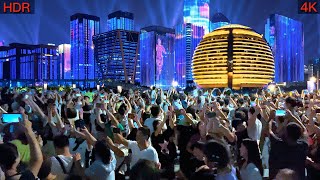
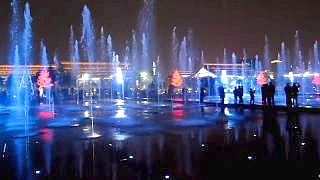
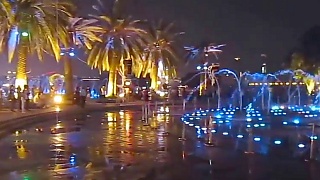
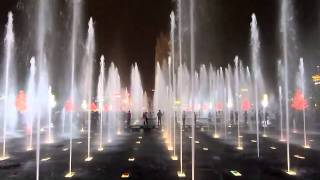
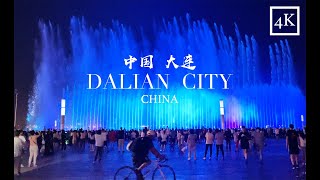
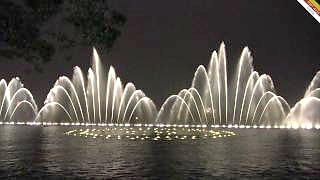
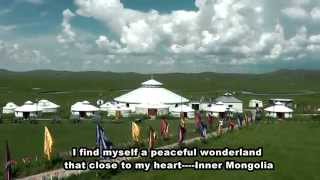
The spectacular fountains in Ordos, Inner Mongolia

Night view.


[640],shadow=true,start=10,stop=
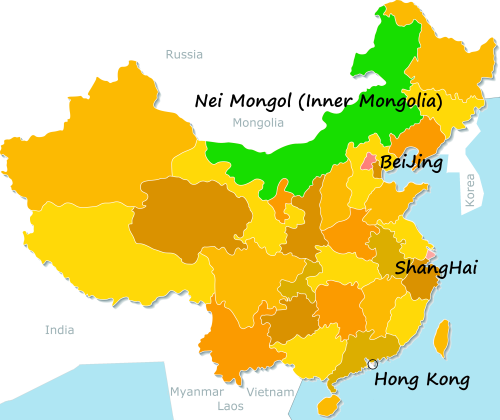
Inner Mongolia map
Related Videos


Featured Videos

How the US tried to undermine Hong Kong (and thereby China)
Divide and rule. Distract and rule. With RT America ... Bonus film - on the World Bank and IMF - The Moderate Rebels with Michael Hudson ...
The ancient HuaYan, FaHua, HunYuan & ShanHua temples, DaTong, ShanXi province
With Andy see the World ... *** HuaYan Temple, located in DaTong, ShanXi province, is a magnificent example of Buddhist temple architecture and one of the best-preserved temples from the Liao and Jin dynasties. Its name, "Huayan," is derived from the Huayan Sutra, an important scripture in Chinese Buddhism, reflecting the temple's strong connection to the Huayan school of Buddhist thought. Key Features: Divided Structure: The temple is unique as it is divided into two parts: the Upper Temple and the Lower Temple. The Upper Temple, built on a hill, was primarily used for religious ceremonies, while the Lower Temple served as a residential and study area for monks. Grand Hall: The Great Buddha Hall in the Upper Temple is one of the largest remaining halls of its kind from the Liao dynasty. It features massive wooden beams, intricate carvings, and large Buddha statues that exude a sense of serenity. Murals and Sculptures: The temple is renowned for its well-preserved murals and Buddhist sculptures. These artworks depict scenes from Buddhist scriptures and stories, reflecting the artistic style and religious devotion of the era. Library of Sutras: The Lower Temple houses a library of Buddhist sutras, emphasizing the temple’s role as a center for learning and spiritual practice. Architectural Significance: The wooden structures of Huayan Temple showcase the advanced engineering and architectural techniques of ancient China. The use of dougong brackets (interlocking wooden brackets) is particularly impressive. Cultural Heritage: Huayan Temple is a testament to the flourishing of Buddhism in northern China during the Liao and Jin dynasties. It represents a blend of religious, artistic, and architectural achievements. Atmosphere: Visitors often find the temple serene and spiritually uplifting, with its quiet courtyards, ancient trees, and the scent of incense enhancing the experience. It is not just a historical site but also an active place of worship. Huayan Temple remains a significant cultural and spiritual landmark, drawing visitors and scholars from around the world to explore its beauty and historical importance. *** Shanhua Temple, located in Datong, Shanxi Province, is a stunning example of Chinese Buddhist architecture and history. Originally constructed during the Tang Dynasty, the temple has been preserved and renovated over the centuries, with its current structures mainly dating back to the Liao and Jin Dynasties. The temple complex is composed of three main halls arranged along a north-south axis: the Main Gate Hall, the Mahavira Hall, and the Sansheng Hall. These halls are surrounded by peaceful courtyards, ancient trees, and stone pathways, creating a serene environment for visitors. The Mahavira Hall is the centerpiece of the temple, housing large statues of the Buddha and bodhisattvas. The craftsmanship of these statues reflects the artistic style of the Liao Dynasty, with intricate details and vibrant colors. The Sansheng Hall, dedicated to the Three Saints of Hua-yen Buddhism, also contains exquisite statues and murals that are valuable cultural relics. One of the temple's unique features is its collection of wooden structures, which have survived numerous dynasties and demonstrate the sophisticated construction techniques of ancient Chinese architecture. The intricate carvings, painted beams, and symbolic motifs throughout the temple showcase the skill of artisans from different eras. Visitors to Shanhua Temple can also enjoy the surrounding scenery, as the temple is situated near other historical sites in Datong, such as the Nine-Dragon Wall and the Yungang Grottoes. Its peaceful ambiance and historical significance make it a must-visit destination for those exploring China's rich cultural heritage. *** The HunYuan Confucian Temple, located in Hunyuan County near Datong, Shanxi Province, is an important historical and cultural site dedicated to the teachings of Confucius. Known for its elegant architecture and serene atmosphere, the temple reflects the Confucian emphasis on education, morality, and respect for tradition. Originally built during the Yuan Dynasty, the temple has undergone several renovations and expansions over the centuries, with many of its current structures dating back to the Ming and Qing Dynasties. The layout of the temple follows traditional Confucian principles, with symmetrical courtyards and a central axis leading to the main halls. The temple complex includes several key structures, such as the Dacheng Hall, the Gate of Rites, and the Hall of Confucius’ Tablets. The Dacheng Hall, the centerpiece of the temple, houses a statue of Confucius and tablets honoring his disciples and other influential scholars. Its wooden beams and intricate carvings are a testament to the craftsmanship of ancient Chinese builders. The temple grounds are adorned with ancient cypress trees, stone tablets, and inscriptions that highlight the enduring legacy of Confucianism in Chinese culture. These elements create a tranquil environment for visitors, providing a space for reflection and appreciation of traditional values. Hunyuan Confucian Temple is not only a place of historical significance but also a symbol of the enduring influence of Confucian thought in shaping Chinese society. Its proximity to other attractions in the area, such as the Hanging Temple, makes it an excellent addition to any itinerary for visitors exploring the region. *** The Fahua Temple, located in Datong, Shanxi Province, is a historic Buddhist temple with a serene atmosphere and a rich cultural heritage. Known for its traditional Chinese architecture and intricate details, the temple provides a glimpse into the spiritual and artistic traditions of ancient China. Originally built during the Ming Dynasty, Fahua Temple has undergone renovations over the centuries, preserving its historic charm while maintaining its religious significance. The temple is dedicated to Buddhist teachings and serves as a place of worship, meditation, and cultural reflection. The layout of the temple includes several key structures, such as the main hall, bell tower, and various smaller pavilions. The main hall is adorned with statues of the Buddha and Bodhisattvas, as well as colorful murals that depict scenes from Buddhist scriptures. The bell tower houses an ancient bronze bell that is said to bring blessings and peace to those who hear its chime. The temple grounds are quiet and peaceful, with pathways lined by trees and flowers that enhance the meditative experience. Stone carvings and inscriptions throughout the temple complex reflect the devotion and artistic skills of past generations. Visitors often find the setting conducive to quiet reflection and spiritual exploration. Fahua Temple is an important cultural and religious site in Datong, offering visitors a chance to connect with Buddhist traditions and admire the craftsmanship of Chinese temple architecture. Its tranquil environment makes it a worthwhile stop for those seeking a deeper understanding of the region’s history and spiritual legacy.
Angela Chang – A Diao 阿刁 – music
YangShuo 阳朔 : beautiful scenery – video
A tour of YangShuo and its beautiful countryside of rivers and karst peaks. Go hiking along the Li River, bamboo raft down the YuLong River and visit other attractions like Moon Hill and the Big Banyan Tree.
Awesome YunNan 云南 province
First, a beautiful time-lapse film by KevinWK. Don't miss it ... Plus, A trip to LiJiang (and Shangrila), YunNan ...
100 useful conversational phrases for Chinese language learners
Bonus film - two hours of pronunciation practice ...
The awesome FanJing Mountain, GuiZhou province
With Qingyunji ... Fanjing Mountain, located in Tongren City, Guizhou Province, is a stunning natural and cultural landmark known for its unique landscapes, biodiversity, and spiritual significance. Here's a detailed overview of Fanjing Mountain: ### Location and Overview - **Location**: Fanjing Mountain is situated in the Wuling Mountain range in Tongren City, northeastern Guizhou Province, China. - **Elevation**: The highest peak of Fanjing Mountain reaches an elevation of 2,570 meters (8,430 feet) above sea level. - **UNESCO World Heritage Site**: In 2018, Fanjing Mountain was designated a UNESCO World Heritage Site due to its rich biodiversity and unique geological features. ### Natural Beauty and Biodiversity 1. **Unique Geological Formations**: Fanjing Mountain is characterized by its distinctive rock formations, including the Red Cloud Golden Summit (HongYun JinDing), Mushroom Stone, and Old Golden Summit (LaoJinDing). These formations offer breathtaking views and are popular among photographers and nature enthusiasts. 2. **Biodiversity Hotspot**: The mountain is a biodiversity hotspot, home to numerous rare and endemic species. The area is particularly noted for its diverse plant life, including ancient ginkgo trees, fir forests, and a variety of medicinal herbs. 3. **Endangered Species**: Fanjing Mountain provides habitat for several endangered animal species, such as the Guizhou snub-nosed monkey (Rhinopithecus brelichi), Chinese giant salamander, and various rare birds and insects. ### Spiritual and Cultural Significance 1. **Buddhist Heritage**: Fanjing Mountain is one of the sacred Buddhist mountains in China. It is considered a place of enlightenment and has a long history of Buddhist worship. The mountain is associated with Maitreya Buddha (the future Buddha). 2. **Temples and Monasteries**: There are several ancient temples and monasteries on the mountain, including the Shizhong Temple and the Cheng’en Temple. These religious sites attract pilgrims and tourists alike, offering a peaceful and spiritual retreat. 3. **Pilgrimage Destination**: The mountain's spiritual significance makes it a popular pilgrimage destination for Buddhists, especially during religious festivals and important Buddhist dates. ### Tourist Attractions and Activities 1. **Hiking and Trekking**: Fanjing Mountain offers numerous hiking and trekking trails that cater to various levels of difficulty. The trails provide stunning views of the natural scenery and access to the mountain’s unique rock formations and temples. 2. **Cable Cars**: For those who prefer a less strenuous visit, cable cars are available to take visitors up to the scenic areas and major viewpoints, offering a comfortable and scenic ride. 3. **Panoramic Views**: The Golden Summit, one of the most famous peaks, offers panoramic views of the surrounding mountains and valleys. The sight of the sunrise and sunset from this vantage point is particularly spectacular. 4. **Photography**: The unique landscapes, diverse flora and fauna, and ancient temples make Fanjing Mountain a paradise for photographers. ### Conservation Efforts 1. **Protected Area**: Fanjing Mountain is part of a protected nature reserve, which helps to preserve its unique ecosystems and biodiversity. 2. **Sustainable Tourism**: Efforts are being made to promote sustainable tourism practices that minimize the impact on the natural environment and local communities while enhancing the visitor experience. ### Visitor Information 1. **Best Time to Visit**: The best time to visit Fanjing Mountain is during the spring (April to May) and autumn (September to October) when the weather is mild, and the natural scenery is at its most vibrant. 2. **Accessibility**: Fanjing Mountain can be accessed via Tongren, which is connected to major cities in China by train and air. From Tongren, visitors can take buses or taxis to the mountain’s entrance. 3. **Accommodation**: There are various accommodation options available, ranging from hotels in Tongren to guesthouses and inns near the mountain. ### Conclusion Fanjing Mountain in Guizhou is a place of extraordinary natural beauty and cultural significance. With its unique geological formations, rich biodiversity, and profound spiritual heritage, it offers a diverse and enriching experience for nature lovers, hikers, pilgrims, and tourists. The mountain’s combination of stunning landscapes, rare wildlife, and ancient temples makes it a must-visit destination in China.
The beautiful Old Towns of LiJiang and DaLi, YunNan province
Scenic films. With CHN Tourism ... With Lucas & Ann ...
The myth of normal (health)
Mark Hyman talks with Gabor Mate about the mind-body not as connected but as a single system, why are we seeing more chronic disease, stress, obesity, addiction, and so many other states of illness than ever before, the role of trauma, and much more ...

Tag search ?