The Rainbow Bridge

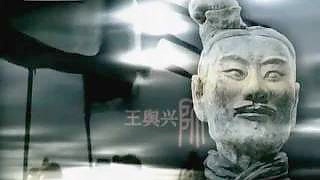
Excellent documentary on the Rainbow Bridge that combines history (Song Dynasty, 12th century), science and culture.

[640],shadow=true,start=,stop=

Related Videos


Featured Videos

ShaXi ancient town, YunNan province, with Little Chinese Everywhere
24 hours in HangZhou 杭州  …
ZheJiang province.
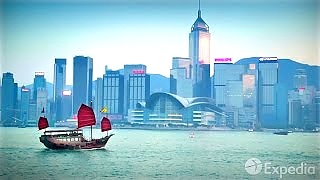
Chinese New Year fireworks, Hong Kong 香港, 2016
20 places to visit in and around NanJing, JiangSu province
Places to visit in and around NanJing Dr. Sun Yat-sen's Mausoleum (中山陵) - Zhōngshān Líng Description: Dr. Sun Yat-sen's Mausoleum is a memorial site dedicated to the founding father of the Republic of China, located at the foot of Purple Mountain. Visitors can climb the grand staircase to reach the mausoleum, explore the surrounding parkland, and pay homage to Dr. Sun Yat-sen at his final resting place. Confucius Temple (夫子庙) - Fūzǐ Miào Description: Confucius Temple is a historic complex dedicated to the ancient Chinese philosopher Confucius. The temple features traditional architecture, tranquil courtyards, and cultural relics, as well as bustling markets, teahouses, and street performances. Visitors can experience the vibrant atmosphere and pay tribute to Confucius' teachings and legacy. Nanjing City Wall (南京城墙) - Nánjīng Chéngqiáng Description: Nanjing City Wall is one of the best-preserved ancient city walls in China, dating back over 600 years. Visitors can walk or cycle along the wall's ramparts, gates, and watchtowers, enjoying panoramic views of the cityscape and surrounding scenery. The wall offers insights into Nanjing's rich history and architectural heritage. Xuanwu Lake (玄武湖) - Xuánwǔ Hú Description: Xuanwu Lake is a scenic freshwater lake located in the heart of Nanjing, surrounded by parks, gardens, and historic landmarks. Visitors can take leisurely boat cruises, stroll along lakeside promenades, and enjoy recreational activities such as cycling, picnicking, and birdwatching amidst serene natural surroundings. Jiming Temple (鸡鸣寺) - Jīmíng Sì Description: Jiming Temple is a renowned Buddhist temple perched on the slopes of Purple Mountain, offering panoramic views of Nanjing. The temple complex features ancient pagodas, halls, and gardens, as well as cultural relics and religious artifacts. Visitors can explore the tranquil grounds, attend Buddhist ceremonies, and admire the temple's architectural beauty. Nanjing Museum (南京博物院) - Nánjīng Bówùyuàn Description: Nanjing Museum is one of China's largest and most comprehensive museums, showcasing the history, art, and culture of Nanjing and the Jiangsu province. The museum's extensive collections include archaeological artifacts, fine art, ceramics, and cultural relics, as well as interactive exhibits, educational programs, and temporary exhibitions. Presidential Palace (总统府) - Zǒngtǒng Fǔ Description: Presidential Palace is a historic complex serving as the former official residence of Chinese presidents. The palace features traditional Chinese architecture, landscaped gardens, and historical exhibitions, offering insights into China's modern history and political developments. Visitors can explore the ornate halls, courtyards, and memorial halls, as well as attend cultural events and performances. Nanjing Yangtze River Bridge (南京长江大桥) - Nánjīng Chángjiāng Dàqiáo Description: Nanjing Yangtze River Bridge is a landmark bridge spanning the Yangtze River, connecting the districts of Pukou and Xiaguan. The bridge offers panoramic views of the river, city skyline, and surrounding landscapes, as well as opportunities for sightseeing, photography, and enjoying the scenic riverfront. Porcelain Tower of Nanjing (南京瓷塔) - Nánjīng Cítǎ Description: Porcelain Tower of Nanjing is a historic pagoda renowned for its exquisite architecture and ornate porcelain decorations. Originally built in the 15th century, the pagoda was reconstructed in the 21st century and now serves as a cultural landmark and museum. Visitors can admire the pagoda's intricate design, learn about its history, and enjoy panoramic views from the top. Ming Xiaoling Mausoleum (明孝陵) - Míng Xiàolíng Description: Ming Xiaoling Mausoleum is the final resting place of Emperor Zhu Yuanzhang, the founder of the Ming Dynasty, and his empress. Located at the foot of Purple Mountain, the mausoleum complex features grand gateways, sacred pathways, and ancient stone sculptures, as well as serene forested surroundings ideal for contemplation and reflection. Nanjing Drum Tower (南京鼓楼) - Nánjīng Gǔlóu Description: Nanjing Drum Tower is a historic landmark dating back to the Ming Dynasty, located in the heart of Nanjing's city center. The tower once served as a military command post and timekeeping facility, and today houses a museum showcasing Nanjing's cultural heritage. Visitors can climb to the top for panoramic views of the city and learn about the tower's history and significance. Xiaoling Tomb of the Ming Dynasty (明孝陵) - Míng Xiàolíng Description: Xiaoling Tomb is the burial site of Emperor Zhu Yuanzhang, the founding emperor of the Ming Dynasty, and his empress. Located at the foot of Purple Mountain, the tomb complex encompasses grand gateways, pathways, and scenic gardens, as well as historical artifacts and sculptures. Visitors can explore the serene surroundings, pay respects to the Ming Dynasty's founder, and learn about imperial burial customs. Nanjing Museum of Paleontology (南京古生物博物馆) - Nánjīng Gǔshēngwù Bówùguǎn Description: Nanjing Museum of Paleontology is dedicated to the study and exhibition of fossils and prehistoric artifacts. The museum's collections include dinosaur fossils, ancient plants, and geological specimens, as well as interactive exhibits and educational programs exploring Earth's natural history and evolution. Nanjing Presidential Palace (南京总统府) - Nánjīng Zǒngtǒng Fǔ Description: Nanjing Presidential Palace is a historic complex serving as the former official residence of Chinese presidents. The palace features traditional Chinese architecture, landscaped gardens, and historical exhibitions, offering insights into China's modern history and political developments. Visitors can explore the ornate halls, courtyards, and memorial halls, as well as attend cultural events and exhibitions. Jiming Temple Scenic Area (鸡鸣寺风景名胜区) - Jīmíng Sì Fēngjǐng Míngshèng Qū Description: Jiming Temple Scenic Area encompasses the historic Jiming Temple complex, as well as surrounding parks, gardens, and cultural landmarks. Visitors can explore ancient temples, pagodas, and stone inscriptions, as well as enjoy scenic walks, cultural performances, and panoramic views of Nanjing's skyline. Mochou Lake Park (莫愁湖公园) - Mòchóu Hú Gōngyuán Description: Mochou Lake Park is a scenic parkland surrounding Mochou Lake, offering a tranquil retreat amidst Nanjing's urban landscape. Visitors can stroll along lakeside promenades, admire seasonal flowers and gardens, and enjoy recreational activities such as boating, fishing, and picnicking. The park also features cultural attractions, pavilions, and historic sites. Nanjing Drum Tower (南京鼓楼) - Nánjīng Gǔlóu Description: Nanjing Drum Tower is a historic landmark located in the heart of Nanjing's city center, dating back to the Ming Dynasty. The tower once served as a military command post and timekeeping facility, and today houses a museum showcasing Nanjing's cultural heritage. Visitors can climb to the top for panoramic views of the city and learn about the tower's history and significance. Porcelain Tower Site Park (瓷塔遗址公园) - Cítǎ Yízhǐ Gōngyuán Description: Porcelain Tower Site Park is a historic site commemorating the location of the former Porcelain Tower of Nanjing, a renowned pagoda destroyed during the Qing Dynasty. The park features archaeological remains, cultural exhibits, and reconstructed pagoda foundations, as well as landscaped gardens, sculptures, and panoramic views of Nanjing's skyline. Nanjing Botanical Garden (南京植物园) - Nánjīng Zhíwù Yuán Description: Nanjing Botanical Garden is a vast botanical reserve featuring diverse plant collections, themed gardens, and natural habitats. Visitors can explore walking trails, greenhouses, and scenic viewpoints, as well as participate in educational programs, workshops, and gardening activities. The garden also hosts seasonal flower shows, plant exhibitions, and cultural events throughout the year. Qinhuai River Scenic Area (秦淮风光带) - Qínhuái Fēngguāng Dài Description: Qinhuai River Scenic Area is a historic waterfront district renowned for its cultural heritage, scenic landscapes, and traditional architecture. Visitors can take leisurely boat cruises along the river, explore ancient streets and alleys, and admire historic landmarks such as Confucius Temple, Nanjing City Wall, and Zhonghua Gate. The area also offers opportunities for shopping, dining, and experiencing Nanjing's vibrant nightlife. Nanjing Massacre Memorial Hall (南京大屠杀纪念馆) - Nánjīng Dàtúshā Jìniànguǎn Description: Nanjing Massacre Memorial Hall is a somber memorial dedicated to the victims of the Nanjing Massacre during World War II. The memorial hall features historical exhibits, documentary films, and testimonies from survivors, as well as educational programs and activities promoting peace, reconciliation, and remembrance.
The beautiful PingYao ancient city, ShanXi province
With China Walking Tour ... Ancient City of PingYao visitor guide Overview The Ancient City of PingYao, located in ShanXi province, is one of the best-preserved ancient walled cities in China. Recognized as a UNESCO World Heritage Site, Ping Yao offers a fascinating glimpse into China's architectural and cultural history. The city's layout, traditional buildings, and historical sites make it a must-visit destination for history enthusiasts and cultural explorers. History Ping Yao's history dates back over 2,700 years, with its origins in the Western Zhou Dynasty (1046–771 BC). The city flourished during the Ming (1368–1644) and Qing (1644–1912) dynasties as a center of trade, finance, and banking. Its well-preserved architecture and urban planning reflect the prosperous period of ancient China, making it an invaluable cultural and historical treasure. Main Attractions City Walls The ancient city walls of Ping Yao are among the most complete in China. Constructed during the Ming Dynasty, these imposing walls stretch for 6 kilometers and feature 72 watchtowers and numerous gates. Visitors can walk along the walls, enjoying panoramic views of the city and experiencing the historical significance of this ancient fortification. Rishengchang Draft Bank Rishengchang, established in the early 19th century, is considered the first draft bank in China. This historical site offers insights into the origins of China's banking system and showcases traditional banking practices. The museum within the bank exhibits artifacts and documents that highlight the financial history of Ping Yao. Ancient Government Office The Ancient Government Office, also known as the Ping Yao County Office, served as the administrative center of the city. This well-preserved complex includes the courthouse, prison, and various government offices. Visitors can explore the rooms and halls, gaining an understanding of the judicial and administrative processes of ancient China. Temple of the City God The Temple of the City God is a significant religious site in Ping Yao. Dedicated to the deity believed to protect the city, the temple features beautiful architecture, intricate carvings, and serene courtyards. It remains an active place of worship and offers a peaceful retreat for visitors. Culture and Traditions The Ancient City of Ping Yao is a cultural treasure trove, with a rich heritage of traditional customs, crafts, and festivals. The city's residents continue to preserve and celebrate their cultural traditions, offering visitors a unique opportunity to experience the living history of this ancient city. From traditional performances to local crafts, Ping Yao's cultural vibrancy is palpable. Activities and Experiences Walking Tours Explore Ping Yao on foot with a guided walking tour. These tours provide valuable insights into the city's history, architecture, and culture, and are led by knowledgeable local guides. Walking through the ancient streets and alleyways is a delightful way to immerse yourself in the city's unique charm. Shopping for Local Crafts The shops and markets in Ping Yao offer a variety of traditional crafts and handmade products. Visitors can shop for souvenirs, including lacquerware, paper cuttings, and traditional clothing, all crafted by local artisans. These items make for unique and meaningful mementos of your visit. Sampling Local Cuisine Ping Yao is known for its delicious local cuisine, which reflects the flavors and traditions of Shanxi province. Visitors can sample a range of traditional dishes at the city's restaurants and food stalls. Don't miss trying the local specialties, such as Ping Yao beef, daoxiao noodles, and steamed buns. Attending Festivals Throughout the year, Ping Yao hosts various traditional festivals that celebrate local culture and heritage. These festivals feature music, dance, and traditional performances, offering visitors a unique and immersive cultural experience. Check the local event calendar to see if any festivals coincide with your visit. Accommodation Ping Yao offers a range of accommodation options, including traditional guesthouses, boutique hotels, and homestays. Staying in a traditional courtyard hotel provides an authentic experience and allows visitors to immerse themselves in the historical atmosphere of the city. These accommodations often feature traditional architecture and décor, adding to the charm of your stay. Travel Tips Best Time to Visit: The best time to visit Ping Yao is during spring (April to June) and autumn (September to November) when the weather is pleasant, and the city is less crowded. Getting There: Ping Yao is accessible by train, with Ping Yao Ancient City Railway Station serving high-speed trains from major cities. The nearest airport is Taiyuan Wusu International Airport, which offers connections to various domestic and international destinations. Opening Hours: The ancient city is open to visitors year-round. Specific attractions and shops may have their own operating hours. Entrance Fees: There may be entrance fees for certain attractions within the city. It is advisable to check the latest fees before planning your visit. Dress Comfortably: Wear comfortable clothing and sturdy walking shoes, as the city's streets are cobbled and can be uneven. Respect Local Customs: Be respectful of local customs and traditions, especially when visiting temples and cultural sites. Always ask for permission before taking photos of people. Stay Hydrated: Carry water, especially if you plan on exploring the city extensively. It's also a good idea to bring snacks or purchase food from local vendors.
ShenZhen 深圳 stroll
Modern China, center of business and commerce, began here, in GuangDong province, south east China, just forty years ago, following the vision and effort of Deng XiaoPing (1904 - 1997). Deng XiaoPing opened China to the world, as it had been during the long period of a prior golden age with the Silk Road to the Middle East and Europe (by land) and other parts of south east Asia and as far as Africa via the Silk Road of the Sea. His policies are credited with helping China to develop in the most startling transformation that the world has ever seen, raising the standard of living of hundreds of millions. This followed his Southern Tour of 1992 when the likelihood of adoption of his vision still looked slim. Deng was also a key player in the return of Hong Kong to China in 1997. Too far. some might say, but without this move, the position to debate that would not now exist. Let's take a stroll along a street in the downtown on a spring evening ...
A trip to HangZhou 杭州 and the West Lake 西湖
George Galloway on the Hong Kong riots
First time in ChongQing
With Adam & Yaz ...

Tag search ?