The impressive BeiJing Winter Olympics venues

With Rafa Goes Around! ...

[640],shadow=true,start=,stop=
[320],shadow=true,start=,stop=

Beijing, the capital city of China, is a vibrant metropolis steeped in history, culture, and modernity. Here's a brief overview of what you can expect as a tourist in Beijing:

Historical Landmarks:
The Great Wall of China: One of the most iconic structures in the world, the Great Wall is easily accessible from Beijing. Mutianyu and Badaling sections are popular among tourists.

Forbidden City (Palace Museum): A UNESCO World Heritage Site, this vast imperial palace complex was home to Chinese emperors for over 500 years. It houses numerous halls, courtyards, and historical artifacts.

Temple of Heaven: A masterpiece of Chinese architecture, this ancient temple complex served as a place of worship for emperors to pray for good harvests.

Summer Palace: A stunning ensemble of lakes, gardens, and palaces, the Summer Palace served as a retreat for emperors during the Qing dynasty.

Tiananmen Square: One of the largest city squares in the world, Tiananmen Square is flanked by important landmarks such as the Monument to the People's Heroes, the Great Hall of the People, and the Mausoleum of Mao Zedong.

Cultural Sites:
Beijing Hutongs: Explore the narrow alleyways and traditional courtyard residences of Beijing's historic neighborhoods. You can take a rickshaw tour or simply wander around on foot.

Beijing Opera: Experience traditional Chinese opera performances at venues like the Liyuan Theater or the Chang'an Grand Theatre.

798 Art District: A hub of contemporary art and culture, this former industrial area is now home to numerous galleries, studios, and cafes.

Modern Attractions:
Olympic Park: Visit iconic structures such as the Bird's Nest (National Stadium) and the Water Cube (National Aquatics Center) from the 2008 Beijing Olympics.

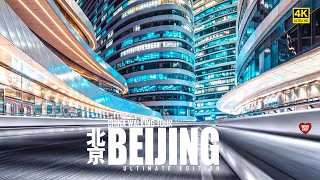
CBD (Central Business District): Marvel at the futuristic skyline of Beijing's modern business district, which includes landmarks like the CCTV Headquarters and the China World Trade Center Tower III.

Culinary Delights:
Peking Duck: Indulge in Beijing's most famous dish, crispy roast duck served with pancakes, scallions, and hoisin sauce.

Street Food: Explore the city's vibrant street food scene and sample local delicacies like jianbing (savory crepes), lamb skewers, and dumplings.

Practical Tips:
Transportation: Beijing has an extensive public transportation system, including the subway, buses, and taxis. However, traffic can be heavy, so plan your travels accordingly.

Language: While English is not widely spoken, especially outside tourist areas, many signs and transportation announcements are in English. It's helpful to carry a translation app or a phrasebook.

Weather: Beijing experiences four distinct seasons, with hot summers and cold winters. The best times to visit are spring (April to June) and autumn (September to October) when the weather is mild and comfortable.

Etiquette: Respect local customs and traditions, such as removing your shoes before entering someone's home and using both hands to pass or receive items.

Beijing offers a rich tapestry of experiences for tourists, blending ancient heritage with modern innovations. Whether you're fascinated by history, culture, or culinary delights, there's something for everyone in this dynamic city.
Related Videos


Featured Videos

XiJiang QianHu Miao Village, GuiZhou province
With Beijing Old Liu ... Xijiang Qianhu Miao Village Visitor Guide Overview Xijiang Qianhu Miao Village, located in Leishan County, Guizhou Province, is the largest Miao village in China and is often referred to as the "Thousand Household Miao Village." This picturesque village is known for its well-preserved traditional Miao architecture, vibrant cultural heritage, and stunning natural scenery. It offers a unique glimpse into the life and traditions of the Miao people. History and Culture The Miao people are one of China's 56 ethnic minorities, with a history that dates back over 2,000 years. Xijiang Qianhu Miao Village is a living museum of Miao culture, where visitors can experience traditional Miao customs, clothing, music, and dance. The village is known for its grand festivals, including the Lusheng Festival, the Miao New Year, and the Sisters' Meal Festival, which feature elaborate costumes, folk dances, and traditional music performances. Main Attractions Miao Ethnic Museum The Miao Ethnic Museum offers a comprehensive look at the history, culture, and traditions of the Miao people. Exhibits include traditional clothing, silver ornaments, musical instruments, and artifacts from daily life. Traditional Miao Architecture The village is renowned for its traditional stilt houses, known as "Diaojiaolou," which are built on wooden stilts and feature intricate wooden carvings. Walking through the village, visitors can admire these unique structures and learn about their construction and significance. Folk Performances Daily folk performances in the village square showcase traditional Miao music and dance. These performances are an excellent way to experience the vibrant cultural heritage of the Miao people. Festival Celebrations Visiting during one of the major festivals, such as the Miao New Year or the Sisters' Meal Festival, provides a deeper insight into Miao culture. These festivals feature colorful parades, traditional music, and elaborate dances, making them a highlight of any visit. Outdoor Activities Hiking and Nature Walks The surrounding hills and rice terraces offer excellent opportunities for hiking and nature walks. The scenic trails provide panoramic views of the village and the lush countryside, making it a paradise for nature lovers and photographers. Exploring Rice Terraces The rice terraces around Xijiang are a testament to the agricultural ingenuity of the Miao people. Visitors can explore these terraced fields, which change colors with the seasons and offer stunning photographic opportunities. Local Cuisine Miao cuisine is known for its bold flavors and use of local ingredients. Some must-try dishes include sour fish soup, sticky rice cakes, and various pickled vegetables. Many local restaurants and street vendors offer authentic Miao food, providing a true taste of the region. Accommodation Xijiang Qianhu Miao Village offers a range of accommodation options, from traditional Miao-style guesthouses to modern hotels. Staying in a local guesthouse provides a more immersive experience, allowing visitors to enjoy Miao hospitality and learn more about their way of life. Travel Tips Best Time to Visit: The best time to visit is during the spring (March to May) and autumn (September to November) when the weather is mild, and the rice terraces are most picturesque. Getting There: The village is accessible by bus from Kaili City, which is connected to major cities like Guiyang by train and bus. Respect Local Customs: When visiting, be respectful of local customs and traditions. Ask for permission before taking photos of people, especially during festivals and ceremonies. Pack Accordingly: Bring comfortable walking shoes for exploring the village and surrounding areas. A light jacket is recommended for the evenings, as temperatures can drop.
XiangMi Park, ShenZhen, during the Spring Festival holidays
Also known as Honey Lake Park ...
A trip to JingShan Park 景山公园 and the Forbidden City 紫禁城, BeiJing
JingShan Park lies immediately north of the Forbidden City (Palace Museum).
What China does so much better than the West
With Jiayi & Julie in China ... 0:43 Medical System 2:27 Transportation 3:40 Political Accountability 6:13 Police 7:41 Food 9:22 Individuality 10:50 City Planning 11:31 Female Culture 14:13 Nature 14:53 History & Culture Top 2 YT comments (on 19th January 2025): * My relative visited China in Oct for 3 weeks. During the visit in Shanghai one evening she had fever of 102F with blood in urine. She was 70+ years old and very nervous but finally went to the ER of the best hospital in Shanghai. She got the service including ultrasound, blood test, medicine, diagnosed as Urinary tract infection, in less than 2 hours. She was fully recovered the next morning. Guess how much she was paid since she didn't have China medical insurance? Total 280RMB, i.e. US$40! She was told that the price for people w/wo insurance was the same. If you had local insurance you might only need to pay 10%-20% of the retail price. * I'm in the US. About 2 weeks ago in North Carolina, an unarmed black man who was accused of shoplifting was shot 3 times. He had no weapon, and was simply walking. A few days ago in Oklahoma, a police officer broke the neck and eye socket of 71 year old Vietnamese man over a traffic stop. I saw both these videos. In Texas, police stopped a man driving a pickup truck because he had out of town license plates. He was carrying $35,000 in cash to buy machinery for his business. The cops seized his money and the local government refuses to return it. These incidents happen EVERY DAY, EVERYWHERE in America. I stopped arguing with Americans about how great they think this country it. They hang on to some unrealistic patriotic delusion, and are quick to accuse China of doing what is ACTUALLY DONE here. Things will not change no matter who is President because corruption permeates this society at every level. Far be it for me to give advice to the people in China, but here it is - be proud of your country and your government. I am in awe of how sophisticated your society is, and how protective of the people the CCP are. You are right about the politicians in the West. They suffer zero consequences for their lies and corrupt actions. The White House and Washington DC perfectly reflect our society. We in the US are not to be admired or emulated, but should be held as an example of a collapsing empire that should never be repeated again for the sake of the world. Thank you for this great vlog! With Expat Adventuring in Asia ...
Hong Kong hike: to Tai Long Wan 大浪灣
The hike to Tai Long Wan (Big Wave Bay). A beautiful place on the east coast of the Sai Kung Peninsula; a large bay with white sand beaches and seas of tropical blue or turquoise, flanked by rugged headlands and backed by green fields beyond which rise some impressive hills. The main route follows a stretch of Maclehose Trail, up and over the ridge from Chek Keng - which you can walk to from a bus stop at Pak Tam Au. Scenes from the video : This area is within the New Territories (often abbreviated as N.T.), one of the three main regions of Hong Kong, alongside Hong Kong Island and the Kowloon peninsula; it comprises over 85% of Hong Kong's land area (nearly 1,000 square kilometers). Guided walks in Hong Kong : http://www.walkhongkong.com See also: http://www.hkoutdoors.com/new-territories/tai-long-wan-sai-kung.html
Planning war on China – part 24
Neither Russia nor China are warmongers, neither seek some kind of world domination, only protection; hegemony is very much only a fantasy of the West (the neo-feudal elites, not the people). If either did not assist the other in time of war, they would go down soon after. Russia has the nukes, China has the manpower and manufacturing. Only together can they withstand the imminent war. On Roosevelt's notion of economic freedom - with The Gravel Institute ... Meanwhile ...
American empire and global propaganda – part 4
With Daniel Dumbrill and The New Atlas ... Bonus film - Uighur separatists funded by the US - with the Moderate Rebels ... Bonus film 2 - Chris Hedges discusses the work of political philosopher Sheldon Wolin with Professor Wendy Brown ...
Beautiful YunNan, the Shangri-La in Heart 云南,心中的香格里拉
YunNan province, in south west China, has a diversity of ethnic cultures and a myriad of landscapes; a real-life idyll ... An amazing film - don't miss this ! Two fun-loving young women from Vietnam take to the road across YunNan province ...
Things to do in Hong Kong 香港 …
Ten ideas ... More ideas ...

Tag search ?