Something different – The Barberettes (music)

Korean vocal girl group.

Be My Baby - The Ronettes ...

[640],shadow=true,start=,stop=

Barbara Ann - Beach Boys ...

[320],shadow=true,start=,stop=

Summer Love ...

[320],shadow=true,start=,stop=

Related Videos


Featured Videos

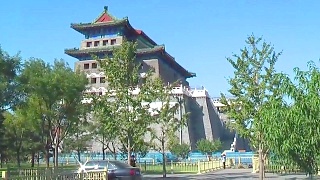
TianJin city walk and drive
With seiwoo ...
More on health and nutrition (2)
With Rangan Chatterjee. With Mark Hyman ... With Tim Spector ...
The LeShan Giant Buddha 乐山大佛
In SiChuan province. The Giant Buddha, which is around 70 meters in height, was carved from the cliff face during the Tang dynasty (618 - 907). It took 90 years to complete. At 3,100 meters (10,170 feet), the nearby Mount EMei is the highest of the four sacred Buddhist mountains in China and a UNESCO World Heritage site.
YinChuan 银川, NingXia province
YinChuan, 'Silver River', lies in NingXia province, central - north China. It is located near the western bank of the upper course of the Yellow River, in the south-central section of the HeLan Shan mountains and the Ordos Desert. Thanks to the Yellow River, YinChuan enjoys beautiful natural scenery and favorable conditions for agriculture and has long earned the fame of a "River Side City in the Northwest" and "Home to Fishes and Rice". Around the city of about 2 million are a number of interesting cultural sites, including part of the Great Wall of China (not far from the western end-point) and grand mosques (Hui minority) and lies on a trade route from cities in the far west to the east. Nearby are the extensive Western Xia Dynasty (1038 - 1227) Tombs, 40 kilometers to the west. There are two pagodas in YinChuan that are part of the 'Eight Famous Sceneries of NingXia': one is the HaiBao Pagoda in the northern suburb and the other is the ChengTianSi Pagoda in the west. Sand Lake lies about 50 kilometers north of YinChuan. Being a world of desert and a large lake, it is a place of beautiful nature and a great getaway. The immediate plains area, intensively irrigated by a system developed as long ago as the Han dynasty (206 BC–AD 220), is very productive for agriculture. A great film by Sticker Travel ...
First impressions of ShangHai
A weekend in ShangHai with FunFancie ... Bonus film - a day in ShangHai, with yuyusai ... Bonus film - with mabelevollove ...
An evening stroll in Xi’An 西安, ShaanXi province
The extraordinary Chaka Salt Lake, QingHai
With Walk East ... Bonus film - the Singing Sand Dunes of GanSu ... Visitor Guide to Chaka Salt Lake, QingHai Overview Chaka Salt Lake, located in the Haixi Mongolian and Tibetan Autonomous Prefecture in QingHai Province, is a stunning natural wonder known for its mirror-like reflection of the sky. Often referred to as the "Mirror of the Sky," this salt lake offers breathtaking views and a unique travel experience. Getting There By Air: The nearest airport is CaoJiabao Airport in XiNing, the capital of QingHai Province, located approximately 300 kilometers from Chaka Salt Lake. From the airport, you can take a taxi or a bus to XiNing Railway Station, and then a train or bus to Chaka Town. By Train: You can take a train to Chaka Railway Station, which is well-connected to major cities like XiNing and Lhasa. From the station, you can take a local taxi or shuttle bus to the lake. By Bus: Long-distance buses from XiNing and other cities in QingHai Province can take you to Chaka Town. From there, local buses and taxis are available to reach the lake. Getting Around Walking: The best way to explore Chaka Salt Lake is on foot, allowing you to fully immerse yourself in the stunning scenery and take beautiful photographs. Local Transport: Taxis and shuttle buses are available for traveling to and from different parts of the lake area. Main Attractions Mirror Reflection The most famous feature of Chaka Salt Lake is its mirror-like surface, which perfectly reflects the sky and surrounding mountains. The best time to see this phenomenon is on a clear day, especially during sunrise and sunset when the colors are most vibrant. Salt Sculptures The lake is surrounded by fascinating salt sculptures, created both naturally and by local artists. These sculptures add an artistic touch to the already stunning landscape. Chaka Salt Lake Scenic Area The scenic area offers well-maintained walkways, viewing platforms, and resting spots for visitors. It's a great place to take a leisurely stroll and enjoy the natural beauty of the lake. Train Rides A narrow-gauge tourist train runs along the edge of the lake, offering a unique perspective and a convenient way to see more of the area. The train ride is especially popular among families and photographers. Stargazing Due to its high altitude and clear skies, Chaka Salt Lake is an excellent location for stargazing. On a clear night, you can see a breathtaking display of stars, making it a popular spot for astronomy enthusiasts. Local Cuisine While visiting Chaka Salt Lake, you can enjoy a variety of local and regional dishes. Here are some recommendations: Lamb Dishes: The region is known for its high-quality lamb, which is used in various dishes such as roasted lamb, lamb hotpot, and lamb kebabs. QingHai Yogurt: Made from yak milk, QingHai yogurt is thick, creamy, and slightly tangy. It is often served with honey or sugar. Tibetan Cuisine: Enjoy traditional Tibetan dishes such as tsampa (roasted barley flour), yak butter tea, and momos (dumplings). Shopping Salt Products: Chaka Salt Lake is a major producer of salt, and you can purchase various salt products, including salt crystals, salt lamps, and bath salts. Local Handicrafts: Explore shops for traditional Tibetan and Mongolian handicrafts, such as jewelry, textiles, and wooden carvings. Specialty Foods: Purchase local specialties such as dried yak meat, yak cheese, and Tibetan pastries. Accommodation Hotels: Chaka Town offers several hotels and guesthouses catering to different budgets, providing comfortable accommodations and easy access to the lake. Eco-Lodges: For a more unique experience, consider staying in an eco-lodge or yurt near the lake, which offers stunning views and a closer connection to nature. Historical Background of Chaka Salt Lake Chaka Salt Lake has a history of salt production dating back over 3,000 years. The lake's salt has been an essential resource for local communities, providing economic support and playing a crucial role in daily life. The name "Chaka" means "salt lake" in Tibetan, reflecting the area's significance in Tibetan culture. The lake has also been an important stop on the ancient Tea Horse Road, a trade route that connected China with Tibet and other regions. In recent years, Chaka Salt Lake has developed into a major tourist destination, attracting visitors with its unique natural beauty and mirror-like reflections. The local government has invested in infrastructure and facilities to enhance the visitor experience while preserving the lake's natural environment. Tips for Visitors Best Time to Visit: The best times to visit Chaka Salt Lake are summer (June to August) and autumn (September to October) when the weather is mild and the lake's reflections are most impressive. Clothing: Wear comfortable walking shoes and dress in layers to accommodate changing temperatures. Sun protection, such as hats and sunscreen, is also recommended. Respect Local Customs: Be respectful of local customs and traditions, especially when visiting nearby Tibetan and Mongolian communities. Language: While Mandarin is widely spoken, learning a few basic phrases or using a translation app can be very helpful. Plan Your Visit: Chaka Salt Lake is best explored at a leisurely pace. Take your time to enjoy the stunning views, visit local attractions, and savor the local cuisine. Conclusion Chaka Salt Lake, with its breathtaking mirror reflections, unique salt sculptures, and rich cultural heritage, offers a one-of-a-kind travel experience. Whether you're exploring the scenic area, enjoying local cuisine, or stargazing under the clear night sky, Chaka Salt Lake provides a serene and memorable escape. Plan your visit carefully to make the most of your trip to this stunning destination in QingHai Province.
US planning the destruction of Taiwan
With Redacted ... With Brian Berletic, Angelo Giuliano and Danny HaiPhong ... With Reportify Media and George Galloway ...
Encounters in China …
With China Icons ...

Tag search ?