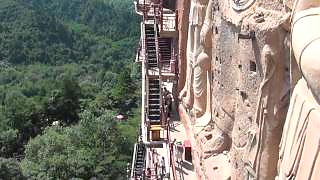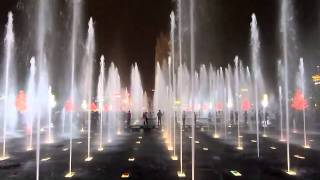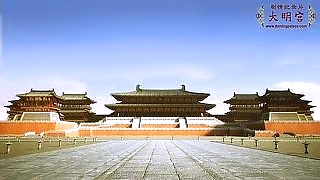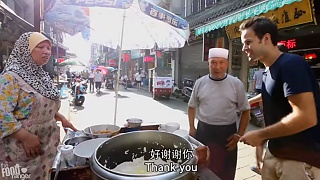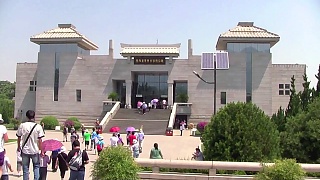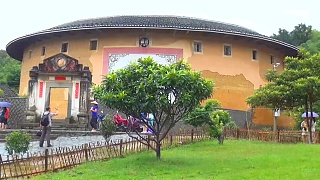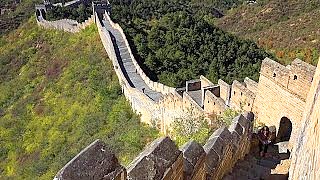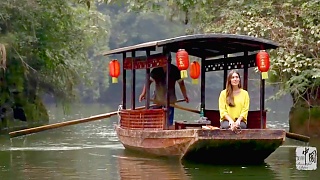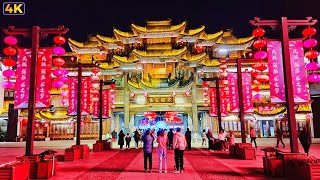
Some scenes from Xi’An, Shaanxi province

Xi'an is one of China's oldest cities, the eastern end of the old Silk Road and home to the Terracotta Warriors that date from the Qin dynasty.

[640],shadow=true,start=,stop=

Xi'an, located in the heart of Shaanxi Province in northwest China, is one of the oldest cities in China and served as the capital for numerous dynasties, including the Qin, Han, and Tang. Renowned for its rich history, cultural heritage, and iconic landmarks, Xi'an is a must-visit destination for tourists. Here's a guide for tourists visiting Xi'an:

Historical and Cultural Significance:
Ancient Capital: Xi'an served as the capital of China for over 13 dynasties and played a crucial role in shaping Chinese history and civilization. It was the starting point of the ancient Silk Road, facilitating trade and cultural exchange between China and the West.

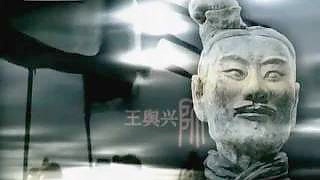
Terracotta Army: One of Xi'an's most famous attractions is the Terracotta Army, a vast collection of life-sized terracotta sculptures depicting the armies of Qin Shi Huang, the first Emperor of China. Discovered in 1974, the Terracotta Army is a UNESCO World Heritage site and a symbol of China's rich cultural heritage.

Top Attractions:
Terracotta Army Museum: Located about 30 kilometers east of Xi'an, the Terracotta Army Museum is home to thousands of intricately crafted terracotta warriors, horses, and chariots. Visitors can explore the excavation pits, marvel at the craftsmanship, and learn about the history of the Qin Dynasty.

Ancient City Wall: Xi'an is renowned for its well-preserved ancient city wall, which dates back to the Ming Dynasty. Stretching over 13 kilometers in length, the wall offers panoramic views of the city and is a popular spot for walking, cycling, and sightseeing.

Muslim Quarter: Explore the vibrant Muslim Quarter, located near the Drum Tower and Great Mosque of Xi'an. This bustling neighborhood is known for its lively street markets, traditional Islamic architecture, and delicious street food, including lamb skewers, roujiamo (Chinese hamburger), and hand-pulled noodles.

Big Wild Goose Pagoda: Built during the Tang Dynasty, the Big Wild Goose Pagoda is a prominent Buddhist landmark in Xi'an. Visitors can climb the pagoda for panoramic views of the city or explore the surrounding temple complex and gardens.

Shaanxi History Museum: Discover the rich history and culture of Shaanxi Province at the Shaanxi History Museum. The museum houses a vast collection of artifacts, including ancient pottery, bronze ware, jade, and Tang Dynasty murals, providing insights into the region's heritage.

Practical Tips:
Transportation: Getting around Xi'an is convenient with its extensive public transportation system, including buses, taxis, and the Xi'an Metro. Bicycle rentals are also available for exploring the city at a leisurely pace.

Weather: Xi'an has a continental climate with hot summers and cold winters. The best time to visit is during spring (April to May) and autumn (September to October) when the weather is pleasant and comfortable.

Language: Mandarin Chinese is the official language spoken in Xi'an, although English may not be widely spoken, especially in more remote areas. It's helpful to learn some basic phrases or carry a phrasebook or translation app.

Currency: The currency used in China is the Chinese Yuan (CNY). Credit cards are accepted at most hotels, restaurants, and shops in urban areas, but it's advisable to carry cash for small purchases and transactions.

Xi'an offers a fascinating blend of ancient history, cultural heritage, and modern urban life, making it an enchanting destination for tourists seeking to explore the wonders of ancient China. Whether marveling at the Terracotta Army, walking along the ancient city wall, or sampling delicious street food in the Muslim Quarter, Xi'an has something to offer for every traveler.
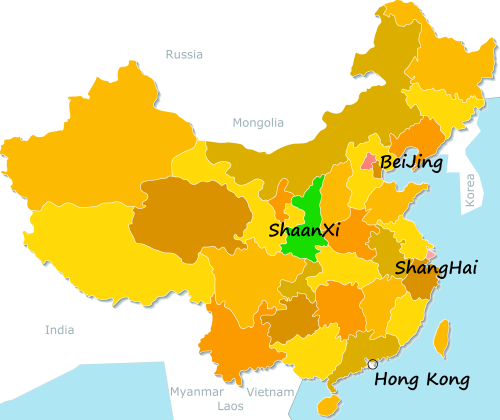
ShaanXi map

Related Videos


Featured Videos

First time in XinJiang – a family trip to Urumqi
With The Hutchinsons ...
The ancient ShanTang River and ShanTang Street, SuZhou, JiangSu province
With Pandaland Villager ... Visitor Guide to ShanTang River and ShanTang Street, SuZhou Overview ShanTang River and ShanTang Street, located in SuZhou, JiangSu Province, are renowned for their picturesque beauty and historical significance. Often referred to as the "Venice of the East," ShanTang Street is a perfect blend of traditional Chinese architecture, serene waterways, and vibrant local culture, making it a must-visit destination. Historical Background of ShanTang River ShanTang River, also known as the "Seven-Li Shantang," was originally constructed in 825 AD during the Tang Dynasty. The construction was overseen by Bai Juyi, a renowned poet and the then governor of SuZhou. The canal was built to connect SuZhou city with HuQiu (Tiger Hill), facilitating trade and transportation while providing a scenic route for travelers. The project was an ambitious undertaking aimed at promoting economic development and improving water management in the region. The construction of the canal also helped to control flooding and provided a reliable source of water for irrigation, which was crucial for local agriculture. Over the centuries, ShanTang River became a vital artery for the transportation of goods and people. It also served as a cultural hub, with the development of markets, temples, and residential areas along its banks. The river and the adjacent ShanTang Street became synonymous with prosperity and cultural richness, attracting scholars, merchants, and artists who contributed to the flourishing of SuZhou. Getting There By Air: The nearest airport is SuZhou Sunan Shuofang International Airport (WUX), located about 40 kilometers from the city center. From the airport, you can take a taxi or a shuttle bus to reach ShanTang Street. By Train: SuZhou Railway Station is well-connected with major cities like Shanghai, HangZhou, and Nanjing. From the station, you can take a local bus or taxi to reach ShanTang Street. By Bus: SuZhou is well-served by long-distance buses from nearby cities. The main bus station in SuZhou is SuZhou North Bus Station, from where you can take a local bus or taxi to ShanTang Street. Getting Around Walking: The best way to explore ShanTang Street is on foot, allowing you to fully appreciate the historical buildings, quaint shops, and beautiful scenery. Boating: Taking a boat ride along the ShanTang River offers a unique perspective of the ancient town and its waterways. Local Transport: Taxis and local buses are available for traveling to and from different parts of SuZhou. Main Attractions ShanTang Street This ancient street, with a history of over 1,100 years, stretches for about 3.5 kilometers along the ShanTang River. It is lined with well-preserved traditional buildings, charming shops, tea houses, and restaurants, offering a delightful walking experience. ShanTang River The ShanTang River is a scenic waterway that flows through the heart of the town. Boat rides along the river provide a tranquil and picturesque journey, showcasing the town's beautiful bridges, ancient buildings, and lush gardens. Pingjiang Road Located nearby, Pingjiang Road is another historic street that complements your visit to ShanTang Street. Known for its classical SuZhou gardens, traditional houses, and cultural sites, it offers a deeper understanding of SuZhou's rich heritage. Baosheng Temple Baosheng Temple, located along ShanTang Street, is a historic Buddhist temple with beautiful architecture and serene gardens. It provides a peaceful retreat and a glimpse into the town's religious heritage. Tiger Hill Just a short distance from ShanTang Street, Tiger Hill is a popular tourist attraction known for its natural beauty, historical sites, and the iconic Yunyan Pagoda, often referred to as the "Leaning Tower of China." Local Cuisine SuZhou's cuisine is known for its delicate flavors and emphasis on fresh, seasonal ingredients. Here are some must-try dishes: Sweet and Sour Mandarin Fish: A signature dish of SuZhou, featuring fresh fish cooked in a sweet and tangy sauce. Squirrel-Shaped Mandarin Fish: A beautifully presented dish with a crispy exterior and tender meat, often served with a sweet and sour sauce. SuZhou Noodles: Hand-pulled noodles served in a rich broth with various toppings, including pork, shrimp, and vegetables. Local Pastries: Try the traditional SuZhou-style mooncakes and other pastries filled with sweet or savory ingredients. Shopping Local Handicrafts: ShanTang Street is famous for its traditional handicrafts, including silk products, embroidery, and paper-cutting. These items make for unique souvenirs. Antique Shops: Explore local antique shops for historical artifacts, vintage items, and collectibles. Tea Houses: Purchase high-quality Chinese tea from the local tea houses along ShanTang Street. Accommodation Traditional Inns: For an authentic experience, consider staying in a traditional inn or guesthouse, which often feature historical architecture and local decor. Mid-Range Hotels: Options such as the SuZhou Garden Hotel and local boutique hotels provide comfortable accommodations at reasonable prices. Luxury Hotels: For a high-end stay, consider hotels like the SuZhou Marriott Hotel or the SuZhou Jinji Lake Grand Hotel, both offering excellent amenities and service. Tips for Visitors Best Time to Visit: The best times to visit ShanTang Street are spring (April to June) and autumn (September to November) when the weather is mild and pleasant. Clothing: Wear comfortable walking shoes and dress in layers to accommodate changing temperatures. An umbrella or raincoat is useful during the rainy season. Respect Local Customs: Be respectful of local customs and traditions. Dress modestly and be mindful of local etiquette, especially when visiting historical and cultural sites. Language: While Mandarin is widely spoken, learning a few basic phrases or using a translation app can be very helpful. Plan Your Visit: ShanTang Street is best explored at a leisurely pace. Take your time to wander through the streets, visit local shops, and enjoy the tranquil atmosphere. Conclusion ShanTang River and ShanTang Street, with their rich history, traditional architecture, and picturesque scenery, offer a unique and memorable travel experience. Whether you're exploring ancient streets, savoring local cuisine, or taking a serene boat ride along the river, ShanTang provides an unforgettable glimpse into SuZhou's past. Plan your visit carefully to make the most of your trip to this charming destination in JiangSu Province.
A poetic celebration of Chinese cultural tradition 🌸🎶
With VisitHenan ... Wan Qian's "The twelve floral deities: Eternal blossoms", from the HeNan Spring Festival Gala 2025:
‘Our first month in HaiNan 海南 (paradise)’ …
Studying in HaiKou 海口, the capital of the island province.
FuZhou city, FuJian province
With Barrett ... Step into Fuzhou, the heart of Fujian Province, where 2,200 years of history blend seamlessly with a modern skyline. From the ancient Three Lanes and Seven Alleys to the majestic Sitan Temple, this city has preserved its Maritime Silk Road legacy while shaping China’s future. Stroll through its winding alleys, witness breathtaking architecture, and discover the legendary Love Heart Tree—a symbol of romance and tradition. Fuzhou Travel Guide Introduction Fuzhou, the capital of Fujian Province, is a historic and culturally rich city with a blend of traditional architecture, modern development, and natural beauty. Known as the "City of Banyans," it is famous for its ancient trees, hot springs, and historical sites. Top Attractions Three Lanes and Seven Alleys (Sanfang Qixiang) A well-preserved historical district with Ming and Qing Dynasty architecture, narrow lanes, and courtyards filled with tea houses, local snacks, and boutique shops. Drum Mountain (Gushan) A scenic area featuring ancient temples, hiking trails, and breathtaking views of the Min River. The famous Yongquan Temple is located here. West Lake Park One of the most beautiful parks in Fuzhou, offering boat rides, classical pavilions, and gardens reminiscent of West Lake in Hangzhou. Pingtan Island A stunning coastal area with pristine beaches, rock formations, and a rich fishing culture. Perfect for those seeking seaside relaxation. Fuzhou National Forest Park A large forest park offering lush greenery, waterfalls, and hiking opportunities. A great escape from the city's hustle. Hot Springs Fuzhou is known for its natural hot springs, with many hotels and resorts offering spa experiences. The most famous is Rongqiao Hot Springs. Local Cuisine Fuzhou cuisine is known for its fresh seafood and mild, slightly sweet flavors. Must-try dishes include: Buddha Jumps Over the Wall – A luxurious soup with seafood, meat, and medicinal herbs. Fish Ball Soup – Handmade fish balls stuffed with meat in a light broth. Litchi Pork – Sweet and sour pork dish resembling the shape of lychee fruit. Fuzhou Noodles – Thin noodles in a flavorful broth, often served with seafood. Best Time to Visit Fuzhou has a subtropical climate, with mild winters and hot, humid summers. The best time to visit is from October to April when the weather is comfortable and ideal for sightseeing. Transportation By Air: Fuzhou Changle International Airport connects the city to major domestic and international destinations. By Train: High-speed trains link Fuzhou to cities like Xiamen, Shanghai, and Beijing. Public Transport: Buses and metro lines make it easy to explore the city. Taxis & Ride-Hailing: Didi and taxis are widely available for convenient travel. Accommodation Fuzhou offers a range of accommodations, from budget hotels to luxury resorts. Recommended areas to stay include the city center near Three Lanes and Seven Alleys, as well as the hot spring district. Conclusion Fuzhou is a fascinating destination with a rich history, beautiful landscapes, and delicious cuisine. Whether you're exploring ancient streets, hiking mountains, or enjoying hot springs, the city offers a diverse and rewarding travel experience.
GuangZhou 广州 in time lapse …
GuangDong province, south east China.
JianZi 毽子 !
A popular pastime in parks all over China. JianZi combines athleticism, balance, coordination and inner calm. It has been played in China since the Han Dynasty (200 BC). The 'shuttlecock' is composed of a number of coin-like metal weights and colored feathers. The first film is from the People's Park in GuangZhou; the second is at the Long Corridor of the Temple of Heaven in BeiJing. The third film shows some masters at play.
Jeffrey Sachs, Scott Ritter, Brian Berletic and Angelo Giuliano on Ukraine, XinJiang, Tibet and more
Bonus films on geopolitics with The New Atlas - Brian Berletic and Angelo Giuliano ...
NanJing 南京 pictorial
Capital of JiangSu province.

Tag search ?