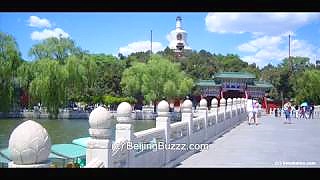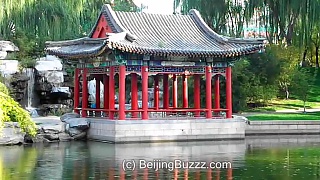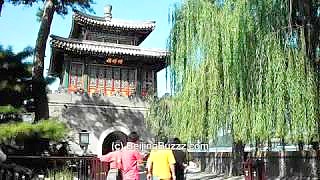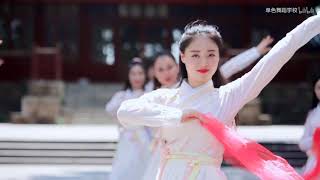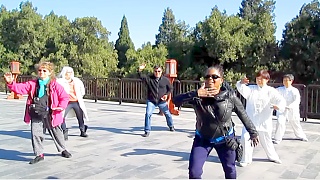
Ribbon dancing in JingShan Park, BeiJing 北京

Filmed in October 2010.


[640],shadow=true,start=,stop=

Beijing, the capital city of China, is a vibrant metropolis steeped in history, culture, and modernity. Here's a brief overview of what you can expect as a tourist in Beijing:

Historical Landmarks:
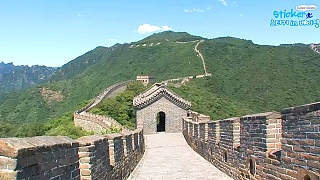
The Great Wall of China: One of the most iconic structures in the world, the Great Wall is easily accessible from Beijing. Mutianyu and Badaling sections are popular among tourists.

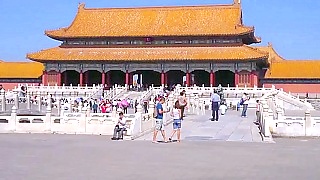
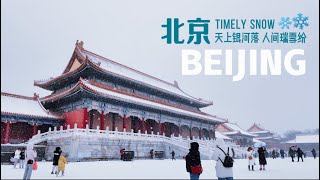
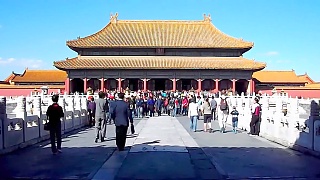
Forbidden City (Palace Museum): A UNESCO World Heritage Site, this vast imperial palace complex was home to Chinese emperors for over 500 years. It houses numerous halls, courtyards, and historical artifacts.

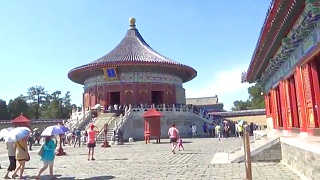
Temple of Heaven: A masterpiece of Chinese architecture, this ancient temple complex served as a place of worship for emperors to pray for good harvests.

Summer Palace: A stunning ensemble of lakes, gardens, and palaces, the Summer Palace served as a retreat for emperors during the Qing dynasty.

Tiananmen Square: One of the largest city squares in the world, Tiananmen Square is flanked by important landmarks such as the Monument to the People's Heroes, the Great Hall of the People, and the Mausoleum of Mao Zedong.

Cultural Sites:
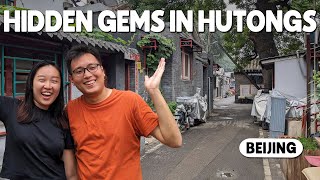
Beijing Hutongs: Explore the narrow alleyways and traditional courtyard residences of Beijing's historic neighborhoods. You can take a rickshaw tour or simply wander around on foot.

Beijing Opera: Experience traditional Chinese opera performances at venues like the Liyuan Theater or the Chang'an Grand Theatre.

798 Art District: A hub of contemporary art and culture, this former industrial area is now home to numerous galleries, studios, and cafes.

Modern Attractions:
Olympic Park: Visit iconic structures such as the Bird's Nest (National Stadium) and the Water Cube (National Aquatics Center) from the 2008 Beijing Olympics.

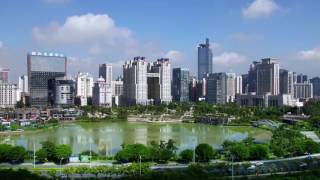
CBD (Central Business District): Marvel at the futuristic skyline of Beijing's modern business district, which includes landmarks like the CCTV Headquarters and the China World Trade Center Tower III.

Culinary Delights:
Peking Duck: Indulge in Beijing's most famous dish, crispy roast duck served with pancakes, scallions, and hoisin sauce.

Street Food: Explore the city's vibrant street food scene and sample local delicacies like jianbing (savory crepes), lamb skewers, and dumplings.

Practical Tips:
Transportation: Beijing has an extensive public transportation system, including the subway, buses, and taxis. However, traffic can be heavy, so plan your travels accordingly.

Language: While English is not widely spoken, especially outside tourist areas, many signs and transportation announcements are in English. It's helpful to carry a translation app or a phrasebook.

Weather: Beijing experiences four distinct seasons, with hot summers and cold winters. The best times to visit are spring (April to June) and autumn (September to October) when the weather is mild and comfortable.

Etiquette: Respect local customs and traditions, such as removing your shoes before entering someone's home and using both hands to pass or receive items.

Beijing offers a rich tapestry of experiences for tourists, blending ancient heritage with modern innovations. Whether you're fascinated by history, culture, or culinary delights, there's something for everyone in this dynamic city.

Related Videos


Featured Videos

First time in China – ChengDu, capital city of SiChuan province
With Ride With Gabi ...
Tibetan Buddhist music and landscape – Alan
Alan Dawa Dolma sings one of the most beautiful Tibetan Buddhist songs called Laydrei (Karma), in her angelic voice ...
JingDeZhen 景德镇 : Why porcelain is commonly known as China
JingDeZhen, in JiangXi province, is known as the Porcelain Capital' because it has been producing pottery for over 1,700 years. JingDeZhen is close to the best quality deposits of petuntse, or porcelain stone, in China, as well as being surrounded by forests, mostly of pine, providing wood for the kilns. It also has river connections flowing both north and south, facilitating transport of the fragile wares. Its best-known high quality porcelain wares have been QingBai in the Song and Yuan dynasties, blue and white porcelain from the 1330s, and the 'famille rose# (and other 'famille' colors) during the Qing dynasty.
DIY wood mold for mooncakes and a special ‘five nut’ recipe
自制模具做月饼 "On Mid-Autumn Festival, I made a wooden mold to make five-nuts mooncake from my childhood memory. When I was young, I love to eat melon seeds, peanuts, crystal sugar in five-nuts mooncake, and occasionally I could eat a bit of sour pericarpium citri reticulatae. When l eat such a five-nuts mooncake again, all the memories come back." 中秋团圆佳节,自己做个月饼模尝试制作儿时的五仁月饼, 小时候最喜欢吃里边的瓜子、花生、冰糖,偶尔还能吃到一丝酸涩的陈皮 当再一次吃到这样的五仁月饼,所有回忆都变得清晰起来。
The beautiful Temple of Heaven 天坛, BeiJing
This film focuses on the three main structures, including the Hall of Prayer for Good Harvests ...
Evening walkabout in ChongQing
With Sun Kissed Bucket List ...
ShaoLin monks performance
Filmed in autumn 2010.
The awesomely beautiful HuangShan 黄山 National Park and Nature Reserve
Join us for a hike through the amazing peaks and valleys of HuangShan (Yellow Mountain) Scenic Area in AnHui province, east China ...
NanXun ancient water town, HuZhou, ZheJiang province
With Little Chinese Everywhere ... NanXun Water Town Travel Guide Introduction Nanxun Water Town, located in Huzhou, Zhejiang Province, is one of the lesser-commercialized and best-preserved ancient water towns in China. Known for its elegant combination of traditional Chinese architecture and Western-style mansions, it offers a peaceful and authentic experience of Jiangnan’s waterways and history. How to Get There From Shanghai: Take a high-speed train to Huzhou (about 1 hour) and then a bus or taxi to Nanxun (around 30 minutes). From Hangzhou: A high-speed train to Huzhou takes about 30 minutes, followed by a local bus or taxi. From Suzhou: A direct bus from Suzhou South Bus Station takes about 1.5 hours. Main Attractions Xiaolian Zhuang (Little Lotus Garden) Originally the private garden of a wealthy merchant, this classical Chinese garden features a picturesque lotus pond, elegant pavilions, and stone bridges. Liu’s Family Compound A grand residence built by one of Nanxun’s richest families, showcasing a mix of European and traditional Chinese architectural styles. Baijian Lou (Hundred Houses Complex) A historic residential area with well-preserved white-walled houses lined along the canals, offering a glimpse into the lives of Nanxun’s past inhabitants. Jiaye Library One of China’s largest and most well-preserved private libraries, built in the late Qing Dynasty. The collection includes thousands of rare books and manuscripts. Ancient Stone Arch Bridges Several beautiful stone bridges span Nanxun’s canals, providing scenic spots for photography and quiet reflection. Things to Do Boat Tour: Take a wooden boat ride through the winding canals to enjoy the tranquil waterside scenery. Local Food: Try Nanxun’s specialties such as rice cakes, braised pork, and freshwater fish. Handicrafts: Visit local workshops to see traditional silk weaving and paper cutting. Photography: Capture the unique blend of old architecture and serene waterways. Best Time to Visit Spring (March-May) and autumn (September-November) offer the most pleasant weather, with blooming flowers and colorful foliage enhancing the town’s beauty. Practical Tips Wear comfortable shoes, as you will be walking along stone pathways and bridges. Early mornings and late afternoons are the best times to explore with fewer tourists and soft lighting. Cash is useful for small shops and local eateries, though some accept mobile payments. Conclusion Nanxun Water Town is a hidden gem offering a peaceful, culturally rich experience. Whether you’re interested in history, architecture, or simply enjoying a scenic getaway, Nanxun is a fantastic destination that retains its authentic charm.

Tag search ?