QingZhou Old Town, ShanDong province 青州古城
With Clare Traveling Pandaland ...

"Join me on a fun adventure through Qingzhou Ancient City, one of China’s hidden gems full of history, culture, and delicious food!

In this vlog, we stroll down the lively Zhaode Ancient Street, explore the tranquil beauty of Ou Garden, admire the unique East-meets-West architecture of the Catholic Church, and step into the spiritual heart of the San Guan Temple. We’ll also visit the Ouyang Xiu Memorial Hall, honoring one of the greatest scholars of the Northern Song Dynasty.

And of course—what’s a trip without food? 🥣 I’ll take you to a local favorite Lamb Soup restaurant, a must-try dish in Qingzhou that locals swear by."

[640],shadow=true,start=,stop=
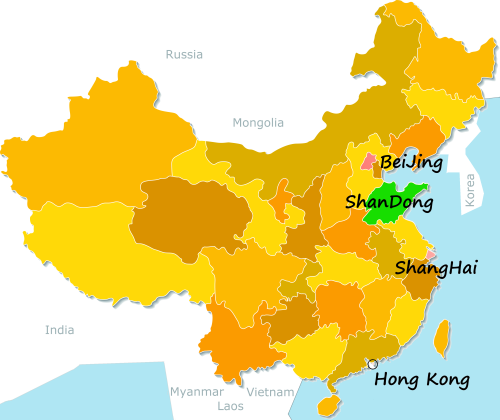
ShanDong map

Related Videos


Featured Videos

Trump’s trade war – May 2019
Mount QingCheng (青城山) and DuJiangYan (都江堰), near ChengDu, SiChuan province
With Char 787 ... With Nick in China ... Visitor Guide: Mount Qingcheng & Dujiangyan Introduction Mount Qingcheng (青城山) and Dujiangyan (都江堰) are two of Sichuan's most famous cultural and natural landmarks. Located near Chengdu, they offer a unique blend of breathtaking scenery, ancient engineering marvels, and deep-rooted Taoist traditions. This guide will help you explore these sites and understand their spiritual significance. Note: Both Mount Qingcheng and Dujiangyan are UNESCO World Heritage Sites, recognized for their cultural and historical importance. Mount Qingcheng (青城山) What to See Shangqing Palace (上清宫): One of the most important Taoist temples on the mountain, Shangqing Palace is a serene place for reflection and meditation. It offers insights into Taoist practices and is surrounded by lush greenery. Tianshi Cave (天师洞): This cave is said to be where Zhang Daoling, the founder of the Way of the Celestial Masters, practiced Taoism. It is a sacred site for Taoist pilgrims. Jianfu Palace (建福宫): A quieter spot on the mountain, Jianfu Palace is perfect for those looking to experience the peacefulness of Taoism in a more secluded environment. Natural Scenery: Mount Qingcheng is known for its dense forests, tranquil pathways, and beautiful mountain views, embodying the Taoist principle of harmony with nature. Activities Hiking: Explore the mountain's many trails, which vary in difficulty. The trails wind through ancient temples, caves, and pavilions, offering both spiritual and physical rejuvenation. Meditation and Tai Chi: Engage in meditation or Tai Chi sessions at various temples, guided by local Taoist practitioners. This is a great way to connect with the spiritual atmosphere of the mountain. Photography: Capture the natural beauty of the mountain, with its misty peaks and verdant landscapes, which are often compared to a classical Chinese painting. Visitor Information Location: About 65 kilometers (40 miles) west of Chengdu. Opening Hours: 8:00 AM - 6:00 PM daily. Best Time to Visit: Spring and autumn offer the best weather for hiking and sightseeing. How to Get There: You can take a high-speed train from Chengdu to Qingchengshan Station, followed by a short bus or taxi ride to the mountain. Dujiangyan (都江堰) What to See Yuzui (鱼嘴): The "Fish Mouth" is the central part of the Dujiangyan irrigation system, where the Min River is split into two channels. It is a marvel of ancient engineering that showcases the Taoist principle of working in harmony with nature. Baopingkou (宝瓶口): This "Bottle-Neck Channel" regulates water flow into the irrigation system, another example of the Taoist-inspired design that emphasizes balance and non-interference. Erwang Temple (二王庙): A temple dedicated to Li Bing and his son, the architects of Dujiangyan. The temple is a place of worship and offers great views of the irrigation system and surrounding mountains. Activities Walking Tours: Explore the ancient irrigation system on foot, with guided tours available to explain the history and engineering behind Dujiangyan. Temple Visits: Participate in traditional ceremonies at Erwang Temple, where you can learn about the spiritual significance of water in Taoism. Boat Rides: Take a boat ride on the Min River to experience the irrigation system from a different perspective and enjoy the scenic views. Visitor Information Location: Approximately 56 kilometers (35 miles) northwest of Chengdu. Opening Hours: 8:00 AM - 6:00 PM daily. Best Time to Visit: Spring and autumn, when the weather is mild and the scenery is at its best. How to Get There: Buses and trains run regularly from Chengdu to Dujiangyan City. From there, local transportation can take you directly to the site. Tips for Visitors Dress Comfortably: Wear comfortable shoes and clothing suitable for hiking and walking. The weather can change quickly, so bring a light jacket. Respect the Culture: When visiting temples, be respectful of religious practices. Quiet reflection is encouraged, and photography may be restricted in certain areas. Stay Hydrated: Bring water, especially during the warmer months. There are also small vendors selling drinks and snacks along the trails. Consider a Guided Tour: Hiring a guide can enhance your experience by providing detailed information about the historical and cultural significance of the sites. Contact Information Mount Qingcheng Visitor Center: +86 28 87288101 Dujiangyan Visitor Center: +86 28 87136100 Tourist Information Hotline: 12301 (China National Tourism Administration)
WuHan city, 2024, HuBei province
With Travel East ... Wuhan Travel Guide Introduction Wuhan, the capital of Hubei province, is a vibrant city known for its rich history, cultural landmarks, and bustling modern life. Located at the intersection of the Yangtze and Han rivers, Wuhan is a major transportation hub and a center for education and industry. This guide will take you through the must-see attractions, local cuisine, cultural highlights, and practical travel tips for visiting Wuhan. Must-See Attractions Yellow Crane Tower (黄鹤楼) The Yellow Crane Tower is one of the most famous landmarks in Wuhan. This historic tower, originally built in 223 AD, offers stunning views of the city and the Yangtze River. It has been rebuilt several times and is now a symbol of Wuhan's cultural heritage. East Lake (东湖) East Lake is the largest urban lake in China, offering beautiful scenery and numerous recreational activities. Visitors can enjoy boating, cycling, and walking along the picturesque lake shores. The area also features botanical gardens, bird sanctuaries, and scenic spots like the Cherry Blossom Park. Hubei Provincial Museum (湖北省博物馆) The Hubei Provincial Museum is a must-visit for history and culture enthusiasts. The museum houses a vast collection of artifacts, including the famous bronze chime bells of the Zenghouyi Tomb, ancient pottery, and relics from various dynasties. The museum provides insight into the rich cultural heritage of Hubei province. Wuhan Yangtze River Bridge (武汉长江大桥) The Wuhan Yangtze River Bridge is the first bridge to span the Yangtze River. Opened in 1957, this engineering marvel connects the Wuchang and Hanyang districts of Wuhan. The bridge offers panoramic views of the river and the city skyline. Guiyuan Buddhist Temple (归元寺) Guiyuan Buddhist Temple is one of Wuhan's most important religious sites. Established in the Qing Dynasty, the temple features beautiful architecture, serene gardens, and a vast collection of Buddha statues. It is a peaceful retreat from the city's hustle and bustle. Local Cuisine Wuhan is famous for its delicious local cuisine, which is characterized by bold flavors and hearty dishes. Here are some must-try foods: Re Gan Mian (热干面) Re Gan Mian, or hot dry noodles, is Wuhan's signature dish. This savory noodle dish is made with sesame paste, soy sauce, garlic, and pickled vegetables. It's a popular breakfast food in Wuhan and a must-try for visitors. Doupi (豆皮) Doupi is a traditional Wuhan snack made from glutinous rice, minced pork, mushrooms, and other ingredients, all wrapped in a bean curd skin and fried until crispy. It's a flavorful and satisfying dish that reflects the city's culinary traditions. Mianwo (面窝) Mianwo is a type of savory fried doughnut made from rice flour and mung beans. These crispy treats are often enjoyed as a breakfast item or snack and are commonly sold by street vendors. Wuchang Fish (武昌鱼) Wuchang Fish is a famous dish from the Wuchang district of Wuhan. The fish is typically steamed with ginger, garlic, and soy sauce, resulting in a tender and flavorful dish that highlights the natural taste of the fish. Cultural Highlights Wuhan University (武汉大学) Wuhan University is one of China's most prestigious universities and is renowned for its beautiful campus. The university is particularly famous for its cherry blossoms, which attract thousands of visitors each spring. The campus also features historic buildings and scenic spots worth exploring. Jiqing Street (吉庆街) Jiqing Street is a lively area known for its street performances, local snacks, and vibrant nightlife. It's a great place to experience the local culture, enjoy live music, and taste a variety of Wuhan's street food offerings. Han Show Theatre (汉秀剧场) The Han Show Theatre is a state-of-the-art performance venue that hosts spectacular shows combining acrobatics, dance, and technology. The theatre itself is an architectural marvel, designed to resemble a Chinese lantern. Practical Travel Tips Best Time to Visit: The best time to visit Wuhan is during the spring (March to May) and autumn (September to November) when the weather is mild and pleasant. Getting Around: Wuhan has an extensive public transportation system, including buses, metro lines, and taxis. The metro is a convenient and efficient way to travel around the city. Language: Mandarin Chinese is the official language, but English is widely spoken in tourist areas. It's helpful to learn a few basic Mandarin phrases. Accommodation: Wuhan offers a wide range of accommodation options, from budget hostels to luxury hotels. Popular areas to stay include Hankou, Wuchang, and Hanyang districts. Health and Safety: Wuhan is generally a safe city for travelers. However, it's always wise to take standard precautions, such as avoiding poorly lit areas at night and keeping an eye on your belongings. Conclusion Wuhan is a dynamic city that seamlessly blends its rich historical heritage with modern urban life. Whether you're exploring its ancient landmarks, savoring its local cuisine, or experiencing its vibrant culture, Wuhan offers a unique and memorable travel experience. Use this guide to make the most of your visit to this fascinating city in Hubei province.
Asian Cultural Festival, 2019
The Birds' Nest, BeiJing ...
Xi’An food tour, ShaanXi province
With Blondie in China. Part 1 - all about 'noodles' (more videos soon) ...
Amazing, beautiful ZhangJiaJie 张家界
In HuNan province. Plus a detailed documentary film. Discover why to the Chinese nature is not just a pretty background, but that human life is rooted in nature; that nature is as a holy text of which we are a part ...
Keto diet and intermittent fasting – an awesome success story
Humans are not designed to eat sugar and refined carbohydrates (more sugar); the illnesses these cause (via insulin resistance) are many and the understanding of the link still not well known. With Dr. Eric Berg and Ghaida ...
Cinnabar ancient town, GuiZhou
WanShou Temple and the BeiJing Art Museum
Bonus film - The WuTa Temple in BeiJing ...

Tag search ?