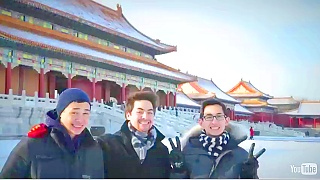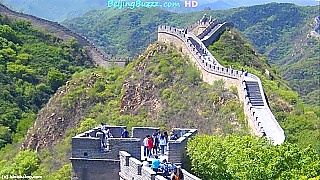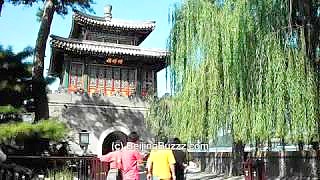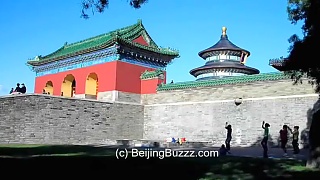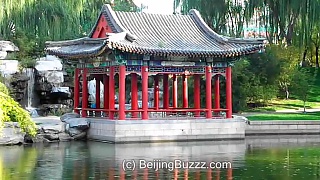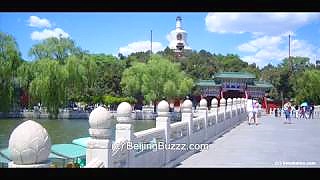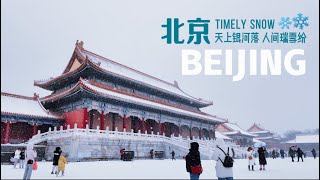
Panorama of Beijing 北京 from JingShan Park

North Beijing from the hill in JingShan Park ...


[640],shadow=true,start=,stop=

Beijing, the capital city of China, is a vibrant metropolis steeped in history, culture, and modernity. Here's a brief overview of what you can expect as a tourist in Beijing:

Historical Landmarks:
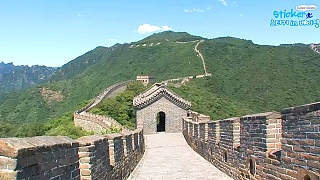
The Great Wall of China: One of the most iconic structures in the world, the Great Wall is easily accessible from Beijing. Mutianyu and Badaling sections are popular among tourists.

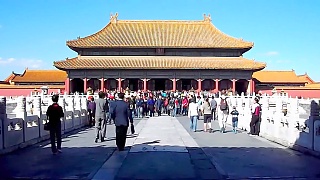
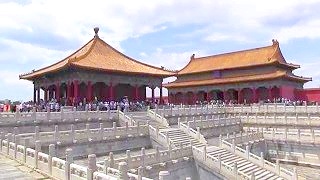
Forbidden City (Palace Museum): A UNESCO World Heritage Site, this vast imperial palace complex was home to Chinese emperors for over 500 years. It houses numerous halls, courtyards, and historical artifacts.

Temple of Heaven: A masterpiece of Chinese architecture, this ancient temple complex served as a place of worship for emperors to pray for good harvests.

Summer Palace: A stunning ensemble of lakes, gardens, and palaces, the Summer Palace served as a retreat for emperors during the Qing dynasty.

Tiananmen Square: One of the largest city squares in the world, Tiananmen Square is flanked by important landmarks such as the Monument to the People's Heroes, the Great Hall of the People, and the Mausoleum of Mao Zedong.

Cultural Sites:
Beijing Hutongs: Explore the narrow alleyways and traditional courtyard residences of Beijing's historic neighborhoods. You can take a rickshaw tour or simply wander around on foot.

Beijing Opera: Experience traditional Chinese opera performances at venues like the Liyuan Theater or the Chang'an Grand Theatre.

798 Art District: A hub of contemporary art and culture, this former industrial area is now home to numerous galleries, studios, and cafes.

Modern Attractions:
Olympic Park: Visit iconic structures such as the Bird's Nest (National Stadium) and the Water Cube (National Aquatics Center) from the 2008 Beijing Olympics.

CBD (Central Business District): Marvel at the futuristic skyline of Beijing's modern business district, which includes landmarks like the CCTV Headquarters and the China World Trade Center Tower III.

Culinary Delights:
Peking Duck: Indulge in Beijing's most famous dish, crispy roast duck served with pancakes, scallions, and hoisin sauce.

Street Food: Explore the city's vibrant street food scene and sample local delicacies like jianbing (savory crepes), lamb skewers, and dumplings.

Practical Tips:
Transportation: Beijing has an extensive public transportation system, including the subway, buses, and taxis. However, traffic can be heavy, so plan your travels accordingly.

Language: While English is not widely spoken, especially outside tourist areas, many signs and transportation announcements are in English. It's helpful to carry a translation app or a phrasebook.

Weather: Beijing experiences four distinct seasons, with hot summers and cold winters. The best times to visit are spring (April to June) and autumn (September to October) when the weather is mild and comfortable.

Etiquette: Respect local customs and traditions, such as removing your shoes before entering someone's home and using both hands to pass or receive items.

Beijing offers a rich tapestry of experiences for tourists, blending ancient heritage with modern innovations. Whether you're fascinated by history, culture, or culinary delights, there's something for everyone in this dynamic city.

Related Videos


Featured Videos

Zi De GuQin Studio – Chinese ancient music
Zide guqin Studio was set up in 2014, it is a creative and versatile team gather the 80s and 90s young artist. Our goal is to promote the excellent traditional culture of Guqin by holding up concerts, making speeches, teaching online, and so on. Since 2017, as the concept of rigorous and scientific teaching methods, Zide has made excellent courses for global guqin lovers in the most economical and convenient way. At present, Zide has served thousands of students from all over the world including the United States, Japan, Australia, and other countries. On the other hand, we have successfully held a series of performances in many countries. The Tianzhen Zide Concert Series is the most popular. All of our videos are produced independently, we sincerely wish the art of Guqin can get into people's lives, and bring peace and happiness. ‘A Ballad in the Moonlight’ - the Story of a Cat Elf on an ancient DunHuang mural ... Sun Quan, the Emperor - rock style, with electric GuQin ... Legend of the Journey to the West 青春同路相伴 一生所爱无悔 ... 'Birdsong in hollow valley', court music style宫廷雅乐风 宋代装束 秦时明月 ... “Daxia2049“- 2021 Zide New Year Concert (live) ... Take you on a magical journey - ShaHaiQiXiaZhi (ZiDe new music) ...
Nine million bicycles in Beijing, but you’re the one I love, most of all
Flashback Thursday. 2011. With youkiame ...
ChongQing 重庆 city
ChongQing lies on the YangTze (YangZi) River in central China, just to the east of SiChuan province, and is one of the world's largest cities. Administratively, it is one of China's four direct-controlled municipalities (the others are Beijing, Shanghai and Tianjin).
The 798 Art District, DaShanZi 大山子, BeiJing – video
Sticker Travel visit 798 at DaShanZi on the outskirts of north east Beijing ...
NanNing 南宁 – beautiful, green city
A taste of China at home : HoiSin sauce
Introduction: Hoisin sauce is a thick, flavorful condiment commonly used in Chinese cuisine as a dipping sauce, marinade, or glaze for meat dishes. While store-bought hoisin sauce is readily available, making it at home allows you to control the ingredients and customize the flavor to your taste preferences. This DIY hoisin sauce recipe is simple to prepare and uses easily sourced ingredients. Ingredients: 1/4 cup soy sauce 2 tablespoons peanut butter (smooth) 1 tablespoon honey or molasses 1 tablespoon rice vinegar or apple cider vinegar 1 clove garlic, minced 1 teaspoon sesame oil 1/2 teaspoon Chinese five-spice powder 1/4 teaspoon black pepper 1/4 teaspoon salt 1/4 teaspoon chili oil or paste, or sriracha or other chili sauce (optional, for heat) Method: Combine Ingredients: In a small bowl, whisk together the soy sauce, peanut butter, honey or molasses, rice vinegar, minced garlic, sesame oil, Chinese five-spice powder, black pepper, and chili paste (if using). Mix until smooth and well combined. Adjust Consistency: If the hoisin sauce is too thick, you can thin it out with a little water or additional soy sauce. If it's too thin, you can add more peanut butter or honey to thicken it to your desired consistency. Taste and Adjust: Taste the hoisin sauce and adjust the seasoning as needed. You can add more soy sauce for saltiness, honey for sweetness, vinegar for acidity, or chili paste for heat, according to your taste preferences. Store: Transfer the homemade hoisin sauce to a clean, airtight container and store it in the refrigerator for up to 2 weeks. Allow the flavors to meld together for at least an hour before using the sauce. Usage Tips: Use homemade hoisin sauce as a dipping sauce for spring rolls, dumplings, or roasted meats. Brush it on grilled chicken, pork, or tofu as a flavorful marinade or glaze. Stir it into stir-fries or noodle dishes for added depth of flavor. Adjust the sweetness, saltiness, and spiciness of the hoisin sauce to suit your taste preferences. Enjoy your homemade hoisin sauce in your favorite Chinese dishes! Hoisin sauce is commonly used as a condiment for Peking Duck. Peking Duck is a famous dish from Beijing (formerly known as Peking), where roasted duck is served with thin pancakes, along with condiments such as hoisin sauce, sliced scallions, and cucumber. When enjoying Peking Duck, diners typically spread hoisin sauce onto a pancake, then add slices of roasted duck, along with some sliced scallions and cucumber. The pancake is then rolled up and eaten as a delicious and flavorful wrap. Hoisin sauce complements the rich, savory flavor of the roasted duck with its sweet, salty, and umami notes. It adds depth and complexity to each bite and enhances the overall dining experience. While hoisin sauce is a key component of Peking Duck, you can also use it as a condiment for other dishes, such as stir-fries, grilled meats, spring rolls, and more. Its versatility makes it a popular choice in Chinese cuisine.
The amazing Terracotta Warriors and Xi’An 西安
In a chance discovery, an entire army of terracotta warriors was found. The first emperor of China had them created and buried with him, to protect him in the afterlife. Construction of this mausoleum began in 246 BC and is believed to have taken about 700,000 workers and craftsmen 38 years to complete.
HuangShan 黄山, the beautiful Yellow Mountain
In AnHui province.
A hiking trip to the beautiful Tiger Leaping Gorge 虎跳峡
The gorge is located about 60 kilometers north of LiJiang in YunNan province.

Tag search ?