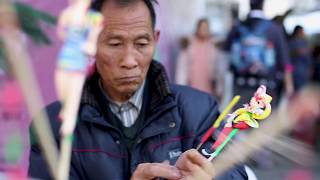
Lion Dance at the Oriental Plaza mall, BeiJing 北京

Film taken October 2009.


[640],shadow=true,start=,stop=

Beijing, the capital city of China, is a vibrant metropolis steeped in history, culture, and modernity. Here's a brief overview of what you can expect as a tourist in Beijing:

Historical Landmarks:
The Great Wall of China: One of the most iconic structures in the world, the Great Wall is easily accessible from Beijing. Mutianyu and Badaling sections are popular among tourists.

Forbidden City (Palace Museum): A UNESCO World Heritage Site, this vast imperial palace complex was home to Chinese emperors for over 500 years. It houses numerous halls, courtyards, and historical artifacts.

Temple of Heaven: A masterpiece of Chinese architecture, this ancient temple complex served as a place of worship for emperors to pray for good harvests.

Summer Palace: A stunning ensemble of lakes, gardens, and palaces, the Summer Palace served as a retreat for emperors during the Qing dynasty.

Tiananmen Square: One of the largest city squares in the world, Tiananmen Square is flanked by important landmarks such as the Monument to the People's Heroes, the Great Hall of the People, and the Mausoleum of Mao Zedong.

Cultural Sites:
Beijing Hutongs: Explore the narrow alleyways and traditional courtyard residences of Beijing's historic neighborhoods. You can take a rickshaw tour or simply wander around on foot.

Beijing Opera: Experience traditional Chinese opera performances at venues like the Liyuan Theater or the Chang'an Grand Theatre.

798 Art District: A hub of contemporary art and culture, this former industrial area is now home to numerous galleries, studios, and cafes.

Modern Attractions:
Olympic Park: Visit iconic structures such as the Bird's Nest (National Stadium) and the Water Cube (National Aquatics Center) from the 2008 Beijing Olympics.

CBD (Central Business District): Marvel at the futuristic skyline of Beijing's modern business district, which includes landmarks like the CCTV Headquarters and the China World Trade Center Tower III.

Culinary Delights:
Peking Duck: Indulge in Beijing's most famous dish, crispy roast duck served with pancakes, scallions, and hoisin sauce.

Street Food: Explore the city's vibrant street food scene and sample local delicacies like jianbing (savory crepes), lamb skewers, and dumplings.

Practical Tips:
Transportation: Beijing has an extensive public transportation system, including the subway, buses, and taxis. However, traffic can be heavy, so plan your travels accordingly.

Language: While English is not widely spoken, especially outside tourist areas, many signs and transportation announcements are in English. It's helpful to carry a translation app or a phrasebook.

Weather: Beijing experiences four distinct seasons, with hot summers and cold winters. The best times to visit are spring (April to June) and autumn (September to October) when the weather is mild and comfortable.

Etiquette: Respect local customs and traditions, such as removing your shoes before entering someone's home and using both hands to pass or receive items.

Beijing offers a rich tapestry of experiences for tourists, blending ancient heritage with modern innovations. Whether you're fascinated by history, culture, or culinary delights, there's something for everyone in this dynamic city.
Related Videos


Featured Videos

The beautiful LiKeng ancient town, JiangXi province – don’t miss it
With Travel In China ... Visitor Guide to LiKeng Ancient Town, JiangXi Province Overview LiKeng Ancient Town, located in Wuyuan County of JiangXi Province, is a picturesque village known for its well-preserved architecture, traditional culture, and beautiful natural scenery. Often referred to as the "most beautiful village in China," LiKeng offers a glimpse into the country's rich history and rural life. Getting There By Air: The nearest airport is Jingdezhen Luojia Airport (JDZ), located about 90 kilometers from LiKeng. From the airport, you can take a bus or taxi to Wuyuan County and then a local bus or taxi to LiKeng. By Train: Wuyuan Railway Station is the closest train station, with connections to major cities like ShangHai, HangZhou, and NanChang. From the station, you can take a taxi or a local bus to LiKeng. By Bus: Long-distance buses are available from nearby cities to Wuyuan County. From Wuyuan County, you can take a local bus or taxi to reach LiKeng. Getting Around Walking: The best way to explore LiKeng is on foot. The village is small and pedestrian-friendly, allowing you to leisurely stroll through its charming streets. Biking: Renting a bicycle is a popular option for exploring the surrounding countryside and nearby attractions. Local Transport: Taxis and local buses are available for traveling to and from nearby towns and attractions. Main Attractions Ancient Architecture LiKeng is renowned for its well-preserved Ming and Qing Dynasty architecture. The traditional wooden houses, stone bridges, and narrow lanes reflect the town's rich history and cultural heritage. Li Family Ancestral Hall The Li Family Ancestral Hall is a significant historical site in LiKeng. It showcases intricate wood carvings, beautiful murals, and traditional Chinese architectural design. Stone Arch Bridges LiKeng is dotted with ancient stone arch bridges that add to its scenic charm. These bridges, with their elegant curves and historical significance, are perfect for photography and leisurely walks. Surrounding Countryside The countryside around LiKeng is known for its lush greenery, terraced fields, and beautiful tea plantations. Exploring the rural landscape offers a peaceful and picturesque experience. Local Cuisine LiKeng's cuisine is characterized by its use of fresh, locally-sourced ingredients and traditional cooking methods. Here are some must-try dishes: Wuyuan Steamed Fish: Fresh fish from the local rivers, steamed with a light seasoning to retain its natural flavors. Rice Wine Chicken: Chicken cooked with local rice wine, creating a tender and flavorful dish. Wild Vegetables: Various wild vegetables picked from the surrounding countryside, often stir-fried or used in soups. Wuyuan Green Tea: Enjoy a cup of locally-produced green tea, known for its fresh taste and health benefits. Shopping Local Handicrafts: LiKeng is known for its traditional handicrafts, including bamboo weaving, pottery, and wood carvings. These items make for unique souvenirs. Tea Shops: Purchase high-quality green tea from local tea shops, which offer a variety of teas produced in the surrounding area. Market Streets: Explore the market streets for local snacks, handmade goods, and other unique items reflecting the town's cultural heritage. Accommodation Traditional Guesthouses: Stay in a traditional guesthouse to experience the local lifestyle. Many guesthouses are located in historical buildings with charming courtyards. Mid-Range Hotels: There are several mid-range hotels in Wuyuan County offering comfortable accommodations with modern amenities. Budget Options: Budget travelers can find affordable lodging in hostels and budget hotels in and around LiKeng. Tips for Visitors Best Time to Visit: The best times to visit LiKeng are spring (March to May) and autumn (September to November) when the weather is mild and the scenery is at its most beautiful. Clothing: Wear comfortable walking shoes and dress in layers to accommodate changing temperatures. An umbrella or raincoat is useful during the rainy season. Respect Local Customs: Be respectful of local customs and traditions. Dress modestly and be mindful of local etiquette, especially when visiting historical and cultural sites. Language: While Mandarin is widely spoken, learning a few basic phrases or using a translation app can be very helpful. Plan Your Visit: LiKeng is best explored at a leisurely pace. Take your time to wander through the streets, visit local shops, and enjoy the tranquil atmosphere. Conclusion LiKeng Ancient Town in JiangXi Province offers a captivating blend of history, culture, and natural beauty. Whether you're exploring its ancient architecture, savoring local cuisine, or simply soaking in the serene atmosphere, LiKeng provides an unforgettable experience. Plan your visit carefully to make the most of your trip to this charming and picturesque village.
Aerial view of the beautiful LaoJunShan Mountain 老君山
Near LuoYang, provincial capital of HeNan, central China. There is a LaoZi Cultural Park near the foot of the mountain and a cable car is available to reach the top. The ancient sage LaoZi (in modern PinYin though one will still also see Lao-Tse or Lao-Tzu) who started Daoism (Taoism) and authored the Dao De Jing (Tao Te Ching), is said to have gained inspiration here around 550 BC. The Dao (道) which roughly translates as 'the way', in the sense of how things are, is a concept that existed in Chinese thought many centuries before LaoZi, but it was LaoZi who developed the concept considerably. Wu Wei (無爲), literally "non-action" or "not acting", is a central concept of the DaoDeJing. The concept of wu wei is multi-faceted, and reflected in the words' multiple meanings, even in English translation; it can mean "not doing anything", "not forcing", "not acting" in the theatrical sense, "creating nothingness", "acting spontaneously", and "flowing with the moment / 'here and now'". It is a concept used to explain ZiRan (自然), or harmony with the Dao. LaoZi used the term broadly with simplicity and humility as key virtues, often in contrast to selfish action. On a political level, it means avoiding such circumstances as war, harsh laws and heavy taxes. The 'ruler' can also refer to the 'self'. There is an overlap here with the Buddha's teachings that suffering stems from attachments and desires, ultimately to the notion of a separate self. In Chinese philosophy, Yin and Yang (陰陽 YīnYáng, "dark—light") describes how opposite or contrary forces are actually complementary, interconnected, and interdependent in the natural world, and how they give rise to each other as they interrelate to one another. While duality is found in many belief systems, Yin and Yang are parts of a Oneness that is also equated with the Dao. Yin and yang can be thought of as complementary (rather than opposing) forces that interact to form a dynamic system in which the whole is greater than the assembled parts; it is a holistic view. Everything has both yin and yang aspects, though either of the two major aspects may manifest more strongly in a particular object, depending on the criterion of the observation. Yin and Yang is a balance between two seeming opposites with a portion of the opposite element in each. Some of LaoZi's famous sayings include: "When goodness is lost, it is replaced by morality." "Without Darkness, there can be no Light." "The usefulness of a pot comes from its emptiness." "The best people are like water, which benefits all things and does not compete with them. It stays in lowly places that others reject. This is why it is so similar to the Way." "When people see some things as beautiful, other things become ugly. When people see some things as good, other things become bad." "Try to change it and you will ruin it. Try to hold it and you will lose it." "Those who know do not say. Those who say do not know." "When you realize there is nothing lacking, the whole world belongs to you." "Nature does not hurry, yet everything is accomplished." "A good traveler has no fixed plans, and is not intent on arriving." "Music in the soul can be heard by the universe." "A journey of a thousand miles starts under one's feet." "The more that laws and regulations are given prominence, the more thieves there will be." Alan Watts - 'The Daoist Way' ...
Summer scenes from BeiJing 北京 (2)
All about Chinese New Year 中国新年
A wide variety of beautiful music from many locations plus informational films on the Chinese New Year. Don't miss it ...
DaLian 大连 city in time-lapse
LiaoNing province.
Chinese New Year eve fireworks !
Gong Xi Ni. Gong Xi Fa Chai :) A happy Spring Festival week to all our visitors, from the BeijingBuzzz team. Videos from Beijing. Enjoy ...
The US Chip War on China – update April 2024
With Inside China Business ...
Mount EMei 峨眉山 scenic area, including the LeShan giant Buddha 乐山大佛
A UNESCO World Heritage site. The first Buddhist temple in China was built here in SiChuan province during the 1st century A.D. in the beautiful surroundings of the Mount Emei and in view of its peak. Over the centuries, the addition of other temples turned the area into one of Buddhism's holiest. The most remarkable - the Giant Buddha at LeShan - was carved out of a hillside in the 8th century and looks down on the confluence of three rivers. At 71 meters in height, it is the largest Buddha in the world.
QingDao city drive, ShanDong province
With Chinese Street View ...

Tag search ?