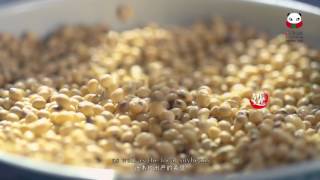
‘Life along the river during the Ching-Ming Festival’

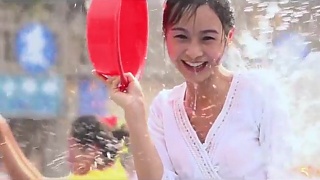
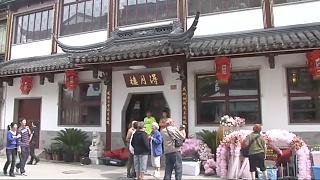
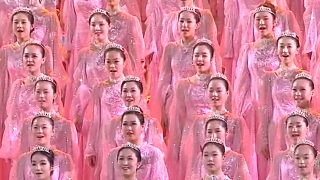
A large animated screen inside the China Pavilion at the Shanghai World Expo.


This screen is an animated version of a famous historical picture scroll called 'Life along the river during the Ching-Ming Festival'. The artist was Zhang ZeDuan (1085-1145) who created the original during the Song dynasty; this is now housed in the Palace Museum and is over 5m wide.


[640],shadow=true,start=,stop=
[320],shadow=true,start=,stop=

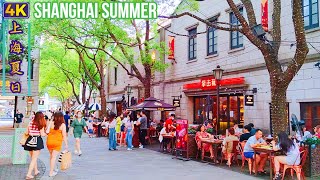
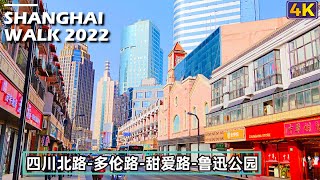
Shanghai is one of China's most dynamic and cosmopolitan cities, blending a rich history with modern skyscrapers and vibrant culture. Here's what you need to know as a tourist visiting Shanghai:

Historical and Cultural Landmarks:
The Bund: This iconic waterfront promenade along the Huangpu River features colonial-era buildings on one side and futuristic skyscrapers on the other, offering stunning views of Shanghai's skyline.

Yu Garden: Dating back to the Ming dynasty, Yu Garden is a classical Chinese garden with pavilions, ponds, and rockeries. The nearby Yu Garden Bazaar is a great place to shop for souvenirs and traditional crafts.

Shanghai Museum: Home to an extensive collection of Chinese art and artifacts, including bronzes, ceramics, paintings, and calligraphy, the Shanghai Museum is a must-visit for history and art enthusiasts.

Jing'an Temple: One of Shanghai's most famous Buddhist temples, Jing'an Temple is known for its beautiful architecture, peaceful atmosphere, and towering golden Buddha statue.

Modern Attractions:
Shanghai Tower: Ascend to the observation deck of this iconic skyscraper, the tallest in China and the second-tallest in the world, for panoramic views of the city.

The Oriental Pearl TV Tower: Another iconic landmark, this futuristic tower offers observation decks, a glass-bottomed skywalk, and a revolving restaurant.

Shanghai Disneyland: Located in the Pudong district, Shanghai Disneyland offers a magical experience for visitors of all ages with its themed lands, attractions, and entertainment.

Shopping and Entertainment:
Nanjing Road: One of the world's busiest shopping streets, Nanjing Road is lined with department stores, boutiques, and restaurants. Don't miss the nearby pedestrian-friendly Nanjing Road East, known for its lively atmosphere and street performers.

Xintiandi: This upscale shopping, dining, and entertainment district features a mix of traditional Shikumen-style buildings and modern amenities, making it a popular destination for locals and tourists alike.

French Concession: Explore this historic neighborhood known for its tree-lined streets, charming cafes, boutiques, and art galleries.

Culinary Delights:
Shanghai Cuisine: Sample local specialties such as xiaolongbao (soup dumplings), shengjianbao (pan-fried dumplings), and Shanghai-style noodles.

Street Food: Wander through the city's bustling food markets and snack streets to taste a variety of street foods, from savory pancakes to grilled skewers.

Practical Tips:
Transportation: Shanghai has an efficient public transportation system, including the subway, buses, and taxis. Consider purchasing a rechargeable transportation card for convenience.

Language: While Mandarin is the official language, English is widely spoken in tourist areas, hotels, and restaurants.

Weather: Shanghai experiences four distinct seasons, with hot, humid summers and chilly winters. The best times to visit are spring (March to May) and autumn (September to November) when the weather is mild and comfortable.

Etiquette: Respect local customs and traditions, such as using polite language and avoiding loud behavior in public places.

Shanghai offers a captivating blend of old and new, with its historic landmarks, modern skyscrapers, vibrant culture, and delectable cuisine. Whether you're interested in history, architecture, shopping, or dining, Shanghai has something to offer every type of visitor.
Related Videos


Featured Videos

Beautiful YangShuo 阳朔, GuangXi province – aerial footage
Jason in GuiYang, capital city of GuiZhou province
With Living in China ... Welcome to GuiYang City Introduction History Top Attractions Nearby Attractions Local Cuisine Visitor Tips Introduction GuiYang is the capital city of GuiZhou Province, located in the southwestern part of China. Known for its lush green landscapes, vibrant ethnic culture, and pleasant climate, GuiYang offers a unique blend of natural beauty and modern city life. The city is a gateway to exploring the diverse cultural and natural attractions of GuiZhou Province. History GuiYang has a rich history dating back to the Yuan Dynasty (1271-1368). Originally a military outpost, the city gradually developed into a cultural and economic hub. Throughout its history, GuiYang has been influenced by various ethnic groups, which is reflected in the city’s diverse culture and traditions. Today, GuiYang is a modern city that still retains much of its historical charm. Top Attractions Qianling Park Qianling Park is one of the most famous parks in GuiYang. It features lush greenery, a serene lake, and Qianling Mountain. The park is also home to Qianling Temple, an ancient Buddhist temple, and the Hongfu Temple, which is perched atop the mountain, offering stunning views of the city. Jiaxiu Pavilion Jiaxiu Pavilion is a historic landmark located on the Nanming River. Built during the Ming Dynasty, the pavilion is known for its elegant architecture and picturesque surroundings. It has become a symbol of GuiYang and is a popular spot for both locals and tourists. Qingyan Ancient Town Qingyan Ancient Town, located just outside of GuiYang, is a well-preserved ancient town that dates back to the Ming Dynasty. The town features traditional stone architecture, narrow streets, and historic sites such as temples, pavilions, and former residences of notable figures. GuiYang Forest Park GuiYang Forest Park is a large urban park that offers a peaceful retreat from the hustle and bustle of city life. The park is known for its dense forests, walking trails, and beautiful ponds. It’s a great place for nature lovers to relax and enjoy outdoor activities. Hebin Park Hebin Park is another popular park in GuiYang, located along the Nanming River. The park is beautifully landscaped and features a variety of gardens, pavilions, and water features. It’s an ideal spot for a leisurely stroll or a family picnic. Renmin Plaza Renmin Plaza is the central square of GuiYang and serves as a focal point for cultural and social activities in the city. The plaza is surrounded by important landmarks, government buildings, and shopping centers, making it a lively and vibrant part of the city. Nearby Attractions Huangguoshu Waterfall Huangguoshu Waterfall, located about 130 kilometers from GuiYang, is one of China’s largest and most famous waterfalls. The waterfall is a spectacular sight, surrounded by lush forests and offering various viewing platforms. It’s a must-visit for nature enthusiasts. Xijiang Qianhu Miao Village Xijiang Qianhu Miao Village is the largest Miao ethnic village in China, located around 200 kilometers from GuiYang. The village is known for its traditional wooden houses, vibrant Miao culture, and stunning terraced fields. Visitors can experience the unique customs, dances, and festivals of the Miao people. Dragon Palace Cave Dragon Palace Cave, located in Anshun city about 120 kilometers from GuiYang, is a magnificent karst cave system. The cave is famous for its underground rivers, waterfalls, and stunning stalactites. Boat tours are available to explore the cave's fascinating formations. Red Maple Lake Red Maple Lake, located about 40 kilometers from GuiYang, is a beautiful scenic spot known for its clear waters, red maple trees, and numerous islands. It’s a perfect destination for boating, fishing, and enjoying the serene natural environment. Local Cuisine GuiYang is famous for its spicy and flavorful cuisine, which is influenced by the region's diverse ethnic groups. A must-try dish is Sour Fish Soup, a local specialty made with fresh fish, chili peppers, and pickled vegetables. Another popular dish is LaZi Ji, a spicy chicken dish. Street food is also abundant in GuiYang, with vendors offering snacks like rice tofu, sticky rice, and barbecued meats. Visitor Tips Best Time to Visit: GuiYang has a mild climate, making it a great destination year-round. However, the best time to visit is during spring and autumn when the weather is pleasant and the natural scenery is at its best. Getting There: GuiYang is well-connected by air, with GuiYang Longdongbao International Airport serving the city. The city is also accessible by high-speed train from major cities like ChengDu and KunMing. Language: Mandarin is the primary language spoken in GuiYang. While English is not widely spoken, you can find some English signs in tourist areas. It’s helpful to learn a few basic Mandarin phrases. Etiquette: When visiting cultural or religious sites, dress modestly and be respectful of local customs and practices.
Spring Festival lights, evening walk in ShangHai
With Wei's Travel ...
Walnuts 核桃 – harvesting and preparing
An open-air, walnut oil based family feast in YunNan province ...
A visit to the beautiful Temple of Heaven 天壇 in BeiJing
JieTai Temple, in the mountains west of BeiJing
NanXun ancient water town, HuZhou, ZheJiang province
With Little Chinese Everywhere ... NanXun Water Town Travel Guide Introduction Nanxun Water Town, located in Huzhou, Zhejiang Province, is one of the lesser-commercialized and best-preserved ancient water towns in China. Known for its elegant combination of traditional Chinese architecture and Western-style mansions, it offers a peaceful and authentic experience of Jiangnan’s waterways and history. How to Get There From Shanghai: Take a high-speed train to Huzhou (about 1 hour) and then a bus or taxi to Nanxun (around 30 minutes). From Hangzhou: A high-speed train to Huzhou takes about 30 minutes, followed by a local bus or taxi. From Suzhou: A direct bus from Suzhou South Bus Station takes about 1.5 hours. Main Attractions Xiaolian Zhuang (Little Lotus Garden) Originally the private garden of a wealthy merchant, this classical Chinese garden features a picturesque lotus pond, elegant pavilions, and stone bridges. Liu’s Family Compound A grand residence built by one of Nanxun’s richest families, showcasing a mix of European and traditional Chinese architectural styles. Baijian Lou (Hundred Houses Complex) A historic residential area with well-preserved white-walled houses lined along the canals, offering a glimpse into the lives of Nanxun’s past inhabitants. Jiaye Library One of China’s largest and most well-preserved private libraries, built in the late Qing Dynasty. The collection includes thousands of rare books and manuscripts. Ancient Stone Arch Bridges Several beautiful stone bridges span Nanxun’s canals, providing scenic spots for photography and quiet reflection. Things to Do Boat Tour: Take a wooden boat ride through the winding canals to enjoy the tranquil waterside scenery. Local Food: Try Nanxun’s specialties such as rice cakes, braised pork, and freshwater fish. Handicrafts: Visit local workshops to see traditional silk weaving and paper cutting. Photography: Capture the unique blend of old architecture and serene waterways. Best Time to Visit Spring (March-May) and autumn (September-November) offer the most pleasant weather, with blooming flowers and colorful foliage enhancing the town’s beauty. Practical Tips Wear comfortable shoes, as you will be walking along stone pathways and bridges. Early mornings and late afternoons are the best times to explore with fewer tourists and soft lighting. Cash is useful for small shops and local eateries, though some accept mobile payments. Conclusion Nanxun Water Town is a hidden gem offering a peaceful, culturally rich experience. Whether you’re interested in history, architecture, or simply enjoying a scenic getaway, Nanxun is a fantastic destination that retains its authentic charm.
12 hours of Chinese music for relaxation, meditation and study
Beautiful GuZheng and flute ...
Something different – Haley Reinhart (music)
Can't help falling in love ... Off the ground ... Radiohead - Creep ... My Baby just cares for me - with Jeff Goldblum ... All about the bass ...

Tag search ?