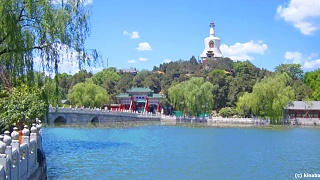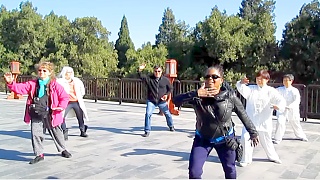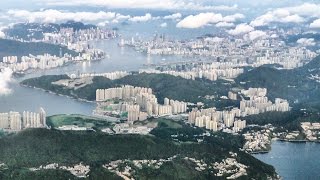
JingShan and BeiHai parks in central Beijing

These two more or less adjacent parks lie just north of the Forbidden City.


[640],shadow=true,start=,stop=

Beijing, the capital city of China, is a vibrant metropolis steeped in history, culture, and modernity. Here's a brief overview of what you can expect as a tourist in Beijing:

Historical Landmarks:
The Great Wall of China: One of the most iconic structures in the world, the Great Wall is easily accessible from Beijing. Mutianyu and Badaling sections are popular among tourists.

Forbidden City (Palace Museum): A UNESCO World Heritage Site, this vast imperial palace complex was home to Chinese emperors for over 500 years. It houses numerous halls, courtyards, and historical artifacts.

Temple of Heaven: A masterpiece of Chinese architecture, this ancient temple complex served as a place of worship for emperors to pray for good harvests.

Summer Palace: A stunning ensemble of lakes, gardens, and palaces, the Summer Palace served as a retreat for emperors during the Qing dynasty.

Tiananmen Square: One of the largest city squares in the world, Tiananmen Square is flanked by important landmarks such as the Monument to the People's Heroes, the Great Hall of the People, and the Mausoleum of Mao Zedong.

Cultural Sites:
Beijing Hutongs: Explore the narrow alleyways and traditional courtyard residences of Beijing's historic neighborhoods. You can take a rickshaw tour or simply wander around on foot.

Beijing Opera: Experience traditional Chinese opera performances at venues like the Liyuan Theater or the Chang'an Grand Theatre.

798 Art District: A hub of contemporary art and culture, this former industrial area is now home to numerous galleries, studios, and cafes.

Modern Attractions:
Olympic Park: Visit iconic structures such as the Bird's Nest (National Stadium) and the Water Cube (National Aquatics Center) from the 2008 Beijing Olympics.

CBD (Central Business District): Marvel at the futuristic skyline of Beijing's modern business district, which includes landmarks like the CCTV Headquarters and the China World Trade Center Tower III.

Culinary Delights:
Peking Duck: Indulge in Beijing's most famous dish, crispy roast duck served with pancakes, scallions, and hoisin sauce.

Street Food: Explore the city's vibrant street food scene and sample local delicacies like jianbing (savory crepes), lamb skewers, and dumplings.

Practical Tips:
Transportation: Beijing has an extensive public transportation system, including the subway, buses, and taxis. However, traffic can be heavy, so plan your travels accordingly.

Language: While English is not widely spoken, especially outside tourist areas, many signs and transportation announcements are in English. It's helpful to carry a translation app or a phrasebook.

Weather: Beijing experiences four distinct seasons, with hot summers and cold winters. The best times to visit are spring (April to June) and autumn (September to October) when the weather is mild and comfortable.

Etiquette: Respect local customs and traditions, such as removing your shoes before entering someone's home and using both hands to pass or receive items.

Beijing offers a rich tapestry of experiences for tourists, blending ancient heritage with modern innovations. Whether you're fascinated by history, culture, or culinary delights, there's something for everyone in this dynamic city.
Related Videos


Featured Videos

Let life be beautiful … music selection …
Sung by Alu Azhou and the Mountain Wind Group 阿鲁阿卓, 山风组合 生如夏花. Inspired by Stray Birds by famous Indian poet Rabindranath Tagore, 1916 (生如夏花之绚烂,死如秋叶之静美 --飞鸟集, 泰戈尔, 1916). Lyrics and Music by PU Shu (朴树). "In this life, we can not stay so long ..." Plus Song of the Surging Water - title song of the 2015 movie Wolf Totem 汪峰 沧浪之歌(《狼图腾》主题曲). Sung by Wang Feng. Lyrics by WANG Feng (汪峰); music by Adam HUANG (HUANG Yong, 黄勇); with Alianuul (Morin Khuur solo) and NING FangLiang (violin solo). "I am broken, but I love flying ..." 鄧紫棋 G.E.M. - 存在_我是歌手第二季 (2014年1月10日) ‘Your Collar’, a haunting, romantic song from the imperial music of the Han Dynasty ... (Life is like a) Warm Spring with Blooming Flowers 春暖花开 (when I am with you) ... If you can, please support this site with a donation; it really does help us keep going ... Thank you from the BeijingBuzzz team !
First time in China – BeiJing
With 2Passports 1Dream ...
Hiking the GongGa mountain trail, SiChuan province
With Men's Journal ... About the GongGa Trail Mount GongGa, also known as Minya Konka, is the highest peak in SiChuan province, China, standing at 7,556 meters (24,790 feet). The Gongga Trail offers a challenging yet rewarding trekking experience, featuring stunning landscapes, glaciers, and traditional Tibetan villages. It is a popular destination for adventurers and nature enthusiasts looking to explore the remote and pristine beauty of the region. Hiking Trails Hailuogou Glacier Park Trail The Hailuogou Glacier Park Trail is one of the most accessible routes on Mount Gongga. It features stunning views of glaciers, hot springs, and lush forests. This trail is suitable for trekkers of all levels and can be completed in 2-3 days. Yulongxi Trail The Yulongxi Trail offers a more challenging trek with breathtaking scenery, including high-altitude lakes, meadows, and snow-capped peaks. This trail takes about 4-5 days to complete and requires a good level of fitness. Kangding to Gongga Monastery Trail This trail starts in Kangding and leads to the Gongga Monastery, providing trekkers with an opportunity to experience local Tibetan culture and stunning natural beauty. The trek takes approximately 5-6 days. Old Chengdu-Kangding Tea-Horse Road This historic trail follows the ancient trade route, offering a blend of cultural and natural attractions. Trekkers can enjoy scenic vistas, traditional villages, and historical sites along the way. The trek can take 7-10 days depending on the chosen route. Famous Guesthouses Hailuogou Grand Hotel Located at the entrance of Hailuogou Glacier Park, Hailuogou Grand Hotel offers comfortable accommodation and easy access to the glacier. It is a great base for starting the trek. Gongga Shan Hotel Situated in Kangding, Gongga Shan Hotel provides modern amenities and a convenient location for trekkers heading towards Mount Gongga. The hotel offers stunning views of the surrounding mountains. Konka International Youth Hostel Located in the town of Luding, Konka International Youth Hostel is popular among backpackers and budget travelers. It offers basic accommodation and a friendly atmosphere. Minya Konka Guesthouse Near the Gongga Monastery, Minya Konka Guesthouse provides an authentic Tibetan experience with traditional architecture and hospitality. It is a perfect stop for trekkers on the Kangding to Gongga Monastery Trail. Transport Mount Gongga and the Gongga Trail are accessible from major cities in Sichuan province. Here are some ways to get there: From Chengdu: Buses and private transfers are available from Chengdu to Kangding, taking approximately 6-7 hours. From Kangding, you can hire a local guide or take a bus to the trailhead. From Kangding: Local buses and taxis can take you to various trailheads, including Hailuogou Glacier Park and Yulongxi. The journey time varies depending on the destination. By Car: Renting a car is a flexible option for those who prefer driving. The roads to Kangding and surrounding areas are well-maintained, offering scenic views along the way.
Martin Jacques on China’s rise / return
In China, the people are family. In the West, the people are merely livestock. As simple as that. As profound as that. Competence and success is the real 'threat'. The old colonial powers are less than 10% of the world's population, yet still clamber to be its master, putting everyone else down, by economic and political sabotage, subversion, proxy wars, etc. 100 years of great shame. If democracy means anything real, the majority of the world must be allowed to have its say, be allowed to grow, be allowed to be. The US imperialist hegemony empire doesn't have 'allies', only slaves, and sees the rest of the world as its plantation. The sheep (Ukraine, Australia, UK, Europe, Taiwan, Japan, S. Korea..) are encouraged to worry about wolves all their lives, but in the end are eaten up by the shepherd. Don't these countries realise that they are possessed, militarily and psychologically. From 2013 (and still true today) ... Bonus film - with Jeffrey Sachs ... With Garland Nixon ...
On the US desperation to use Taiwan to attack the rest of China
With Danny Haiphong and Brian Berletic ...
Beautiful YangShuo 阳朔, GuangXi province – aerial footage
ChengDu Pandas 成都潘达
Panda Kindergarten - ChengDu Panda Base, SiChuan province
New insights on food as medicine
Dr. Rangan Chatterjee in conversation with Dr. William Li ...
9 Days in China 中国 : ShangHai, BeiJing, Xi`An and ZhangJiaJie

Tag search ?