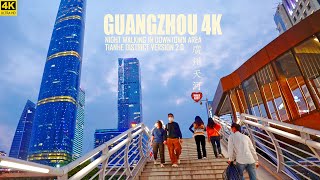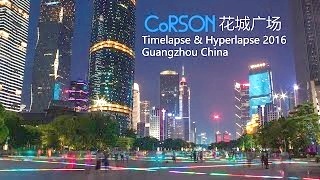
First time in GuangZhou

With Mike & Ashley ...

[640],shadow=true,start=,stop=

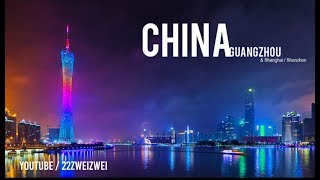
Guangzhou, formerly known as Canton, is a dynamic metropolis located in southern China, serving as the capital of Guangdong Province. As one of China's oldest and largest cities, Guangzhou boasts a rich history, vibrant culture, and modern urban amenities. Here's a guide for tourists visiting Guangzhou:

Historical and Cultural Significance:
Historic Trading Hub: Guangzhou has a long history as a major trading port and commercial center, dating back over 2,000 years. It played a crucial role in the ancient Maritime Silk Road, facilitating trade and cultural exchange between China and other parts of the world.

Cultural Diversity: As a melting pot of cultures, Guangzhou has a diverse population, influenced by various ethnic groups and foreign traders throughout history. This cultural diversity is reflected in the city's cuisine, architecture, and traditions.

Top Attractions:
Canton Tower: As one of the tallest structures in China, the Canton Tower is an iconic landmark and a symbol of Guangzhou's modernity. Visitors can ascend the tower for panoramic views of the cityscape, dine in rotating restaurants, and experience thrilling attractions like the Sky Drop and Bubble Tram.

Yuexiu Park: This expansive park in the heart of Guangzhou is home to several attractions, including the iconic Five-Ram Statue, Zhenhai Tower, and the Guangzhou Museum. Visitors can stroll through lush gardens, admire ancient artifacts, and enjoy recreational activities like boating and tai chi.

Chen Clan Academy: Built during the Qing Dynasty, the Chen Clan Ancestral Hall (also known as the Chen Clan Academy) is a masterpiece of Lingnan architecture. It houses a vast collection of traditional art, wood carvings, and ancestral tablets, offering insights into the region's cultural heritage.

Shamian Island: Located along the Pearl River, Shamian Island is a tranquil oasis with tree-lined streets, colonial-era buildings, and charming cafes. Visitors can wander through the island's historic neighborhoods, admire European-style architecture, and relax by the waterfront.

Guangzhou Opera House: Designed by renowned architect Zaha Hadid, the Guangzhou Opera House is a striking architectural masterpiece that hosts world-class performances and cultural events. Visitors can attend opera, ballet, concerts, and other artistic performances in a stunning modern setting.

Culinary Delights:
Cantonese Cuisine: Guangzhou is famous for its delicious Cantonese cuisine, characterized by fresh seafood, dim sum, roast meats, and flavorful stir-fries. Visitors can sample authentic dishes at local restaurants, street food stalls, and traditional teahouses throughout the city.

Qingping Market: Explore Qingping Market, one of Guangzhou's oldest and largest markets, to experience the vibrant atmosphere and diverse array of local specialties. From exotic fruits and spices to live seafood and herbal remedies, the market offers a sensory feast for visitors.

Practical Tips:
Transportation: Getting around Guangzhou is convenient with its extensive public transportation system, including buses, taxis, and the Guangzhou Metro. The city's efficient transportation network makes it easy to navigate between attractions and neighborhoods.

Language: Mandarin Chinese is the official language spoken in Guangzhou, although Cantonese is also widely spoken by locals. English may not be widely understood, especially in more remote areas, so it's helpful to carry a phrasebook or translation app.

Weather: Guangzhou has a subtropical climate with hot, humid summers and mild winters. The best time to visit is during the cooler months from October to March when the weather is more comfortable for outdoor activities.

Currency: The currency used in China is the Chinese Yuan (CNY). Credit cards are widely accepted at hotels, restaurants, and shops in urban areas, but it's advisable to carry cash for small purchases and transactions.

Guangzhou offers a fascinating blend of ancient history, modernity, and cultural diversity, making it an enchanting destination for tourists seeking to explore the treasures of southern China. Whether marveling at iconic landmarks, savoring Cantonese cuisine, or immersing oneself in the city's vibrant culture, Guangzhou has something to offer for every traveler.
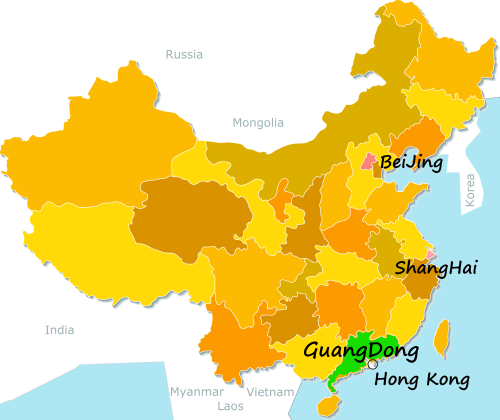

GuangDong map

Related Videos


Featured Videos

China in the world – past, present and future
A talk by Dr. Martin Jacques in Singapore ...
The beautiful ShuangLang ancient town, ErHai Lake, DaLi, YunNan province
With Walk China ... Introduction ShuangLang ancient town is a charming and picturesque village located on the eastern shore of ErHai Lake, DaLi, Yunnan province. Known for its tranquil lakeside scenery, traditional Bai architecture, and vibrant arts scene, Shuanglang is an ideal destination for those looking to experience the natural beauty and cultural richness of the region. Getting There By Air: The nearest airport is Dali Airport (DLU). From the airport, you can take a bus or hire a taxi to Shuanglang, which is about 50 km away. By Train: The nearest major train station is in Dali. From Dali, you can take a bus or taxi to Shuanglang, which takes about an hour. By Bus: Direct buses run from Dali Ancient Town to Shuanglang, providing a convenient and scenic route along Erhai Lake. Best Time to Visit The best time to visit Shuanglang is during the spring (March to May) and autumn (September to November) when the weather is mild and pleasant. Summers can be hot and rainy, while winters are cooler but still enjoyable for sightseeing. Main Attractions Erhai Lake: Shuanglang is situated on the shores of Erhai Lake, offering stunning views and opportunities for boating, cycling, and lakeside walks. Moon Palace: A popular landmark in Shuanglang, the Moon Palace is known for its beautiful architecture and panoramic views of Erhai Lake. Yuji Island: Accessible by boat, this small island is home to a variety of art galleries, cafes, and boutique shops, making it a great spot for a day trip. Jinsuo Island: Another nearby island worth visiting, known for its traditional Bai village and tranquil atmosphere. Benzhu Temple: A historic temple dedicated to local deities, providing insight into the spiritual and cultural heritage of the Bai people. Cultural Highlights Bai Ethnic Culture: Shuanglang is predominantly inhabited by the Bai ethnic group. Explore their unique customs, traditional Bai houses, and vibrant festivals. Art and Craft: Shuanglang is known for its thriving arts scene. Visit local art galleries, workshops, and boutiques to see the work of local artists and artisans. Local Festivals: Experience traditional Bai festivals such as the Third Month Fair and the Torch Festival, which feature music, dance, and local cuisine. Accommodation Shuanglang offers a range of accommodation options, from luxury boutique hotels to budget-friendly guesthouses. Some recommended places to stay include: Sky Valley Heritage Boutique Hotel: A luxury hotel offering stunning views of Erhai Lake and elegant, traditionally designed rooms. Sea & Moon Inn: A mid-range hotel with comfortable rooms and a beautiful lakeside location. Shuanglang Daxie Homestay: A budget-friendly guesthouse providing a cozy and authentic experience of local hospitality. Dining Local Cuisine: Shuanglang is known for its fresh lake fish, traditional Bai dishes, and local specialties. Don't miss trying Erhai Lake fish hotpot, Bai-style grilled fish, and various wild mushroom dishes. Restaurants: Recommended eateries include Spring of Small Town, Qingyu Restaurant, and Yixiangxuan Restaurant. Conclusion Shuanglang Ancient Town offers a serene and culturally enriching travel experience. Whether you're exploring the scenic shores of Erhai Lake, delving into the rich Bai culture, or simply relaxing in a lakeside café, Shuanglang promises a memorable and peaceful retreat.
A trip to ‘The Place’, BeiJing 北京
The Place is a shopping and leisure center in the north of the CBD district. Take a late evening ride from GuoMao along the east 3rd ring; DaWang Lu to YongAnLi.
YangShuo 阳朔 – ‘my kind of adventure’
GuangXi province ...
Mount EMei 峨眉山 scenic area, including the LeShan giant Buddha 乐山大佛
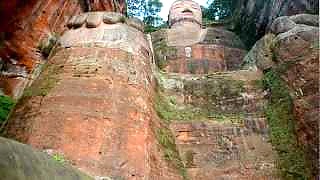
A UNESCO World Heritage site. The first Buddhist temple in China was built here in SiChuan province during the 1st century A.D. in the beautiful surroundings of the Mount Emei and in view of its peak. Over the centuries, the addition of other temples turned the area into one of Buddhism's holiest. The most remarkable - the Giant Buddha at LeShan - was carved out of a hillside in the 8th century and looks down on the confluence of three rivers. At 71 meters in height, it is the largest Buddha in the world.
This is beautiful XiShuangBanNa 西双版纳傣族自治州, YunNan province
XiShuangBanNa located in the south of YunNan province, south China, is a charming international eco-tourism resort on the reaches of the Mekong river (known as the LanCang river in China), bordering with Laos and Myanmar, and adjacent to Thailand, Vietnam and Cambodia. Esteemed for its captivating tropical landscapes and exotic cultures of the 13 native minorities, this land is home to China's largest tropical rainforest and abundant biological resources, and the Dai Water Splashing Festival (which lasts for three days from April 13 to 15). The Six Famous Tea Mountains region, 六大茶山 (Liù Dà Chá Shān) produce some of the most highly regarded Pu-Er tea. There are daily flights from KunMing, DaLi and ChengDu.
The extraordinary Emei Shan, SiChuan province
With This Is SiChuan ... Mount Emei Visitor Guide: Natural Beauty & Practical Travel Tips Mount Emei (Emei Shan), located in Sichuan Province, is one of China's Four Sacred Buddhist Mountains and a UNESCO World Heritage Site. With its mist-shrouded peaks, ancient temples, rich biodiversity, and cultural significance, it is a popular pilgrimage site and a destination for nature lovers and history enthusiasts. This guide will help you explore Mount Emei’s natural beauty while providing practical travel advice for a seamless visit. Golden Summit (Jinding) Overview: The Golden Summit is the highest point on Mount Emei, offering spectacular views, including the famous "Sea of Clouds." At an elevation of 3,077 meters, the summit is a spiritual hub for Buddhists, with the massive statue of Samantabhadra Bodhisattva serving as a highlight for visitors. Key Highlights: Golden Buddha Statue: The 48-meter tall statue of Samantabhadra Bodhisattva with ten faces is a stunning work of art, representing the mount's spiritual significance. Sea of Clouds: On clear mornings, you can witness the mesmerizing "Sea of Clouds" phenomenon, where the clouds form a dense layer beneath the summit. Sunrise & Sunset: Watching the sunrise or sunset from the Golden Summit is a breathtaking experience, as the sky turns vibrant shades of orange and pink. Travel Tip: Be prepared for the altitude by wearing warm clothing, especially in the early morning or evening. It’s recommended to take the cable car from Leidongping to save energy, but hikers can also make the journey on foot. Baoguo Temple Area Overview: Baoguo Temple is the starting point for most visitors to Mount Emei. Located at the base of the mountain, this area is home to one of the most important temples and serves as a hub for those preparing to explore the mountain. Key Highlights: Baoguo Temple: Built during the Ming Dynasty, this temple is dedicated to the worship of various Buddhist deities. It is an excellent place to start learning about the religious history of Mount Emei. Emei Buddhist Cultural Museum: Located within the temple grounds, this museum provides insight into the history of Buddhism in the region, along with relics and artwork. Travel Tip: Baoguo Temple is a peaceful place to begin your ascent. The surrounding area has plenty of accommodation options for all budgets, making it a convenient base for longer stays. Wannian Temple (Ten-Thousand-Year Temple) Overview: One of the oldest and most significant temples on Mount Emei, Wannian Temple dates back over 1,600 years. The temple is perched on the mountainside and offers great views as well as a peaceful environment for meditation and reflection. Key Highlights: Bronze Statue of Samantabhadra Bodhisattva: The temple houses a famous bronze statue of Samantabhadra riding an elephant, which is a major draw for pilgrims. Surrounding Trails: The area around Wannian Temple is filled with scenic trails that offer opportunities to explore the mountain’s flora and fauna. Travel Tip: Visitors can either hike to Wannian Temple or take the cable car from Wuxiangang Parking Lot. The trails offer stunning views but can be steep, so bring appropriate footwear. Qingyin Pavilion Overview: Qingyin Pavilion is a tranquil spot located halfway up Mount Emei, offering a place for rest and meditation. Surrounded by lush forests, clear streams, and waterfalls, it is an ideal location to experience the natural beauty and serene atmosphere of the mountain. Key Highlights: Scenic Bridges: The twin bridges crossing the crystal-clear waters are perfect for photos, and the sound of the running stream adds to the pavilion’s peaceful ambiance. Washing Elephant Pool: Located nearby, this sacred pool is associated with Buddhist mythology and is a quiet spot for reflection. Travel Tip: This is an ideal resting spot for those hiking up the mountain. There are small tea houses nearby where you can relax and enjoy the scenery. Consider visiting early in the morning to avoid crowds. Monkeys of Mount Emei Overview: The Tibetan macaques are a famous and sometimes mischievous presence on Mount Emei. These monkeys roam freely across the mountain and are often found near tourist areas. While they can be entertaining to watch, visitors should take care as the monkeys may attempt to snatch food or belongings. Key Highlights: Monkey Eco-Zone: Located along the main hiking trail, this area is where the monkeys are most active. Visitors can observe them up close but should avoid direct interaction. Travel Tip: Keep your belongings secure and do not feed the monkeys, as they can become aggressive. Stick to designated paths and follow the advice of local guides or staff to stay safe. Practical Travel Information for Mount Emei When to Visit The best time to visit Mount Emei is from April to October, when the weather is mild, and the views are clear. Spring (April-May) offers blooming flowers, while autumn (September-October) provides colorful foliage. Winter visits are also possible, especially for those interested in snow-covered landscapes, but be prepared for cold conditions at higher altitudes. Getting to Mount Emei By Air: The closest airport is Chengdu Shuangliu International Airport, located about 150 kilometers away. From Chengdu, visitors can take a train or bus to Emeishan City. By Train: The high-speed train from Chengdu to Emeishan Station takes about 1.5 hours. From the station, visitors can take a local bus or taxi to the Baoguo Temple area, the starting point for exploring Mount Emei. By Bus: Regular buses run from Chengdu’s Xinnanmen Bus Station to Emeishan City, with a journey time of approximately 2 hours. Accommodation Visitors can stay in Emeishan City or in the Baoguo Temple area, which has a variety of accommodations, including hotels, guesthouses, and hostels. For those wishing to stay on the mountain itself, there are guesthouses and monasteries offering simple lodging for a more immersive experience. Booking in advance is recommended during peak seasons. Cultural Sensitivity As Mount Emei is a sacred Buddhist site, visitors should show respect when visiting temples and monasteries. Modest clothing is recommended, and it’s important to be mindful of local customs, especially when interacting with monks or pilgrims. Refrain from taking photos in sacred spaces unless permission is explicitly granted. Food and Dining Sichuan cuisine is renowned for its bold, spicy flavors. In Emeishan, you can find local dishes such as hotpot, mapo tofu, and various noodle dishes. For a unique experience, try the vegetarian meals offered at the mountain's temples, which are simple yet flavorful and often include locally sourced ingredients. Important Note: Always carry your passport and tickets when visiting the mountain, especially for entrance to the different scenic areas and cable cars. Suggested Itinerary for Exploring Mount Emei Day 1: Arrive in Emeishan City, visit Baoguo Temple, and relax in the hot springs nearby. Day 2: Hike or take the cable car to the Golden Summit for sunrise. Explore the summit area before descending to Wannian Temple. Day 3: Spend the day exploring Qingyin Pavilion and the Monkey Eco-Zone. Enjoy a tea break at a mountain tea house before returning to Emeishan City.
YuJa Wang, classical concert pianist from BeiJing
Last post of 2021
Each year, we up the quality. At BB, it's always about quality, not quantity. Variety, certainly, but not quantity. Last videos of 2021 - with PopMatta ... One needs to look out for Serpent / Laowai v.2, and not get duped; see through the disguises (devil dressed as a dove); it is for sure that they are out there ... Geo-politics is a mine-field. Be aware of it; but don't let it dull your mind. Let love, creativity and calm be the air that you breathe. The world is doomed to destruction; the vast majority do indeed vastly outnumber the zealots, but in the West, though the people are by and large brainwashed, for sure, most will ever be too dumb to realize it. Plus, western culture has bred a large proportion of narcissists, devoid of empathy and compassion. Extreme individualism ensures ultimate catastrophe. Once extinction becomes possible, it becomes inevitable. The power of annihilation grows much faster than general IQ/EQ; hence the 'great silence' in the universe. While the Earth is still here, live life to the fullest, each remaining day. The tragedy will play out over and over for eternity; don't waste much time on thinking about it. *** All one needs to know is ... We are all one family; but some in the West just want division, control and power - and that's not family - that's hate; 'divide and rule' (elitism / colonialism / imperialism / hegemony). The difference between China and the West ? It is simply, and profoundly, this : For China, the people are family. For the West, the people are livestock. For China, the people are family; not just Chinese, but all people. For the West (the 'elite'), the people are merely livestock. All the best for the year ahead, from BeiJingBuzzz. Keep it real. Live more ...

Tag search ?