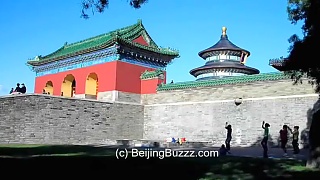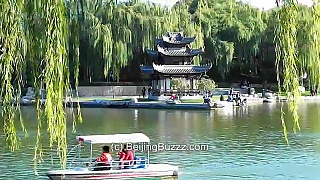
Dancing in JingShan Park 景山公园, BeiJing

Filmed in November 2010.


[640],shadow=true,start=,stop=

Beijing, the capital city of China, is a vibrant metropolis steeped in history, culture, and modernity. Here's a brief overview of what you can expect as a tourist in Beijing:

Historical Landmarks:
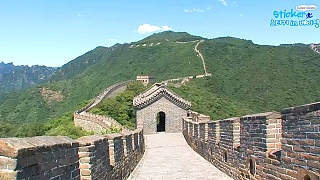
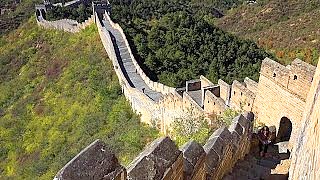
The Great Wall of China: One of the most iconic structures in the world, the Great Wall is easily accessible from Beijing. Mutianyu and Badaling sections are popular among tourists.

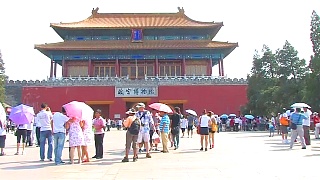
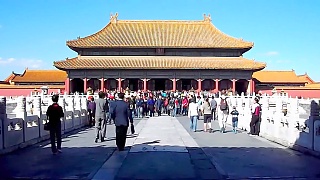
Forbidden City (Palace Museum): A UNESCO World Heritage Site, this vast imperial palace complex was home to Chinese emperors for over 500 years. It houses numerous halls, courtyards, and historical artifacts.

Temple of Heaven: A masterpiece of Chinese architecture, this ancient temple complex served as a place of worship for emperors to pray for good harvests.

Summer Palace: A stunning ensemble of lakes, gardens, and palaces, the Summer Palace served as a retreat for emperors during the Qing dynasty.

Tiananmen Square: One of the largest city squares in the world, Tiananmen Square is flanked by important landmarks such as the Monument to the People's Heroes, the Great Hall of the People, and the Mausoleum of Mao Zedong.

Cultural Sites:
Beijing Hutongs: Explore the narrow alleyways and traditional courtyard residences of Beijing's historic neighborhoods. You can take a rickshaw tour or simply wander around on foot.

Beijing Opera: Experience traditional Chinese opera performances at venues like the Liyuan Theater or the Chang'an Grand Theatre.

798 Art District: A hub of contemporary art and culture, this former industrial area is now home to numerous galleries, studios, and cafes.

Modern Attractions:
Olympic Park: Visit iconic structures such as the Bird's Nest (National Stadium) and the Water Cube (National Aquatics Center) from the 2008 Beijing Olympics.

CBD (Central Business District): Marvel at the futuristic skyline of Beijing's modern business district, which includes landmarks like the CCTV Headquarters and the China World Trade Center Tower III.

Culinary Delights:
Peking Duck: Indulge in Beijing's most famous dish, crispy roast duck served with pancakes, scallions, and hoisin sauce.

Street Food: Explore the city's vibrant street food scene and sample local delicacies like jianbing (savory crepes), lamb skewers, and dumplings.

Practical Tips:
Transportation: Beijing has an extensive public transportation system, including the subway, buses, and taxis. However, traffic can be heavy, so plan your travels accordingly.

Language: While English is not widely spoken, especially outside tourist areas, many signs and transportation announcements are in English. It's helpful to carry a translation app or a phrasebook.

Weather: Beijing experiences four distinct seasons, with hot summers and cold winters. The best times to visit are spring (April to June) and autumn (September to October) when the weather is mild and comfortable.

Etiquette: Respect local customs and traditions, such as removing your shoes before entering someone's home and using both hands to pass or receive items.

Beijing offers a rich tapestry of experiences for tourists, blending ancient heritage with modern innovations. Whether you're fascinated by history, culture, or culinary delights, there's something for everyone in this dynamic city.
Related Videos


Featured Videos

Autumn pomelos
A citrus fruit native to east asia that is related to the grapefruit. With DianXi XiaoGe ... Bonus film - the versatile Chinese onion ...
NanNing, capital city of GuangXi province
With DuckTravel ... With Walk East ... With Chao's Travel Log ..
Breakfast in WuHan, HuBei province  : )
With How To Do? In China ... Bonus film - my 9-5 work day, back home in NingBo ...
The beautiful Humble Administrator’s Garden in SuZhou, JiangSu province
With Lulu's Daily In China ... Humble Administrator's Garden Visitor Guide Overview The Humble Administrator's Garden, located in SuZhou, JiangSu province, is one of the most famous classical gardens in China. Built in the early 16th century during the Ming Dynasty, this garden is a masterpiece of Chinese landscape design, featuring beautiful pavilions, serene ponds, lush greenery, and exquisite rock formations. It is a UNESCO World Heritage Site and a must-visit destination for anyone interested in traditional Chinese garden art. History The garden was originally created by Wang XianChen, a retired government official, who sought to design a peaceful retreat for himself. Over the centuries, the garden changed hands multiple times, undergoing various renovations and expansions. Despite these changes, the garden has retained its original layout and classical elements, reflecting the aesthetics and philosophical principles of traditional Chinese gardens. Main Attractions Central Garden The Central Garden is the heart of the Humble Administrator's Garden, featuring a large pond surrounded by lush plants, winding paths, and elegant pavilions. Key highlights include: Lotus Pavilion: A beautiful structure overlooking the pond, offering a tranquil spot to enjoy the view of blooming lotus flowers in summer. Hall of Distant Fragrance: Named after the lotus flowers whose fragrance can be smelled from afar, this hall is one of the garden's main buildings, known for its elegant design. Eastern Garden The Eastern Garden features a series of smaller ponds, rockeries, and pavilions, creating a more intimate and secluded atmosphere. Notable features include: Small Flying Rainbow Bridge: A charming stone bridge that arches gracefully over a small pond. Hall of 36 Mandarin Ducks: Named after the mandarin ducks often seen in Chinese art, this hall offers picturesque views of the surrounding landscape. Western Garden The Western Garden is characterized by its open spaces and carefully arranged rockeries and plantings. Highlights include: Hall of the Thirty-Six Mandarin Ducks: Featuring beautiful carvings and a serene ambiance. GuanYun Peak: A striking rock formation representing a mountain peak, showcasing the garden's sophisticated use of stones. Architecture and Design The Humble Administrator's Garden exemplifies the principles of traditional Chinese garden design, which seeks to create harmony between nature and human-made structures. The garden's architecture and layout incorporate the following elements: Water Features: Ponds and streams are central to the garden's design, reflecting the sky and surrounding plants, and adding a sense of tranquility. Rockeries: Carefully arranged rocks and rock formations symbolize mountains and add a dynamic visual element to the landscape. Pavilions and Halls: These structures provide spaces for relaxation and contemplation, offering various perspectives of the garden. Plantings: A diverse array of plants, including bamboo, lotus, and seasonal flowers, enhance the garden's beauty and symbolize different virtues and qualities. Visiting Tips Best Time to Visit: The garden is beautiful year-round, but spring and summer are particularly lovely when flowers are in bloom. Autumn offers stunning foliage, and winter provides a peaceful, serene atmosphere. Opening Hours: The garden is open daily from 7:30 AM to 5:30 PM (hours may vary seasonally). Getting There: The garden is located in the heart of SuZhou and is easily accessible by public transportation or taxi. The nearest metro station is Lindun Road Station (Line 1). Guided Tours: Consider hiring a local guide or joining a guided tour to gain deeper insights into the garden's history, architecture, and cultural significance. Photography: The garden offers countless photo opportunities. Be sure to bring your camera and take your time capturing the beauty of the landscape. Respect the Environment: Help preserve the garden by not picking flowers, climbing on rocks, or littering. Respect the tranquility of the space and other visitors.
A guide to visiting HuaShan, ShaanXi province
Mount Hua, or HuaShan, is one of China's Five Great Mountains, renowned for its steep trails, breathtaking views, and significant Taoist history. Located in Shaanxi Province, near the city of Huayin, Huashan attracts adventurers and pilgrims alike. This guide provides an in-depth look at the best attractions, activities, and tips for visiting Huashan. Top Attractions The Five Peaks of Huashan Mount Hua consists of five main peaks, each offering unique scenery and experiences: East Peak (Zhaoyang Peak): Known as the "Sunrise Peak," it is the best spot to watch the sunrise. West Peak (Lianhua Peak): Also called the "Lotus Peak," it is famous for its striking rock formations that resemble a lotus flower. South Peak (Luoyan Peak): The highest of the five peaks at 2,154 meters, offering panoramic views. North Peak (Yuntai Peak): Known as the "Cloud Terrace Peak," it serves as the starting point for many hikes. Central Peak (Yunv Peak): Also known as the "Jade Maiden Peak," it is named after a Taoist legend. Huashan Plank Walk The Huashan Plank Walk is one of the most thrilling attractions on the mountain. The narrow wooden walkway is attached to the sheer cliff face of the South Peak, offering an adrenaline-pumping experience and stunning views. Chess Pavilion Perched on a precarious rock, the Chess Pavilion is a small structure with legendary associations. According to legend, it is where a deity played chess with a mortal. Taoist Temples Mount Hua is home to several ancient Taoist temples, including the Jade Spring Temple at the base of the mountain and the Yuquan Temple. These temples are important pilgrimage sites and offer a glimpse into the mountain's spiritual significance. Geology of Huashan Mount Hua is part of the Qinling Mountain range and is primarily composed of granite. The mountain's distinctive steep slopes and sharp peaks are the result of tectonic uplift and erosion over millions of years. The granite rock faces provide both a dramatic landscape and a challenging environment for climbers. Touring Huashan Planning Your Visit Visiting Huashan requires careful planning due to its challenging terrain and the variety of routes available. A typical visit can take one to two days, depending on the routes and peaks you choose to explore. Here is a suggested itinerary: Day 1: North Peak and the Plank Walk Morning: Take the cable car from the East Gate to the North Peak. Spend the morning exploring the North Peak and its surrounding trails. Afternoon: Head towards the South Peak for the Huashan Plank Walk. Ensure you have the proper safety gear and follow all safety instructions. Evening: Consider spending the night on the mountain at one of the guesthouses or temples to experience the sunrise from one of the peaks. Day 2: The Five Peaks Early Morning: Watch the sunrise from the East Peak. Mid-Morning: Hike to the Central Peak, then continue to the West Peak to see the Lotus Flower Rock. Afternoon: Ascend to the South Peak, the highest peak, for panoramic views. Descend back to the North Peak and take the cable car down. Activities and Experiences Hiking Huashan offers challenging hikes with rewarding views. Trails are steep and can be narrow, requiring a good level of fitness and caution. Popular routes include the ascent from the East Gate to the North Peak and the circular route covering the five peaks. Photography The dramatic landscapes of Huashan provide excellent opportunities for photography. Key spots include the sunrise from the East Peak, the Plank Walk on the South Peak, and the panoramic views from the highest point. Local Cuisine After a day of hiking, try local Shaanxi cuisine, known for its hearty and flavorful dishes. Specialties include biangbiang noodles, roujiamo (Chinese hamburger), and various dumplings. There are several restaurants and food stalls at the base of the mountain and near the East Gate. Travel Tips Best Time to Visit The best times to visit Huashan are spring (April to June) and autumn (September to November) when the weather is mild and the views are clear. Summer can be hot and crowded, while winter can be cold and snowy, making some trails hazardous. Getting There Huashan is accessible by train, bus, and car. The nearest major city is Xi'an, from where you can take a high-speed train to Huashan North Railway Station. From there, shuttle buses or taxis can take you to the mountain's entrances. Accommodation Accommodation options range from budget hostels to mid-range hotels in Huayin City. For a unique experience, consider staying overnight on the mountain in a guesthouse or temple. This allows you to catch the sunrise from one of the peaks. Tickets and Passes Purchase entrance tickets at the mountain's gates. There are separate tickets for the cable cars and the Plank Walk. Consider buying a multi-day pass if you plan to explore all five peaks. Guides and Tours Hiring a local guide can enhance your experience by providing insights into the mountain's history, culture, and geology. Many tour operators offer packages that include transportation, tickets, and guided tours.
Dance of the Silk Road and Long Long Ago …
Plus, Gong LinNa with a beautiful new song : Xiao He Tang Shui 小河淌水 ...
Something different – The Barberettes (music)
Korean vocal girl group. Be My Baby - The Ronettes ... Barbara Ann - Beach Boys ... Summer Love ...
This is BeiHai 北海 city, GuangXi province
With Valeriy Blank ...
ChengDu 成都, provincial capital of SiChuan

Tag search ?