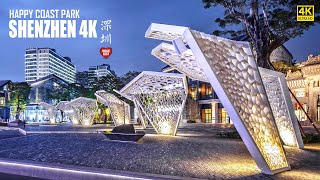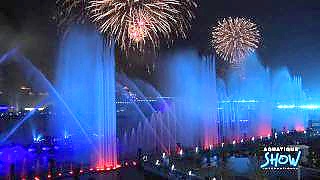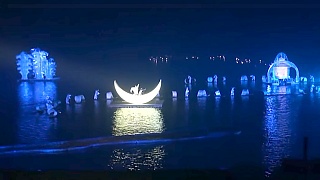
Dance performances at the Splendid China Park, 深圳

Filmed in January 2010.


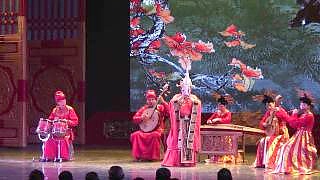
This excerpt features dances based on the Thai and Yi minorities.


[640],shadow=true,start=,stop=

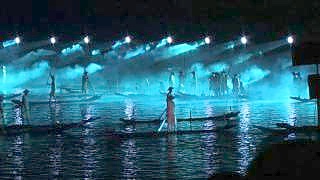
An outdoor traditional culture dance performance :


[320],shadow=true,start=,stop=

Shenzhen is a modern metropolis located in Guangdong Province, bordering Hong Kong to the south. Known as China's first Special Economic Zone, Shenzhen has transformed from a fishing village into a bustling city known for its innovation, technology, and vibrant culture. Here's what you need to know as a tourist visiting Shenzhen:

Modern Landmarks and Skyscrapers:
Shenzhen Bay Park: This expansive waterfront park offers stunning views of Shenzhen's skyline and the Hong Kong skyline across the bay. It's a popular spot for leisurely strolls, cycling, and picnics.

Shenzhen Civic Center: Admire the futuristic architecture of the Shenzhen Civic Center, which includes landmarks such as the Shenzhen Concert Hall, Shenzhen Library, and Shenzhen Museum.

Ping An Finance Centre: Marvel at one of the tallest skyscrapers in China and the fourth-tallest in the world, featuring an observation deck on the 116th floor offering panoramic views of the city.

Theme Parks and Entertainment:
Window of the World: Explore miniature replicas of famous landmarks from around the world, including the Eiffel Tower, the Taj Mahal, and the Great Wall of China, all in one place.

Happy Valley: This amusement park offers thrilling rides, live entertainment, and themed areas catering to visitors of all ages, making it a popular destination for families and thrill-seekers.

Shopping and Dining:
Huaqiangbei Electronics Market: Known as the world's largest electronics market, Huaqiangbei is a paradise for tech enthusiasts, offering everything from gadgets and components to accessories and repairs.

Coco Park: This upscale shopping and dining district features a wide range of boutiques, department stores, restaurants, bars, and cafes, catering to both locals and tourists.

Cultural and Historical Sites:
Dafen Oil Painting Village: Explore this vibrant artist community known for its reproduction oil paintings, where you can watch artists at work and purchase artworks at affordable prices.

Fairy Lake Botanical Garden: Escape the urban hustle and bustle at this expansive botanical garden, featuring lush greenery, scenic walking trails, and a diverse collection of plants and flowers.

Practical Tips:
Transportation: Shenzhen has a well-developed public transportation system, including the metro, buses, and taxis. The metro is the most convenient way to get around the city, with signs and announcements in both Chinese and English.

Language: Mandarin is the official language, but Cantonese and English are also widely spoken, especially in tourist areas, hotels, and restaurants.

Weather: Shenzhen has a subtropical climate with mild, dry winters and hot, humid summers. The best times to visit are spring (March to May) and autumn (September to November) when the weather is pleasant and comfortable.

Visa: Depending on your nationality, you may need a visa to enter China. Check the latest visa requirements and apply in advance if necessary.

Shenzhen offers a dynamic mix of modern attractions, cultural experiences, and shopping opportunities, making it an exciting destination for tourists seeking a taste of urban life in China. Whether you're interested in technology, entertainment, or simply exploring a vibrant city, Shenzhen has something for everyone.

Related Videos


Featured Videos

MingShui ancient town, JiNan, ShanDong province
With China Walking Tour ... Visitor Guide to MingShui Ancient Town, ShanDong Province Overview MingShui Ancient Town, located in the city of JiNan in ShanDong Province, is a well-preserved historical town with a rich cultural heritage. Known for its traditional architecture, charming streets, and historical sites, MingShui offers a fascinating glimpse into the life and culture of ancient China. Getting There By Air: The nearest airport is JiNan Yaoqiang International Airport (TNA), located about 50 kilometers from MingShui. From the airport, you can take a taxi or a shuttle bus to MingShui. By Train: JiNan Railway Station and JiNan East Railway Station offer convenient connections to MingShui. From these stations, you can take a local bus or taxi to reach MingShui. By Bus: Long-distance buses from nearby cities such as JiNan and Tai'an provide direct routes to MingShui. The main bus station in MingShui is MingShui Long-Distance Bus Station. Getting Around Walking: MingShui Ancient Town is best explored on foot, allowing you to fully appreciate the historical architecture and charming streets. Biking: Renting a bicycle is a great way to explore the surrounding areas and nearby attractions at your own pace. Local Transport: Taxis and local buses are available for traveling to and from different parts of MingShui and JiNan. Main Attractions MingShui Old Street MingShui Old Street is the heart of the ancient town, lined with traditional buildings, shops, and tea houses. Strolling along this street, you can experience the charm of old China and discover local handicrafts, snacks, and souvenirs. Yunmen Temple This historic Buddhist temple is a significant cultural site in MingShui. The temple features ancient architecture, beautiful gardens, and intricate statues, making it a peaceful place for reflection and exploration. MingShui Ancient City Wall The ancient city wall of MingShui is a testament to the town's historical importance. Visitors can walk along the wall and enjoy panoramic views of the town and its surroundings. Shuiyue Pavilion Shuiyue Pavilion is a beautiful structure located near a serene pond, offering a picturesque setting for photography and relaxation. The pavilion is a great spot to enjoy the tranquility of the town. Traditional Folk Houses Scattered throughout MingShui are traditional folk houses that showcase the architectural styles and living conditions of ancient Chinese families. These houses provide a fascinating look into the past. Local Cuisine MingShui's cuisine is characterized by its use of fresh ingredients and traditional cooking methods. Here are some must-try dishes: MingShui Tofu: This locally made tofu is known for its delicate texture and rich flavor, often served with a variety of sauces and garnishes. Shandong Pancakes: A popular local snack, these thin pancakes are typically filled with vegetables, meat, or seafood. Local Noodles: Hand-pulled noodles served with a variety of toppings, including vegetables, meat, and savory broths. Traditional Pastries: Try the local pastries, which are often filled with sweet or savory ingredients and baked to perfection. Shopping Local Handicrafts: MingShui is known for its traditional handicrafts, including pottery, paper-cutting, and embroidery. These items make for unique souvenirs. Antique Shops: Explore local antique shops for historical artifacts, vintage items, and collectibles. Local Markets: Purchase fresh produce, local snacks, and traditional items at the town's bustling markets. Accommodation Traditional Inns: For an authentic experience, consider staying in a traditional inn or guesthouse, which often feature historical architecture and local decor. Mid-Range Hotels: Options such as the MingShui Hotel and local boutique hotels provide comfortable accommodations at reasonable prices. Budget Hotels: For budget travelers, hostels and budget hotels in and around MingShui offer affordable and convenient lodging. Tips for Visitors Best Time to Visit: The best times to visit MingShui are spring (April to June) and autumn (September to November) when the weather is mild and pleasant. Clothing: Wear comfortable walking shoes and dress in layers to accommodate changing temperatures. An umbrella or raincoat is useful during the rainy season. Respect Local Customs: Be respectful of local customs and traditions. Dress modestly and be mindful of local etiquette, especially when visiting historical and cultural sites. Language: While Mandarin is widely spoken, learning a few basic phrases or using a translation app can be very helpful. Plan Your Visit: MingShui is best explored at a leisurely pace. Take your time to wander through the streets, visit local shops, and enjoy the tranquil atmosphere. Conclusion MingShui Ancient Town, with its rich history, traditional architecture, and serene environment, offers a unique and memorable travel experience. Whether you're exploring ancient streets, savoring local cuisine, or visiting historical sites, MingShui provides an unforgettable glimpse into the past. Plan your visit carefully to make the most of your trip to this charming town in ShanDong Province.
Movie time – The Secret 不能说的秘密
Directed by, co-written by, and starring Jay Chou. With Gwei Lun-Mei, Anthony Wong and Alice Tzeng. Filmed in Taiwan; released 2007. We cannot tell what happens. But don't miss it ... As in life. Better late than never. The secret is right there, if one has open eyes, and an open heart.
The awesome Lantern Festival in WenYuHe Park, BeiJing
With The China Traveler ... With China Culture ... With CGTN ... With Seiu Travel ...
GuanDi Temple (Temple of Guan Yu), DaTong, ShanXi province
With Andy see the World ... Guandi Temple (关帝庙), commonly referred to as the Grand Temple, is dedicated to the worship of Guan Yu, a revered general from the Three Kingdoms period. Originally built during the Yuan Dynasty, the temple remarkably retains its original Yuan Dynasty hall, making it the only surviving Yuan Dynasty structure within the Datong Ancient City. The architectures in the scenic area include: Shanmen (Mountain Gate): The entrance to Guandi Temple is marked by the Shanmen, a three-bay wide structure with a suspended mountain-style roof. The gate is adorned with a couplet inscribed on it, reading “Loyalty to the Han dynasty in the three kingdoms, ambition in one book of Spring and Autumn,” which reflects the values and aspirations attributed to Guan Yu. Chongsheng Hall (Passing Hall): Inside the Chongsheng Hall, a majestic bronze statue of Guan Yu riding a horse dominates the space. Standing at 3.3 meters tall and weighing two tons, the statue exudes the heroic and commanding presence of Guan Yu as a military leader. Main Hall (Wusheng Hall): The Wusheng Hall is the central structure of the temple complex, notable for its single-eave nine-ridge roof covered with glittering glazed tiles. The interior of the hall features a three-bay shrine at the front, connected by two finely carved golden columns. The shrine includes intricate wooden niches designed in the style of ancient wooden structures, with detailed carvings and a double-eave hip-and-gable roof. The niches are adorned with decorative patterns, and the space is embellished with colored paintings and gold-plated elements, showcasing the exquisite craftsmanship of the Qing Dynasty. Jieyi Garden (Brotherhood Garden): Located in the west courtyard, Jieyi Garden houses the Jieyi Hall and the Wuhou Shrine. In spring, the garden comes alive with blossoming peach flowers, filling the air with a delightful fragrance. Guandi Temple (Temple of Guan Yu), Datong Guandi Temple, also known as the Temple of Guan Yu, is a historic and culturally significant site located in Datong, Shanxi province. Dedicated to Guan Yu, a legendary general from the Three Kingdoms period, the temple is a testament to his enduring legacy as a symbol of loyalty, righteousness, and bravery. Here’s a detailed guide to everything you need to know about this remarkable temple. History and Background The Guandi Temple in Datong dates back to the Yuan Dynasty (1271–1368), with subsequent renovations during the Ming (1368–1644) and Qing (1644–1912) dynasties. Guan Yu, the temple’s namesake, was a revered general during the Three Kingdoms period and later deified as a god of war and loyalty. The temple was built to honor his virtues and has since become a place of worship and cultural significance. Architecture and Layout The temple is a fine example of traditional Chinese temple architecture, featuring: Grand Hall (Main Hall): The central hall houses a large statue of Guan Yu, depicted in his iconic pose with a long beard and a guandao (a type of pole weapon). Stone Tablets: Inscriptions on stone tablets detail the history of the temple and the life of Guan Yu. Courtyards: The temple complex includes several courtyards, each with its own unique features, such as ancient trees and decorative carvings. Roof Decorations: The roofs are adorned with intricate glazed tiles and statues of mythical creatures, symbolizing protection and good fortune. Main Attractions Here’s a detailed look at the must-see spots within the Guandi Temple: 1. Statue of Guan Yu The centerpiece of the temple is the imposing statue of Guan Yu, which stands in the Grand Hall. The statue is crafted with meticulous detail, showcasing Guan Yu’s威严 (majestic presence) and his iconic weapon, the Green Dragon Crescent Blade. 2. Stone Tablets and Inscriptions Scattered throughout the temple, these tablets provide historical insights into Guan Yu’s life and the temple’s construction. Some inscriptions are written in ancient calligraphy, adding to the temple’s cultural value. 3. Ancient Trees The temple grounds are home to several ancient trees, some of which are hundreds of years old. These trees add to the serene and timeless atmosphere of the temple. 4. Decorative Carvings The temple features intricate wood and stone carvings, depicting scenes from Chinese mythology and Guan Yu’s legendary exploits. These carvings are a testament to the skill and artistry of ancient Chinese craftsmen. Cultural Significance Guandi Temple is not just a place of worship but also a cultural landmark that reflects the values of loyalty, righteousness, and bravery embodied by Guan Yu. Key cultural aspects include: Worship of Guan Yu: Guan Yu is worshipped as a god of war, loyalty, and righteousness, and is also considered a protector of businesses. Visitors often pray for success, protection, and good fortune. Festivals and Rituals: During important festivals, such as Guan Yu’s Birthday (24th day of the 6th lunar month), the temple hosts ceremonies and performances. These events attract devotees and tourists alike, creating a vibrant atmosphere. Symbolism: The temple’s architecture and artifacts are rich in symbolism, reflecting traditional Chinese beliefs and values. How to Get There Guandi Temple is located in the heart of Datong, making it easily accessible: By Public Transport: Take a local bus or taxi to the temple. It’s a short ride from Datong’s city center. By Car: If you’re driving, parking is available near the temple. Best Time to Visit Spring (April–June): Pleasant weather and blooming flowers make this an ideal time to visit. Autumn (September–October): Cool temperatures and clear skies provide perfect conditions for exploring. During Festivals: Visiting during Guan Yu’s Birthday or other festivals offers a unique cultural experience. Travel Tips Dress Modestly: As a place of worship, it’s respectful to dress modestly when visiting the temple. Respect Local Customs: Follow temple etiquette, such as not touching artifacts and maintaining a quiet demeanor. Hire a Guide: Consider hiring a local guide to gain deeper insights into the temple’s history and significance. Combine with Other Attractions: Datong is home to other famous sites like the Yungang Grottoes and Hanging Temple, so plan a combined itinerary. Why Visit Guandi Temple? Guandi Temple is a must-visit destination for: History Enthusiasts: Learn about Guan Yu’s legendary life and the temple’s rich history. Cultural Explorers: Experience traditional Chinese architecture, art, and religious practices. Spiritual Seekers: Pay homage to Guan Yu and seek blessings for loyalty, success, and protection. Whether you’re drawn by history, culture, or spirituality, Guandi Temple in Datong offers a fascinating and enriching experience.
ShangHai VanKe Mall
Planning war on China – part 30
With The New Atlas ... Meanwhile ... BBC - after each Olympic video shows a 'Hate will not win" message (relating to endemic racism in the UK). WHY then, are they endlessly promoting hatred of China ? WHY the incessant stories denigrating China right up to the eve of the opening (and doubtless throughout) ? 2008 - BBC says that the the one and a half lines of subway added for the summer Olympics was simply 'white elephant propaganda show-boating'; YET, now BeiJing has added a further some 20 lines of subway (as was always the plan) to become the world's largest subway metro system. And still the lies go on and on and on. A disgrace to humanity. At least, now that the hype is so obvious, more and more can see it for what it really is. Time for this relic of empire to be scrapped. But don't expect "fight for your right, to paaaartyyy" to change anything; or the fake 'opposition'; the elite all know that it is essential in a propaganda war (even if just as a distraction).
China’s awesome metro systems – don’t miss it
This shows what can be done when the government works for the people. Infrastructure enhances both individual freedom and quality of life. Not only super functional but also artistically beautiful. With Flying Dumplings ... Bonus film : HangZhou West railway station - with Gecko Walks ...
A trip to the beautiful Summer Palace 頤和園 in Beijing
In their last days as students at the Beijing University of Language and Culture, trips to the Summer Palace (YíHéYuán) and the ruins of, but still beautiful, 'Old Summer Palace' (YuanMingYuan). These are within walking distance of each other in west Beijing and both have metro (subway) stops. In neither film are all the scenic spots visited; but then these are huge places; both are well worth a visit when you're in Beijing ...
Planning war on China – part 33 – don’t miss it
Geopolitics and economics (plus neo-liberalism, World Bank, IMF, ...) - finance capitalism over industrial capitalism - human rights turned into commodities - why the West seeks to keep all others poor - professor Michael Hudson lays it out ... Meanwhile ...

Tag search ?