Chrysanthemum, tea and delicacy

把豆腐切成菊花,考驗刀功的中國菜餚.

With ErMiChuiYan ...

[640],shadow=true,start=,stop=

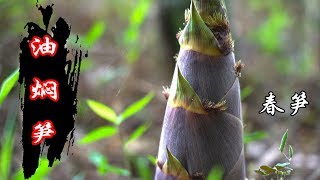
Bonus film - on bamboo shoots ...

[320],shadow=true,start=,stop=

On the Lily flower ...

[320],shadow=true,start=,stop=

Chinese cuisine is an intricate tapestry of flavors, techniques, and regional specialties that has evolved over thousands of years. From the fiery spices of Sichuan to the delicate dim sum of Cantonese cuisine, every region of China offers its own culinary delights. For visitors to China, exploring the diverse and dynamic world of Chinese food is an essential part of experiencing the country's rich cultural heritage. Here's a more extensive exploration of Chinese cuisine for visitors:

Regional Diversity:
Sichuan Cuisine: Hailing from the southwestern province of Sichuan, this cuisine is famed for its bold, spicy, and numbing flavors. Sichuan peppercorns, chili peppers, and aromatic spices are used liberally in dishes like Mapo Tofu, Dan Dan Noodles, and Sichuan Hot Pot, creating a symphony of flavors that tingles the taste buds.

Cantonese Cuisine: With its emphasis on fresh ingredients and delicate flavors, Cantonese cuisine is highly regarded for its seafood dishes, roasted meats, and dim sum. Steamed fish, Char Siu (barbecue pork), and Har Gow (shrimp dumplings) are just a few examples of the exquisite dishes that showcase Cantonese culinary mastery.

Shanghai Cuisine: Reflecting its coastal location and cosmopolitan history, Shanghai cuisine combines influences from Jiangsu, Zhejiang, and Anhui provinces. Sweet and Sour Mandarin Fish, Shanghai Soup Dumplings (Xiaolongbao), and Drunken Chicken are some of the signature dishes that highlight the diverse flavors and textures of this culinary tradition.

Beijing Cuisine: As the capital of China, Beijing boasts a rich culinary heritage deeply rooted in imperial traditions. Peking Duck, a dish with crispy skin and succulent meat served with pancakes and hoisin sauce, is a quintessential Beijing delicacy. Other notable dishes include Zhajiangmian (Beijing Noodles), Mongolian Hot Pot, and Beijing-style meat pies.

Hunan Cuisine: Known for its bold and aromatic flavors, Hunan cuisine features dishes that are spicy, sour, and intensely flavorful. Chairman Mao's Red-Braised Pork, Dong'an Chicken, and Steamed Fish Head with Chopped Chili exemplify the fiery and robust nature of Hunanese cooking, which makes ample use of chili peppers, garlic, and fermented ingredients.

Street Food and Snacks:
Jianbing: This savory Chinese crepe is a popular breakfast option, consisting of a thin pancake filled with eggs, scallions, cilantro, and various fillings such as crispy fried dough, pickled vegetables, or chili sauce.

Baozi: These steamed buns are filled with a variety of savory or sweet fillings, including pork, vegetables, or red bean paste. Baozi are a popular street food snack and can be found in teahouses, markets, and street stalls across China.

Roujiamo: Often referred to as Chinese Hamburgers, roujiamo features savory braised meat stuffed inside a flatbread, offering a hearty and flavorful snack that's perfect for on-the-go eating.

Dining Etiquette and Customs:
Family-Style Dining: Chinese meals are typically served family-style, with multiple dishes shared among diners seated around a table. It's customary to use chopsticks to pick up food from communal dishes and to serve elders before oneself.

Toasting and Ganbei: When dining with Chinese hosts, expect toasts (ganbei) with alcohol, usually baijiu (Chinese liquor). It's polite to reciprocate the toast and drink in moderation, but declining politely is acceptable if you don't drink alcohol.

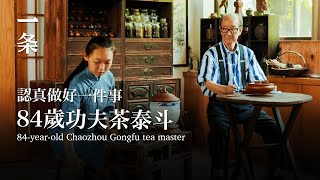
Tea Culture: Tea is an integral part of Chinese dining culture, with a wide variety of teas available to complement different dishes. Green tea, oolong tea, and pu'er tea are among the most popular choices, and serving tea to guests is a sign of hospitality and respect.

Street Markets and Night Markets:
Wangfujing Snack Street, Beijing: Located near the Forbidden City, this bustling street market offers a wide variety of traditional snacks, street food, and local delicacies. Visitors can sample everything from scorpions on a stick to traditional Beijing snacks like Jianbing and Tanghulu (candied fruit skewers).

Shanghai Old Street, Shanghai: Nestled in the heart of the city's historic district, Shanghai Old Street is a bustling marketplace where visitors can explore narrow alleyways lined with traditional shops, street vendors, and food stalls. From steamed dumplings and stinky tofu to hand-pulled noodles and sugar-coated haws, there's something to satisfy every craving.

Dietary Considerations:
Vegetarian and Vegan Options: While Chinese cuisine traditionally features a wide range of meats and animal products, vegetarian and vegan options are becoming increasingly available, especially in larger cities and tourist destinations. Buddhist restaurants (????, ssh c?nt?ng) often offer meat-free versions of classic dishes, and plant-based ingredients like tofu, mushrooms, and seasonal vegetables are widely used in Chinese cooking.

Exploring the diverse and delicious world of Chinese cuisine is an essential part of any visit to China. From regional specialties and street food snacks to dining etiquette and cultural customs, the culinary landscape of China offers a rich tapestry of flavors, traditions, and experiences that are sure to delight and inspire visitors from around the world. Bon apptit!.

Related Videos


Featured Videos

The 798 艺术区 Arts Zone at DaShanZi in Beijing
North east Beijing. An area of disused factories born again as galleries, cafes, bookshops, boutiques ...
More on health and nutrition (2)
With Rangan Chatterjee. With Mark Hyman ... With Tim Spector ...
Awesome ZhangJiaJie 张家界
ZhangJiaJie is one part of WuLingYuan National Forest Park in HuNan province, south China, and is a wonderland of strange peaks, stunning valleys, ancient trees, caves and waterfalls. There are over 500 scenic spots in this area of outstanding natural beauty; it is a UNESCO World Heritage site. In all, it covers around 700 square kilometers (270 square miles).
An introductory guide to TianJin 天津 …
A short 30 minute high speed train ride from BeiJing, TianJin is the largest coastal city in northern China.
ShangHai’s mega malls
With Wei's Travel ...
The beautiful LiKeng ancient town, JiangXi province – don’t miss it
With Travel In China ... Visitor Guide to LiKeng Ancient Town, JiangXi Province Overview LiKeng Ancient Town, located in Wuyuan County of JiangXi Province, is a picturesque village known for its well-preserved architecture, traditional culture, and beautiful natural scenery. Often referred to as the "most beautiful village in China," LiKeng offers a glimpse into the country's rich history and rural life. Getting There By Air: The nearest airport is Jingdezhen Luojia Airport (JDZ), located about 90 kilometers from LiKeng. From the airport, you can take a bus or taxi to Wuyuan County and then a local bus or taxi to LiKeng. By Train: Wuyuan Railway Station is the closest train station, with connections to major cities like ShangHai, HangZhou, and NanChang. From the station, you can take a taxi or a local bus to LiKeng. By Bus: Long-distance buses are available from nearby cities to Wuyuan County. From Wuyuan County, you can take a local bus or taxi to reach LiKeng. Getting Around Walking: The best way to explore LiKeng is on foot. The village is small and pedestrian-friendly, allowing you to leisurely stroll through its charming streets. Biking: Renting a bicycle is a popular option for exploring the surrounding countryside and nearby attractions. Local Transport: Taxis and local buses are available for traveling to and from nearby towns and attractions. Main Attractions Ancient Architecture LiKeng is renowned for its well-preserved Ming and Qing Dynasty architecture. The traditional wooden houses, stone bridges, and narrow lanes reflect the town's rich history and cultural heritage. Li Family Ancestral Hall The Li Family Ancestral Hall is a significant historical site in LiKeng. It showcases intricate wood carvings, beautiful murals, and traditional Chinese architectural design. Stone Arch Bridges LiKeng is dotted with ancient stone arch bridges that add to its scenic charm. These bridges, with their elegant curves and historical significance, are perfect for photography and leisurely walks. Surrounding Countryside The countryside around LiKeng is known for its lush greenery, terraced fields, and beautiful tea plantations. Exploring the rural landscape offers a peaceful and picturesque experience. Local Cuisine LiKeng's cuisine is characterized by its use of fresh, locally-sourced ingredients and traditional cooking methods. Here are some must-try dishes: Wuyuan Steamed Fish: Fresh fish from the local rivers, steamed with a light seasoning to retain its natural flavors. Rice Wine Chicken: Chicken cooked with local rice wine, creating a tender and flavorful dish. Wild Vegetables: Various wild vegetables picked from the surrounding countryside, often stir-fried or used in soups. Wuyuan Green Tea: Enjoy a cup of locally-produced green tea, known for its fresh taste and health benefits. Shopping Local Handicrafts: LiKeng is known for its traditional handicrafts, including bamboo weaving, pottery, and wood carvings. These items make for unique souvenirs. Tea Shops: Purchase high-quality green tea from local tea shops, which offer a variety of teas produced in the surrounding area. Market Streets: Explore the market streets for local snacks, handmade goods, and other unique items reflecting the town's cultural heritage. Accommodation Traditional Guesthouses: Stay in a traditional guesthouse to experience the local lifestyle. Many guesthouses are located in historical buildings with charming courtyards. Mid-Range Hotels: There are several mid-range hotels in Wuyuan County offering comfortable accommodations with modern amenities. Budget Options: Budget travelers can find affordable lodging in hostels and budget hotels in and around LiKeng. Tips for Visitors Best Time to Visit: The best times to visit LiKeng are spring (March to May) and autumn (September to November) when the weather is mild and the scenery is at its most beautiful. Clothing: Wear comfortable walking shoes and dress in layers to accommodate changing temperatures. An umbrella or raincoat is useful during the rainy season. Respect Local Customs: Be respectful of local customs and traditions. Dress modestly and be mindful of local etiquette, especially when visiting historical and cultural sites. Language: While Mandarin is widely spoken, learning a few basic phrases or using a translation app can be very helpful. Plan Your Visit: LiKeng is best explored at a leisurely pace. Take your time to wander through the streets, visit local shops, and enjoy the tranquil atmosphere. Conclusion LiKeng Ancient Town in JiangXi Province offers a captivating blend of history, culture, and natural beauty. Whether you're exploring its ancient architecture, savoring local cuisine, or simply soaking in the serene atmosphere, LiKeng provides an unforgettable experience. Plan your visit carefully to make the most of your trip to this charming and picturesque village.
K11 and SOHO FuXing Plaza 凌空, ShangHai 上海
Futuristic office, retail and leisure spaces, on HuaiHai Road in central ShangHai, by XinTianDi 新天地.
The US prepares for war on China
Because China will not become another US slave state. World domination has long been the intention of the US. Hundreds of coups and wars have shown this. So much of the world has been kept down by the US. And the intention re China is clear from all the MIC backed 'think tanks' (tanks to control your mind). With Danny HaiPhong ... US puppet states (slaves) = the 'free world'. China's rising economy is about to 'collapse' (has been for for decades, they say). With Scott Ritter - on how the transition to multi-polarity is as dangerous as it is welcome (and inevitable) ... With Brian Berletic ... Ben Norton on the NEW Cold War and Europe's economic suicide ... On the CIA, with Jeffrey Sachs ... On how the US government answers to special interests and not the people ("We lie, we cheat, we steal"). At root, it is win-lose trying to crush win-win. The US wants world dominion (and has for decades); while China seeks world development. Hopefully the slave nations are beginning to see the light on why they have been crushed for so long and will choose wisely. The world needs win-win. With Cyrus Janssen and Reportify Media ... YT comments : "When exposing a crime is treated as committing a crime, you are being ruled by criminals." ~ Edward Snowden. "One of the best ways to achieve justice is to expose injustice" ~ Julian Assange. "Truth-tellers are silenced, while the liars have their voices amplified." With Brian Berletic ...
World War 3 – now just a matter of when, as US pushes on with utter madness ?
Kim Iverson talks with retired army colonel Richard Black ... Puppet clowns getting people to boo and cheer, like a kids panto. Not enough adults in the room yet. YT comment (wtf_usa5597) : Calling our current "leaders" shameless liars is an insult to shameless liars.

Tag search ?