China 中国 cities’ metro train systems

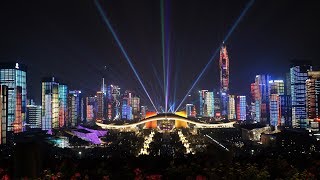
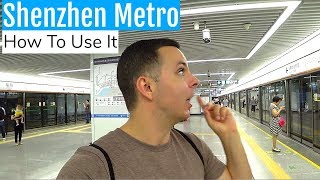
These clips are from ShenZhen in GuangDong province.

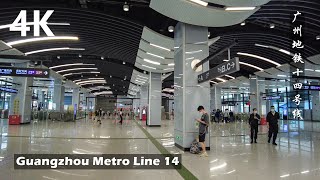
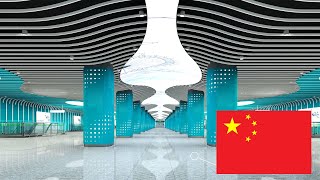
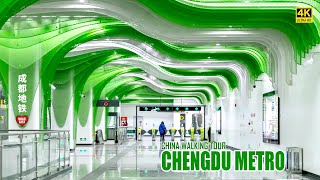
Like the metro in other Chinese cities, the subway systems are ultra modern, clean, efficient, spacious and cheap to use ...

[640],shadow=true,start=,stop=

Shenzhen is a modern metropolis located in Guangdong Province, bordering Hong Kong to the south. Known as China's first Special Economic Zone, Shenzhen has transformed from a fishing village into a bustling city known for its innovation, technology, and vibrant culture. Here's what you need to know as a tourist visiting Shenzhen:

Modern Landmarks and Skyscrapers:
Shenzhen Bay Park: This expansive waterfront park offers stunning views of Shenzhen's skyline and the Hong Kong skyline across the bay. It's a popular spot for leisurely strolls, cycling, and picnics.

Shenzhen Civic Center: Admire the futuristic architecture of the Shenzhen Civic Center, which includes landmarks such as the Shenzhen Concert Hall, Shenzhen Library, and Shenzhen Museum.

Ping An Finance Centre: Marvel at one of the tallest skyscrapers in China and the fourth-tallest in the world, featuring an observation deck on the 116th floor offering panoramic views of the city.

Theme Parks and Entertainment:
Window of the World: Explore miniature replicas of famous landmarks from around the world, including the Eiffel Tower, the Taj Mahal, and the Great Wall of China, all in one place.

Happy Valley: This amusement park offers thrilling rides, live entertainment, and themed areas catering to visitors of all ages, making it a popular destination for families and thrill-seekers.

Shopping and Dining:
Huaqiangbei Electronics Market: Known as the world's largest electronics market, Huaqiangbei is a paradise for tech enthusiasts, offering everything from gadgets and components to accessories and repairs.

Coco Park: This upscale shopping and dining district features a wide range of boutiques, department stores, restaurants, bars, and cafes, catering to both locals and tourists.

Cultural and Historical Sites:
Dafen Oil Painting Village: Explore this vibrant artist community known for its reproduction oil paintings, where you can watch artists at work and purchase artworks at affordable prices.

Fairy Lake Botanical Garden: Escape the urban hustle and bustle at this expansive botanical garden, featuring lush greenery, scenic walking trails, and a diverse collection of plants and flowers.

Practical Tips:
Transportation: Shenzhen has a well-developed public transportation system, including the metro, buses, and taxis. The metro is the most convenient way to get around the city, with signs and announcements in both Chinese and English.

Language: Mandarin is the official language, but Cantonese and English are also widely spoken, especially in tourist areas, hotels, and restaurants.

Weather: Shenzhen has a subtropical climate with mild, dry winters and hot, humid summers. The best times to visit are spring (March to May) and autumn (September to November) when the weather is pleasant and comfortable.

Visa: Depending on your nationality, you may need a visa to enter China. Check the latest visa requirements and apply in advance if necessary.

Shenzhen offers a dynamic mix of modern attractions, cultural experiences, and shopping opportunities, making it an exciting destination for tourists seeking a taste of urban life in China. Whether you're interested in technology, entertainment, or simply exploring a vibrant city, Shenzhen has something for everyone.
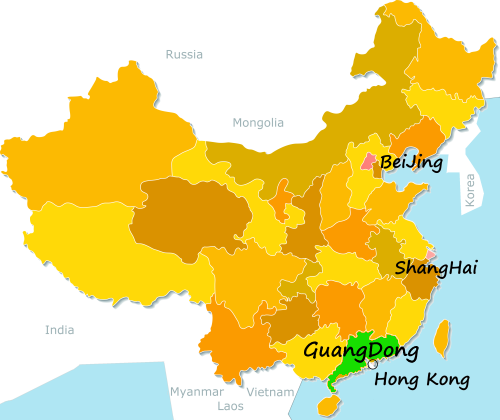

GuangDong map

Related Videos


Featured Videos

SanYa, HaiNan island 三亚海南岛
The most southerly part of China, HaiNan is warm all year with a more or less tropical climate.
LuJiaZui 陆家嘴, ShangHai 上海
ShangHai 上海 night drive …
Bonus film - ShenZhen morning drive ...
Beautiful SiMaTai Great Wall and the nearby GuBei water-town
SiMaTai Great Wall lies about 159 kilometers NNE from BeiJing city and connects with JinShanLing Great Wall.
The king of the beans – the giant ‘sword bean’
A three day hike at the awesome HuangShan 黄山 (Yellow Mountain)
With Fragrant Mandarin ...
Hong Kong 香港 night bus tour
Join us on an open top bus for a circular trip from Central to Kowloon and back ...
The awesome ChaoYang Park (Sun Park) in BeiJing
With MisterVaughn ... ChaoYang Park (Sun Park) visitor guide Overview ChaoYang Park, also known as Sun Park, is one of Beijing's largest and most popular parks. Located in the bustling ChaoYang District, this expansive green space offers a perfect retreat for both locals and tourists. The park features beautiful landscapes, recreational facilities, cultural attractions, and numerous activities for visitors of all ages. History ChaoYang Park was opened to the public in 1984 and has since become a significant recreational area in Beijing. The park's development aimed to provide a green oasis in the city and offer a variety of leisure activities. Over the years, it has hosted numerous cultural and sporting events, further enhancing its popularity and importance. Main Attractions Sunken Garden The Sunken Garden is a beautifully landscaped area featuring a variety of flowers, shrubs, and trees. This tranquil spot is perfect for leisurely walks and offers a peaceful escape from the city's hustle and bustle. The garden is especially stunning during the spring and summer months when the flowers are in full bloom. Lake and Boat Rides The park's central lake is a popular spot for boating and water activities. Visitors can rent paddle boats, rowboats, and even electric boats to explore the serene waters. The lake is surrounded by scenic walking paths and is a great place to relax and enjoy the natural beauty. ChaoYang Theater ChaoYang Theater is famous for its traditional Chinese acrobatic performances. The theater offers daily shows that showcase the incredible skills and talents of Chinese acrobats. These performances are a must-see for visitors interested in Chinese culture and entertainment. Children's Amusement Park The children's amusement park within ChaoYang Park features a variety of rides and attractions designed for younger visitors. From carousels to roller coasters, the amusement park offers plenty of fun and excitement for kids and families. Fitness and Sports Facilities ChaoYang Park offers numerous sports facilities, including tennis courts, basketball courts, and a running track. There are also several outdoor fitness areas with exercise equipment. These facilities are popular among fitness enthusiasts and provide a great way to stay active while enjoying the park's beautiful surroundings. Culture and Traditions ChaoYang Park is a hub of cultural activities and events. Throughout the year, the park hosts various festivals, exhibitions, and performances that celebrate Chinese culture and traditions. Visitors can experience traditional music, dance, and art, as well as modern cultural events. Activities and Experiences Boating Rent a boat and enjoy a relaxing ride on the park's central lake. Boating is a popular activity in ChaoYang Park, offering a peaceful way to take in the scenic views and enjoy the fresh air. Picnicking The park's expansive lawns and shaded areas make it an ideal spot for picnicking. Visitors can bring their own food or purchase snacks from the park's vendors and enjoy a meal surrounded by nature. Walking and Jogging ChaoYang Park features numerous walking and jogging paths that wind through its diverse landscapes. Whether you're looking for a leisurely stroll or a vigorous jog, the park offers a variety of routes to explore. Photography The park's beautiful landscapes, vibrant flowers, and serene lake make it a perfect destination for photography enthusiasts. Capture the natural beauty and the lively atmosphere of ChaoYang Park through your lens. Attending Events Check the park's event calendar for upcoming cultural events, festivals, and performances. Attending these events is a great way to experience local culture and enjoy unique entertainment. Accommodation While there are no accommodations within ChaoYang Park itself, the park is located in a bustling district with numerous hotels and guesthouses nearby. Visitors can choose from a range of options to suit different preferences and budgets, from luxury hotels to budget-friendly hostels. Travel Tips Best Time to Visit: The best time to visit ChaoYang Park is during spring (April to June) and autumn (September to November) when the weather is pleasant, and the park is at its most beautiful. Getting There: ChaoYang Park is easily accessible by public transportation. The nearest subway station is Tuanjiehu Station on Line 10. The park is also well-served by several bus routes. Opening Hours: The park is open daily from 6:00 AM to 10:00 PM. Entrance Fees: There is a nominal entrance fee for the park. Additional fees may apply for specific attractions and activities, such as boat rentals and amusement park rides. Dress Comfortably: Wear comfortable clothing and shoes suitable for walking and outdoor activities. The park is quite large, and you'll likely spend several hours exploring. Stay Hydrated: Carry water, especially during the summer months. There are also several vendors and kiosks throughout the park where you can purchase drinks and snacks. Respect the Environment: Help keep the park clean by disposing of litter properly and respecting the natural surroundings. Avoid disturbing wildlife and follow park regulations.
A guide to the magnificent Forbidden City (Palace Museum) in BeiJing
With Lulu's Daily In China ... Welcome to the Forbidden City Explore the imperial palace and ancient architecture of the Forbidden City in Beijing. Introduction The Forbidden City, also known as the Palace Museum, is a vast imperial palace complex in Beijing, China. It served as the home of emperors and their households, as well as the ceremonial and political center of the Chinese government for almost 500 years. Location The Forbidden City is located in the Dongcheng District in the heart of Beijing, directly north of Tiananmen Square. History The construction of the Forbidden City began in 1406 and was completed in 1420. It was the Chinese imperial palace from the Ming dynasty to the end of the Qing dynasty, housing 24 emperors. The complex covers 72 hectares (178 acres) and consists of 980 surviving buildings with 8,886 rooms. In 1925, the Forbidden City was transformed into the Palace Museum, showcasing extensive collections of artwork and artifacts from the imperial collections of the Ming and Qing dynasties. It was designated a UNESCO World Heritage Site in 1987. Attractions Meridian Gate (Wu Men): The main entrance to the Forbidden City, known for its grand architecture and historical significance. Hall of Supreme Harmony (Taihe Dian): The largest hall in the Forbidden City, used for major ceremonial occasions. Hall of Central Harmony (Zhonghe Dian): A smaller, intimate hall where the emperor prepared and rested before ceremonies. Hall of Preserving Harmony (Baohe Dian): Used for banquets and later for imperial examinations. Palace of Heavenly Purity (Qianqing Gong): The emperor's residence, representing his supreme authority. Hall of Union (Jiaotai Dian): A hall connecting the emperor's and empress's palaces, symbolizing their union. Palace of Earthly Tranquility (Kunning Gong): The residence of the empress and the site for imperial weddings. Imperial Garden: A serene garden area with ancient trees, rockeries, and pavilions, used by the imperial family for leisure. Clock and Watch Gallery: Displays a vast collection of timepieces from the imperial collection. Treasure Gallery: Houses valuable artifacts, including jade, gold, and other treasures from the imperial era. Activities Exploring historical buildings and courtyards Visiting museum exhibitions Photography Participating in guided tours Attending cultural performances and events Facilities Visitor Center Restrooms Gift Shops Cafes and Restaurants Parking Lots Audio Guide Rentals Guided Tour Services Visitor Tips Wear comfortable walking shoes. Bring water and snacks, especially if you plan to stay for several hours. Visit early in the morning or late in the afternoon to avoid crowds. Check the weather forecast and dress appropriately. Respect the cultural and historical significance of the site; behave appropriately and follow all rules and guidelines. Plan your visit to include the main attractions and leave time for exploring lesser-known areas.

Tag search ?