 Central BeiJing 北京
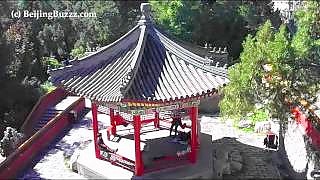
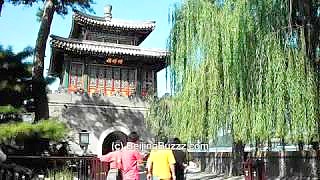
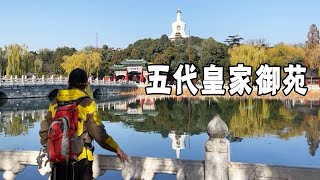
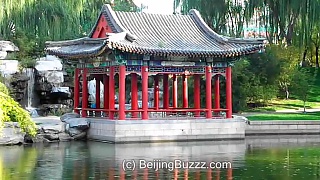
Including TianAnMen Square, BeiHai Park, WangFuJing and the Forbidden City.
[640],shadow=true,start=,stop=
The Forbidden City, located in the heart of Beijing, China, is one of the most iconic and historically significant attractions in the country. Here's a guide for tourists visiting the Forbidden City:
History and Significance:
Imperial Palace: The Forbidden City served as the imperial palace and political center of China for nearly 500 years, from the Ming Dynasty (1368–1644) to the end of the Qing Dynasty (1644–1912). It was home to emperors and their households and served as the ceremonial and political center of Chinese government.
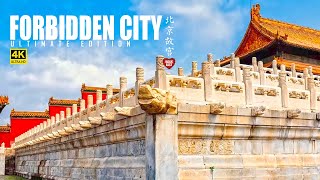
Architecture: The Forbidden City is renowned for its magnificent architectural design, featuring grand halls, pavilions, courtyards, and ceremonial gates. It exemplifies traditional Chinese palace architecture and design principles, with intricate decorations and symbolic elements.
Visiting the Forbidden City:
Layout: The Forbidden City is rectangular in shape and covers an area of about 180 acres. It is surrounded by a large moat and high walls, with four main gates: the Meridian Gate (south), the Gate of Divine Might (north), and the East and West Glorious Gates.
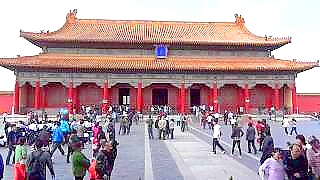
Highlights: Key attractions within the Forbidden City include the Hall of Supreme Harmony, the Hall of Central Harmony, the Hall of Preserving Harmony, the Palace of Heavenly Purity, the Palace of Earthly Tranquility, and the Imperial Garden. Each building has its own unique architectural style and historical significance.
Exhibitions: The Forbidden City houses an extensive collection of artifacts, artwork, and cultural relics from China's imperial past. Visitors can explore exhibitions showcasing imperial treasures, ceremonial objects, calligraphy, paintings, and ancient manuscripts.
Guided Tours: Guided tours are available for visitors who want to learn more about the history, architecture, and cultural significance of the Forbidden City. Audio guides in multiple languages are also available for self-guided tours.
Tips for Tourists:
Tickets and Entry: Tickets to the Forbidden City can be purchased at the entrance gates or online in advance to avoid long queues, especially during peak tourist seasons.
Opening Hours: The Forbidden City is open to visitors every day except Mondays. It is advisable to check the opening hours and plan your visit accordingly.
Comfortable Footwear: The Forbidden City is vast, and exploring its many halls and courtyards involves a fair amount of walking. Wear comfortable footwear and clothing suitable for walking and climbing stairs.
Respect the Rules: Follow the rules and regulations of the Forbidden City, such as no smoking, no littering, and no touching or climbing on the historic structures.
Photography: Photography is permitted in most areas of the Forbidden City, but some sections may have restrictions or require an additional photography permit. Respect any signage and guidelines regarding photography.
Cultural Insights:
Historical Significance: Take the time to learn about the history and significance of the Forbidden City, including its role in Chinese imperial history and its architectural symbolism.
Symbolism and Design: Pay attention to the architectural features, symbolism, and layout of the Forbidden City, which reflect Chinese cosmology, philosophy, and imperial authority.
Imperial Lifestyle: Explore the living quarters, ceremonial halls, and gardens to gain insights into the lifestyle, customs, and rituals of China's imperial rulers and their families.
Visiting the Forbidden City offers a fascinating glimpse into China's imperial past, with its grandeur, history, and cultural heritage preserved for visitors to explore and appreciate.
Beijing, the capital city of China, is a vibrant metropolis steeped in history, culture, and modernity. Here's a brief overview of what you can expect as a tourist in Beijing:
Historical Landmarks:
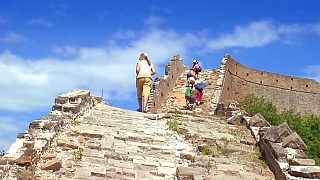
The Great Wall of China: One of the most iconic structures in the world, the Great Wall is easily accessible from Beijing. Mutianyu and Badaling sections are popular among tourists.
Forbidden City (Palace Museum): A UNESCO World Heritage Site, this vast imperial palace complex was home to Chinese emperors for over 500 years. It houses numerous halls, courtyards, and historical artifacts.
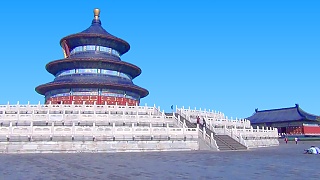
Temple of Heaven: A masterpiece of Chinese architecture, this ancient temple complex served as a place of worship for emperors to pray for good harvests.
Summer Palace: A stunning ensemble of lakes, gardens, and palaces, the Summer Palace served as a retreat for emperors during the Qing dynasty.
Tiananmen Square: One of the largest city squares in the world, Tiananmen Square is flanked by important landmarks such as the Monument to the People's Heroes, the Great Hall of the People, and the Mausoleum of Mao Zedong.
Cultural Sites:
Beijing Hutongs: Explore the narrow alleyways and traditional courtyard residences of Beijing's historic neighborhoods. You can take a rickshaw tour or simply wander around on foot.
Beijing Opera: Experience traditional Chinese opera performances at venues like the Liyuan Theater or the Chang'an Grand Theatre.
798 Art District: A hub of contemporary art and culture, this former industrial area is now home to numerous galleries, studios, and cafes.
Modern Attractions:
Olympic Park: Visit iconic structures such as the Bird's Nest (National Stadium) and the Water Cube (National Aquatics Center) from the 2008 Beijing Olympics.
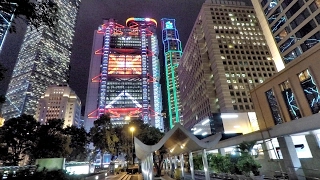
CBD (Central Business District): Marvel at the futuristic skyline of Beijing's modern business district, which includes landmarks like the CCTV Headquarters and the China World Trade Center Tower III.
Culinary Delights:
Peking Duck: Indulge in Beijing's most famous dish, crispy roast duck served with pancakes, scallions, and hoisin sauce.
Street Food: Explore the city's vibrant street food scene and sample local delicacies like jianbing (savory crepes), lamb skewers, and dumplings.
Practical Tips:
Transportation: Beijing has an extensive public transportation system, including the subway, buses, and taxis. However, traffic can be heavy, so plan your travels accordingly.
Language: While English is not widely spoken, especially outside tourist areas, many signs and transportation announcements are in English. It's helpful to carry a translation app or a phrasebook.
Weather: Beijing experiences four distinct seasons, with hot summers and cold winters. The best times to visit are spring (April to June) and autumn (September to October) when the weather is mild and comfortable.
Etiquette: Respect local customs and traditions, such as removing your shoes before entering someone's home and using both hands to pass or receive items.
Beijing offers a rich tapestry of experiences for tourists, blending ancient heritage with modern innovations. Whether you're fascinated by history, culture, or culinary delights, there's something for everyone in this dynamic city.