An introduction to business in GuangDong province

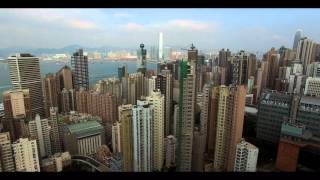
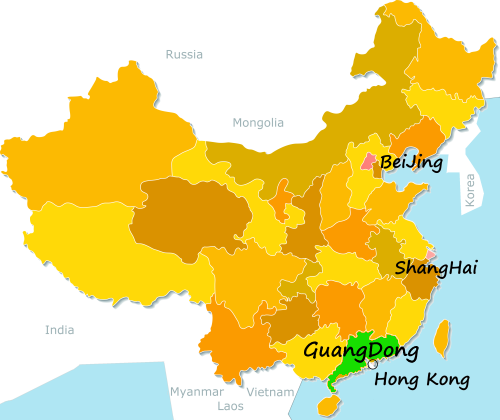
GuangDong lies on the coast in south east China.


The provincial capital is GuangZhou; ShenZhen is another important city in the province. HongKong is next to GuangDong.


[640],shadow=true,start=16,stop=
[320],shadow=true,start=16,stop=

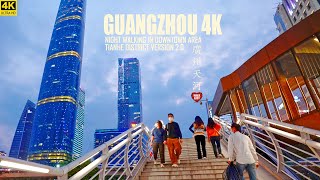
Guangzhou, formerly known as Canton, is a dynamic metropolis located in southern China, serving as the capital of Guangdong Province. As one of China's oldest and largest cities, Guangzhou boasts a rich history, vibrant culture, and modern urban amenities. Here's a guide for tourists visiting Guangzhou:

Historical and Cultural Significance:
Historic Trading Hub: Guangzhou has a long history as a major trading port and commercial center, dating back over 2,000 years. It played a crucial role in the ancient Maritime Silk Road, facilitating trade and cultural exchange between China and other parts of the world.

Cultural Diversity: As a melting pot of cultures, Guangzhou has a diverse population, influenced by various ethnic groups and foreign traders throughout history. This cultural diversity is reflected in the city's cuisine, architecture, and traditions.

Top Attractions:
Canton Tower: As one of the tallest structures in China, the Canton Tower is an iconic landmark and a symbol of Guangzhou's modernity. Visitors can ascend the tower for panoramic views of the cityscape, dine in rotating restaurants, and experience thrilling attractions like the Sky Drop and Bubble Tram.

Yuexiu Park: This expansive park in the heart of Guangzhou is home to several attractions, including the iconic Five-Ram Statue, Zhenhai Tower, and the Guangzhou Museum. Visitors can stroll through lush gardens, admire ancient artifacts, and enjoy recreational activities like boating and tai chi.

Chen Clan Academy: Built during the Qing Dynasty, the Chen Clan Ancestral Hall (also known as the Chen Clan Academy) is a masterpiece of Lingnan architecture. It houses a vast collection of traditional art, wood carvings, and ancestral tablets, offering insights into the region's cultural heritage.

Shamian Island: Located along the Pearl River, Shamian Island is a tranquil oasis with tree-lined streets, colonial-era buildings, and charming cafes. Visitors can wander through the island's historic neighborhoods, admire European-style architecture, and relax by the waterfront.

Guangzhou Opera House: Designed by renowned architect Zaha Hadid, the Guangzhou Opera House is a striking architectural masterpiece that hosts world-class performances and cultural events. Visitors can attend opera, ballet, concerts, and other artistic performances in a stunning modern setting.

Culinary Delights:
Cantonese Cuisine: Guangzhou is famous for its delicious Cantonese cuisine, characterized by fresh seafood, dim sum, roast meats, and flavorful stir-fries. Visitors can sample authentic dishes at local restaurants, street food stalls, and traditional teahouses throughout the city.

Qingping Market: Explore Qingping Market, one of Guangzhou's oldest and largest markets, to experience the vibrant atmosphere and diverse array of local specialties. From exotic fruits and spices to live seafood and herbal remedies, the market offers a sensory feast for visitors.

Practical Tips:
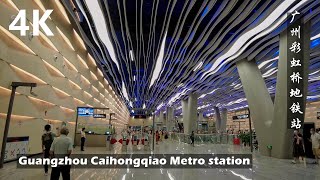
Transportation: Getting around Guangzhou is convenient with its extensive public transportation system, including buses, taxis, and the Guangzhou Metro. The city's efficient transportation network makes it easy to navigate between attractions and neighborhoods.

Language: Mandarin Chinese is the official language spoken in Guangzhou, although Cantonese is also widely spoken by locals. English may not be widely understood, especially in more remote areas, so it's helpful to carry a phrasebook or translation app.

Weather: Guangzhou has a subtropical climate with hot, humid summers and mild winters. The best time to visit is during the cooler months from October to March when the weather is more comfortable for outdoor activities.

Currency: The currency used in China is the Chinese Yuan (CNY). Credit cards are widely accepted at hotels, restaurants, and shops in urban areas, but it's advisable to carry cash for small purchases and transactions.

Guangzhou offers a fascinating blend of ancient history, modernity, and cultural diversity, making it an enchanting destination for tourists seeking to explore the treasures of southern China. Whether marveling at iconic landmarks, savoring Cantonese cuisine, or immersing oneself in the city's vibrant culture, Guangzhou has something to offer for every traveler.

Shenzhen is a modern metropolis located in Guangdong Province, bordering Hong Kong to the south. Known as China's first Special Economic Zone, Shenzhen has transformed from a fishing village into a bustling city known for its innovation, technology, and vibrant culture. Here's what you need to know as a tourist visiting Shenzhen:

Modern Landmarks and Skyscrapers:
Shenzhen Bay Park: This expansive waterfront park offers stunning views of Shenzhen's skyline and the Hong Kong skyline across the bay. It's a popular spot for leisurely strolls, cycling, and picnics.

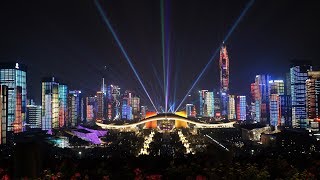
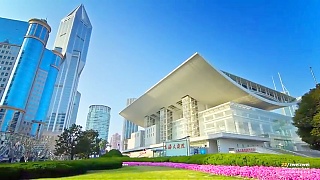
Shenzhen Civic Center: Admire the futuristic architecture of the Shenzhen Civic Center, which includes landmarks such as the Shenzhen Concert Hall, Shenzhen Library, and Shenzhen Museum.

Ping An Finance Centre: Marvel at one of the tallest skyscrapers in China and the fourth-tallest in the world, featuring an observation deck on the 116th floor offering panoramic views of the city.

Theme Parks and Entertainment:
Window of the World: Explore miniature replicas of famous landmarks from around the world, including the Eiffel Tower, the Taj Mahal, and the Great Wall of China, all in one place.

Happy Valley: This amusement park offers thrilling rides, live entertainment, and themed areas catering to visitors of all ages, making it a popular destination for families and thrill-seekers.

Shopping and Dining:
Huaqiangbei Electronics Market: Known as the world's largest electronics market, Huaqiangbei is a paradise for tech enthusiasts, offering everything from gadgets and components to accessories and repairs.

Coco Park: This upscale shopping and dining district features a wide range of boutiques, department stores, restaurants, bars, and cafes, catering to both locals and tourists.

Cultural and Historical Sites:
Dafen Oil Painting Village: Explore this vibrant artist community known for its reproduction oil paintings, where you can watch artists at work and purchase artworks at affordable prices.

Fairy Lake Botanical Garden: Escape the urban hustle and bustle at this expansive botanical garden, featuring lush greenery, scenic walking trails, and a diverse collection of plants and flowers.

Practical Tips:
Transportation: Shenzhen has a well-developed public transportation system, including the metro, buses, and taxis. The metro is the most convenient way to get around the city, with signs and announcements in both Chinese and English.

Language: Mandarin is the official language, but Cantonese and English are also widely spoken, especially in tourist areas, hotels, and restaurants.

Weather: Shenzhen has a subtropical climate with mild, dry winters and hot, humid summers. The best times to visit are spring (March to May) and autumn (September to November) when the weather is pleasant and comfortable.

Visa: Depending on your nationality, you may need a visa to enter China. Check the latest visa requirements and apply in advance if necessary.

Shenzhen offers a dynamic mix of modern attractions, cultural experiences, and shopping opportunities, making it an exciting destination for tourists seeking a taste of urban life in China. Whether you're interested in technology, entertainment, or simply exploring a vibrant city, Shenzhen has something for everyone.
GuangDong map

Related Videos


Featured Videos

An introduction to GuiZhou province
With MeetWorld ... GuiZhou Province visitor guide Overview GuiZhou Province, located in the southwestern part of China, is known for its stunning karst landscapes, rich ethnic diversity, and vibrant cultural heritage. The province is a treasure trove of natural beauty and cultural experiences, offering visitors a chance to explore everything from ancient villages to breathtaking mountains and rivers. Natural Attractions HuangGuoShu Waterfall Location: Anshun City. Highlights: One of the largest waterfalls in China, HuangGuoShu Waterfall is a spectacular sight with its powerful cascades and scenic surroundings. Visitors can explore the waterfall from various viewpoints and even walk behind it for a unique perspective. Fanjing Mountain Location: Tongren City. Highlights: A UNESCO World Heritage Site, Fanjing Mountain is renowned for its unique rock formations, diverse flora and fauna, and spiritual significance. The Red Cloud Golden Summit and the Mushroom Stone are must-see landmarks. Libo Karst Forest Location: Libo County. Highlights: Part of the South China Karst UNESCO World Heritage Site, the Libo Karst Forest features stunning karst landscapes, lush forests, and crystal-clear rivers. The area is ideal for hiking and exploring unique geological formations. Ethnic Villages and Cultural Experiences Xijiang Qianhu Miao Village Location: Leishan County. Highlights: The largest Miao village in China, Xijiang Qianhu Miao Village offers a deep dive into Miao culture with traditional stilt houses, vibrant festivals, and daily folk performances. It's a perfect place to experience Miao customs and hospitality. Langde Miao Village Location: Leishan County. Highlights: Known for its well-preserved wooden houses and rich cultural heritage, Langde Miao Village offers visitors a chance to witness traditional Miao crafts, such as embroidery and silverwork, and participate in cultural activities. Zhaoxing Dong Village Location: Liping County. Highlights: One of the largest Dong villages in China, Zhaoxing Dong Village is famous for its Drum Towers, Wind and Rain Bridges, and traditional wooden architecture. The village is known for its Dong singing and dance performances. Outdoor Activities Hiking and Trekking GuiZhou offers numerous trails for hiking and trekking enthusiasts. From the karst landscapes of Libo to the sacred peaks of Fanjing Mountain, there are trails suitable for all levels of hikers. Rafting and Boating The rivers and lakes of GuiZhou provide excellent opportunities for rafting and boating. The Wujiang River and the Dragon King Cave area are popular spots for water-based activities. Local Cuisine GuiZhou cuisine is known for its bold and spicy flavors, often incorporating sour and fermented ingredients. Some must-try dishes include: **Sour Fish Soup**: A tangy and spicy fish soup that is a local favorite. **Guizhou-style Hot Pot**: Featuring a variety of meats and vegetables cooked in a spicy broth. **Miao Sour Soup Fish**: A traditional Miao dish with a unique sour flavor. **Sticky Rice Cakes**: A popular snack made from glutinous rice and various fillings. Accommodation GuiZhou offers a wide range of accommodation options, from luxury hotels in major cities like Guiyang to traditional guesthouses in ethnic villages. Staying in a local guesthouse provides a more authentic experience and a chance to interact with the local people. Travel Tips Best Time to Visit: The best time to visit GuiZhou is during the spring (March to May) and autumn (September to November) when the weather is mild and pleasant. Getting There: GuiZhou is accessible by air, with Guiyang Longdongbao International Airport serving as the main gateway. The province is also well-connected by train and bus. Respect Local Customs: When visiting ethnic villages, be respectful of local customs and traditions. Always ask for permission before taking photos of people. Pack Accordingly: Bring comfortable walking shoes, a light jacket for cooler evenings, and rain gear if visiting during the rainy season.
Scenes from YuanMingYuan 圆明园, BeiJing
YuánMíngYuán was the original Summer Palace in BeiJing and sometimes referred to as the 'Old Summer Palace'. YuanMingYuan lies 8 kilometers (5 miles) northwest of central Beijing, close to the (new) Summer Palace (YíHéYuán 颐和园). It was constructed during the 18th and early 19th centuries and was a wonderland of lakes and waterways, bridges, hills and pavilions. There were originally towers, terraces, pavilions, halls, corridors, pagodas and bridges with a total construction area of 150,000 square meters. Artisans were recruited from all over China to enact the exquisite settings. Many of the 160 scenic spots were reproductions of famous mountains, rivers and famous gardens in China. The various styles of architecture, standing encircled by hills and streams, presented a most picturesque view. In addition, hundreds of invaluable Chinese art masterpieces and antiquities were stored in the halls, including some unique copies of literary works and collections. YuanMingYuan was, indeed, a veritable museum of garden construction and horticulture. Known to be one of the largest museums in the world, a popular name in China was the 'Garden of Gardens'. In 1860 during the 'Second Opium War', YuanMingYuan was looted then burned down by imperialist British and French troops. So great was the devastation that a new Summer Palace was later built nearby.
The awesome People’s Park, Kashgar, XinJiang
With Walk For You ...
The ancient HuaYan, FaHua, HunYuan & ShanHua temples, DaTong, ShanXi province
With Andy see the World ... *** HuaYan Temple, located in DaTong, ShanXi province, is a magnificent example of Buddhist temple architecture and one of the best-preserved temples from the Liao and Jin dynasties. Its name, "Huayan," is derived from the Huayan Sutra, an important scripture in Chinese Buddhism, reflecting the temple's strong connection to the Huayan school of Buddhist thought. Key Features: Divided Structure: The temple is unique as it is divided into two parts: the Upper Temple and the Lower Temple. The Upper Temple, built on a hill, was primarily used for religious ceremonies, while the Lower Temple served as a residential and study area for monks. Grand Hall: The Great Buddha Hall in the Upper Temple is one of the largest remaining halls of its kind from the Liao dynasty. It features massive wooden beams, intricate carvings, and large Buddha statues that exude a sense of serenity. Murals and Sculptures: The temple is renowned for its well-preserved murals and Buddhist sculptures. These artworks depict scenes from Buddhist scriptures and stories, reflecting the artistic style and religious devotion of the era. Library of Sutras: The Lower Temple houses a library of Buddhist sutras, emphasizing the temple’s role as a center for learning and spiritual practice. Architectural Significance: The wooden structures of Huayan Temple showcase the advanced engineering and architectural techniques of ancient China. The use of dougong brackets (interlocking wooden brackets) is particularly impressive. Cultural Heritage: Huayan Temple is a testament to the flourishing of Buddhism in northern China during the Liao and Jin dynasties. It represents a blend of religious, artistic, and architectural achievements. Atmosphere: Visitors often find the temple serene and spiritually uplifting, with its quiet courtyards, ancient trees, and the scent of incense enhancing the experience. It is not just a historical site but also an active place of worship. Huayan Temple remains a significant cultural and spiritual landmark, drawing visitors and scholars from around the world to explore its beauty and historical importance. *** Shanhua Temple, located in Datong, Shanxi Province, is a stunning example of Chinese Buddhist architecture and history. Originally constructed during the Tang Dynasty, the temple has been preserved and renovated over the centuries, with its current structures mainly dating back to the Liao and Jin Dynasties. The temple complex is composed of three main halls arranged along a north-south axis: the Main Gate Hall, the Mahavira Hall, and the Sansheng Hall. These halls are surrounded by peaceful courtyards, ancient trees, and stone pathways, creating a serene environment for visitors. The Mahavira Hall is the centerpiece of the temple, housing large statues of the Buddha and bodhisattvas. The craftsmanship of these statues reflects the artistic style of the Liao Dynasty, with intricate details and vibrant colors. The Sansheng Hall, dedicated to the Three Saints of Hua-yen Buddhism, also contains exquisite statues and murals that are valuable cultural relics. One of the temple's unique features is its collection of wooden structures, which have survived numerous dynasties and demonstrate the sophisticated construction techniques of ancient Chinese architecture. The intricate carvings, painted beams, and symbolic motifs throughout the temple showcase the skill of artisans from different eras. Visitors to Shanhua Temple can also enjoy the surrounding scenery, as the temple is situated near other historical sites in Datong, such as the Nine-Dragon Wall and the Yungang Grottoes. Its peaceful ambiance and historical significance make it a must-visit destination for those exploring China's rich cultural heritage. *** The HunYuan Confucian Temple, located in Hunyuan County near Datong, Shanxi Province, is an important historical and cultural site dedicated to the teachings of Confucius. Known for its elegant architecture and serene atmosphere, the temple reflects the Confucian emphasis on education, morality, and respect for tradition. Originally built during the Yuan Dynasty, the temple has undergone several renovations and expansions over the centuries, with many of its current structures dating back to the Ming and Qing Dynasties. The layout of the temple follows traditional Confucian principles, with symmetrical courtyards and a central axis leading to the main halls. The temple complex includes several key structures, such as the Dacheng Hall, the Gate of Rites, and the Hall of Confucius’ Tablets. The Dacheng Hall, the centerpiece of the temple, houses a statue of Confucius and tablets honoring his disciples and other influential scholars. Its wooden beams and intricate carvings are a testament to the craftsmanship of ancient Chinese builders. The temple grounds are adorned with ancient cypress trees, stone tablets, and inscriptions that highlight the enduring legacy of Confucianism in Chinese culture. These elements create a tranquil environment for visitors, providing a space for reflection and appreciation of traditional values. Hunyuan Confucian Temple is not only a place of historical significance but also a symbol of the enduring influence of Confucian thought in shaping Chinese society. Its proximity to other attractions in the area, such as the Hanging Temple, makes it an excellent addition to any itinerary for visitors exploring the region. *** The Fahua Temple, located in Datong, Shanxi Province, is a historic Buddhist temple with a serene atmosphere and a rich cultural heritage. Known for its traditional Chinese architecture and intricate details, the temple provides a glimpse into the spiritual and artistic traditions of ancient China. Originally built during the Ming Dynasty, Fahua Temple has undergone renovations over the centuries, preserving its historic charm while maintaining its religious significance. The temple is dedicated to Buddhist teachings and serves as a place of worship, meditation, and cultural reflection. The layout of the temple includes several key structures, such as the main hall, bell tower, and various smaller pavilions. The main hall is adorned with statues of the Buddha and Bodhisattvas, as well as colorful murals that depict scenes from Buddhist scriptures. The bell tower houses an ancient bronze bell that is said to bring blessings and peace to those who hear its chime. The temple grounds are quiet and peaceful, with pathways lined by trees and flowers that enhance the meditative experience. Stone carvings and inscriptions throughout the temple complex reflect the devotion and artistic skills of past generations. Visitors often find the setting conducive to quiet reflection and spiritual exploration. Fahua Temple is an important cultural and religious site in Datong, offering visitors a chance to connect with Buddhist traditions and admire the craftsmanship of Chinese temple architecture. Its tranquil environment makes it a worthwhile stop for those seeking a deeper understanding of the region’s history and spiritual legacy.
Road trip idea from BeiJingBuzzz – DaLi, YunNan to Lhasa, Tibet / XiZang (2-4 weeks; two alternate routes)
Scenic Road Trip Routes from Dali to Lhasa Route Overview Traveling from Dali to Lhasa is an epic journey through some of China's most stunning landscapes. Here are two detailed scenic routes with notable stops along the way:   Route 1: Northern Route Day 1-2: Dali to Lijiang (Approx. 180 km) Route: Take the G214 National Road north from Dali to Lijiang. Highlights: Enjoy the scenic views along the way, including Erhai Lake and the ancient town of Lijiang. Day 3-4: Lijiang to Shangri-La (Zhongdian) (Approx. 180 km) Route: Continue on G214 National Road north to Shangri-La. Highlights: Visit Tiger Leaping Gorge and enjoy the views of the Jade Dragon Snow Mountain. Day 5: Shangri-La to Deqin (Approx. 180 km) Route: Stay on G214 National Road heading north to Deqin. Highlights: Explore Songzanlin Monastery in Shangri-La and enjoy the panoramic views of Meili Snow Mountain in Deqin. Day 6: Deqin to Markam (Approx. 220 km) Route: Take the G214 National Road, crossing into Tibet and continue to Markam. Highlights: Pass through the spectacular mountainous regions and along the Mekong River. Day 7: Markam to Zogang (Approx. 150 km) Route: From Markam, take the G318 National Road west towards Zogang. Highlights: Experience the dramatic high-altitude landscapes and valleys. Day 8: Zogang to Baxoi (Approx. 120 km) Route: Continue on the G318 National Road from Zogang to Baxoi. Highlights: Enjoy the rugged and scenic terrain along the way. Day 9: Baxoi to Ranwu (Approx. 160 km) Route: Stay on the G318 National Road heading west to Ranwu. Highlights: Pass by the beautiful Ranwu Lake, known for its clear waters and stunning reflections. Day 10: Ranwu to Bomi (Approx. 130 km) Route: Continue on G318 National Road from Ranwu to Bomi. Highlights: Drive through lush forests and alongside beautiful rivers. Day 11: Bomi to Nyingchi (Approx. 230 km) Route: Continue on G318 National Road from Bomi to Nyingchi. Highlights: Enjoy the lush scenery of Nyingchi, known for its forests and the Niyang River. Day 12-13: Nyingchi to Lhasa (Approx. 400 km) Route: Take the G318 National Road west from Nyingchi to Lhasa. Highlights: Pass through Mila Mountain and follow the Yarlung Tsangpo River Gorge. In Lhasa, explore the Potala Palace, Jokhang Temple, and Barkhor Street.   Route 2: Southern Route Day 1-2: Dali to Kunming (Approx. 340 km) Route: Take the G56 Hangrui Expressway east from Dali to Kunming. Highlights: Kunming, known as the "Spring City," offers attractions like the Stone Forest (Shilin), Dianchi Lake, and Green Lake Park. Day 3: Kunming to Panzhihua (Approx. 310 km) Route: Continue on the G56 Hangrui Expressway north to Panzhihua. Highlights: Panzhihua, a city built around the steel industry, provides access to scenic spots like the Jinsha River and nearby hot springs. Day 4: Panzhihua to Xichang (Approx. 260 km) Route: Take the G5 Beijing-Kunming Expressway north to Xichang. Highlights: Xichang is known for Qionghai Lake and the Luoji Mountain scenic area. It's also a gateway to the Liangshan Yi Autonomous Prefecture. Day 5: Xichang to Kangding (Approx. 380 km) Route: Continue on the G5 Beijing-Kunming Expressway, then take the G318 National Road west to Kangding. Highlights: Kangding is famous for its stunning mountain scenery, including Gongga Mountain (Minya Konka), and the beautiful Mugecuo Scenic Area. Day 6: Kangding to Litang (Approx. 280 km) Route: Take the G318 National Road west from Kangding to Litang. Highlights: Litang, one of the highest towns in the world at 4,014 meters, is known for its Tibetan culture and the Litang Monastery. Day 7: Litang to Batang (Approx. 160 km) Route: Continue on the G318 National Road west to Batang. Highlights: Batang is a charming Tibetan town with picturesque landscapes and rich cultural heritage. Day 8: Batang to Markam (Approx. 160 km) Route: Cross into Tibet and stay on the G318 National Road to Markam. Highlights: Scenic mountain vistas and the Mekong River valley. Day 9: Markam to Zogang (Approx. 150 km) Route: Continue on the G318 National Road from Markam to Zogang. Highlights: Stunning high-altitude terrain and valleys. Day 10: Zogang to Baxoi (Approx. 120 km) Route: Stay on the G318 National Road heading west to Baxoi. Highlights: Enjoy the rugged and scenic terrain along the way. Day 11: Baxoi to Ranwu (Approx. 160 km) Route: Continue on the G318 National Road from Baxoi to Ranwu. Highlights: Pass by the beautiful Ranwu Lake, known for its clear waters and stunning reflections. Day 12: Ranwu to Bomi (Approx. 130 km) Route: Continue on G318 National Road from Ranwu to Bomi. Highlights: Drive through lush forests and alongside beautiful rivers. Day 13: Bomi to Nyingchi (Approx. 230 km) Route: Continue on G318 National Road from Bomi to Nyingchi. Highlights: Enjoy the lush scenery of Nyingchi, known for its forests and the Niyang River. Day 14: Nyingchi to Lhasa (Approx. 400 km) Route: Take the G318 National Road west from Nyingchi to Lhasa. Highlights: Pass through Mila Mountain and follow the Yarlung Tsangpo River Gorge. In Lhasa, explore the Potala Palace, Jokhang Temple, and Barkhor Street.   Tips for the Journey Permits: Ensure you have the necessary permits to travel in Tibet. Foreign tourists need a Tibet Travel Permit. Vehicle: A sturdy 4x4 vehicle is recommended due to the rough terrain and high altitudes. Altitude Sickness: Be prepared for high altitudes. Acclimate gradually and consider medication for altitude sickness. Weather: Check the weather conditions, especially in winter, as some roads may be impassable. Supplies: Carry sufficient food, water, and emergency supplies, as some areas are remote with few facilities. These road trips offers a blend of cultural experiences, breathtaking landscapes, and a sense of adventure, making it one of the most scenic routes in China.  
American exceptionalism and China
With Garland Nixon ...
LiJiang 丽江 old town, YunNan province
With Where's Poppy and Travelight ...
Pre-wedding photo shoots …
Special memories ...
A summer vegies masterclass with LiZiQi

Tag search ?