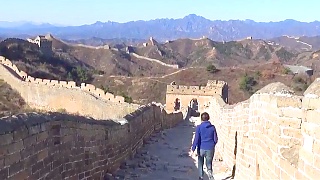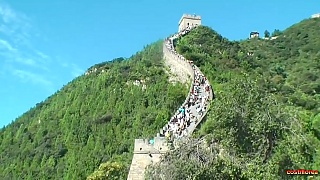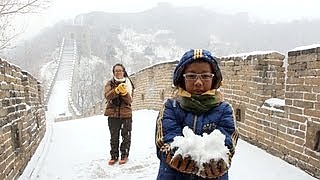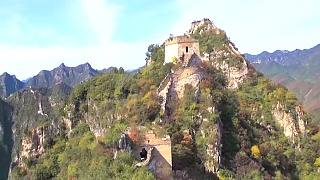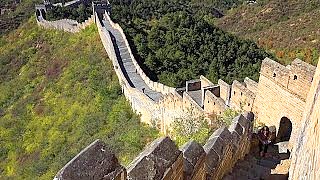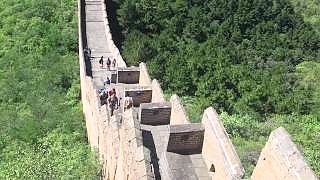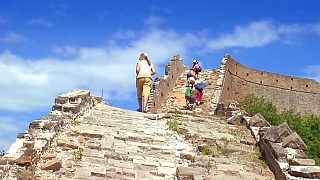
An afternoon at JinShanLing Great Wall

A beautiful four hour hike about two and a half hours north of Beijing ...


[640],shadow=true,start=,stop=The Great Wall of China is one of the most iconic and awe-inspiring attractions in the world, drawing millions of tourists each year. Here's a guide for tourists visiting the Great Wall:

History and Significance:
Historical Significance: The Great Wall of China is a series of fortifications built over centuries to protect China from invasions by nomadic tribes from the north. Its construction began as early as the 7th century BC and continued through different dynasties, with the most famous sections built during the Ming Dynasty (13681644 AD).

Length and Structure: Stretching over 13,000 miles (21,196 kilometers), the Great Wall is not a continuous wall but a series of walls, trenches, and natural barriers, including mountains and rivers. Its main purpose was to provide defense and control trade routes along the northern border of China.

Visiting the Great Wall:
Sections to Visit: While the entire Great Wall is massive, certain sections are more accessible and popular among tourists. The most visited sections include Badaling, Mutianyu, Jinshanling, and Simatai. Each section offers unique features and experiences.

Badaling: This section is the closest to Beijing and is one of the most well-preserved and accessible sections of the Great Wall. It can be crowded, especially during peak tourist seasons.

Mutianyu: Located about 1.5 to 2 hours' drive from Beijing, Mutianyu offers a less crowded but equally impressive experience. It features restored sections as well as more rugged and original parts.

Jinshanling and Simatai: These sections are farther from Beijing but are known for their scenic beauty and relatively fewer crowds. They offer a more authentic and adventurous hiking experience.

Tips for Tourists:
Best Time to Visit: The Great Wall can be visited year-round, but the best times are spring (April to June) and autumn (September to November) when the weather is pleasant, and the scenery is beautiful.

Avoiding Crowds: To avoid crowds, consider visiting the Great Wall early in the morning or during weekdays. Badaling tends to be busiest, so opting for less-visited sections like Jinshanling or Simatai can provide a more peaceful experience.

Wear Comfortable Clothing: The Great Wall involves a fair amount of walking and climbing stairs, so wear comfortable shoes and clothing suitable for hiking.

Stay Hydrated and Sun-Protected: Bring plenty of water, sunscreen, and a hat, especially during hot summer months, as there may be limited shade on the Wall.

Respect the Environment: Help preserve the Great Wall for future generations by refraining from littering, defacing, or damaging the structure.

Cultural Insights:
Learn about the History: Take the time to learn about the history and significance of the Great Wall through signage, guidebooks, or guided tours.

Capture Memories: Don't forget to bring a camera or smartphone to capture the breathtaking views and memories of your visit.

Interact with Locals: Engage with local vendors, tour guides, or fellow travelers to gain insights into Chinese culture and customs related to the Great Wall.

Visiting the Great Wall of China is a once-in-a-lifetime experience that offers not only breathtaking views and photo opportunities but also a deeper appreciation for one of the world's most remarkable architectural achievements.

Beijing, the capital city of China, is a vibrant metropolis steeped in history, culture, and modernity. Here's a brief overview of what you can expect as a tourist in Beijing:

Historical Landmarks:
The Great Wall of China: One of the most iconic structures in the world, the Great Wall is easily accessible from Beijing. Mutianyu and Badaling sections are popular among tourists.

Forbidden City (Palace Museum): A UNESCO World Heritage Site, this vast imperial palace complex was home to Chinese emperors for over 500 years. It houses numerous halls, courtyards, and historical artifacts.

Temple of Heaven: A masterpiece of Chinese architecture, this ancient temple complex served as a place of worship for emperors to pray for good harvests.

Summer Palace: A stunning ensemble of lakes, gardens, and palaces, the Summer Palace served as a retreat for emperors during the Qing dynasty.

Tiananmen Square: One of the largest city squares in the world, Tiananmen Square is flanked by important landmarks such as the Monument to the People's Heroes, the Great Hall of the People, and the Mausoleum of Mao Zedong.

Cultural Sites:
Beijing Hutongs: Explore the narrow alleyways and traditional courtyard residences of Beijing's historic neighborhoods. You can take a rickshaw tour or simply wander around on foot.

Beijing Opera: Experience traditional Chinese opera performances at venues like the Liyuan Theater or the Chang'an Grand Theatre.

798 Art District: A hub of contemporary art and culture, this former industrial area is now home to numerous galleries, studios, and cafes.

Modern Attractions:
Olympic Park: Visit iconic structures such as the Bird's Nest (National Stadium) and the Water Cube (National Aquatics Center) from the 2008 Beijing Olympics.

CBD (Central Business District): Marvel at the futuristic skyline of Beijing's modern business district, which includes landmarks like the CCTV Headquarters and the China World Trade Center Tower III.

Culinary Delights:
Peking Duck: Indulge in Beijing's most famous dish, crispy roast duck served with pancakes, scallions, and hoisin sauce.

Street Food: Explore the city's vibrant street food scene and sample local delicacies like jianbing (savory crepes), lamb skewers, and dumplings.

Practical Tips:
Transportation: Beijing has an extensive public transportation system, including the subway, buses, and taxis. However, traffic can be heavy, so plan your travels accordingly.

Language: While English is not widely spoken, especially outside tourist areas, many signs and transportation announcements are in English. It's helpful to carry a translation app or a phrasebook.

Weather: Beijing experiences four distinct seasons, with hot summers and cold winters. The best times to visit are spring (April to June) and autumn (September to October) when the weather is mild and comfortable.

Etiquette: Respect local customs and traditions, such as removing your shoes before entering someone's home and using both hands to pass or receive items.

Beijing offers a rich tapestry of experiences for tourists, blending ancient heritage with modern innovations. Whether you're fascinated by history, culture, or culinary delights, there's something for everyone in this dynamic city.

Related Videos


Featured Videos

ShangHai’s Mega Malls
A walk with Wei's Travel ...
The beautiful Humble Administrator’s Garden 拙政园
An exemplary example of classical Chinese garden arts that aspires to the harmony of people and nature. ZhuoZheng Yuan, SuZhou, JiangSu province. At 52,000 square meters, it is the largest garden in SuZhou. A beautiful short film ...
Awesome bridges in HuNan province
Breathtaking infrastructure. With Little Chinese Everywhere ...
Explore the Temple of Heaven (TianTan) in BeiJing
With Seiu Travel ... "The Temple of Heaven in Beijing has stood for over 600 years—a sacred site where emperors once worshipped the heavens. This solemn sanctuary not only witnessed the grandeur of the Ming and Qing dynasties but also preserved countless ancient rituals and stories. In this video, we begin our journey at the South Gate of the Temple of Heaven, retracing the footsteps of emperors past. From the Circular Mound to the Echo Wall, and finally to the magnificent Hall of Prayer for Good Harvests, every step brings us deeper into history. Beyond the altars, the Temple of Heaven Park also offers tranquil corners: the serene Zhai Palace in the west, the poetic Double Ring Longevity Pavilion, and the relaxed vibes of the Hundred Flowers Garden shaded by ancient pines. Just beyond the temple walls, old Beijing comes alive—with smoky alleyways, time-honored snacks, and the rhythm of daily life. Here, history and life are only a street apart. Whether you're drawn to imperial rituals or local flavor, the Temple of Heaven is an unmissable chapter of Beijing."
Pandas !
A month in China : Modern City Life : tour suggestion from BeiJingBuzzz
Modern City Life Tour of China Week 1-2: Shanghai and Surroundings Explore the modern skyline of Shanghai, including the Bund, Oriental Pearl Tower, and Shanghai Tower. Visit modern art galleries like the Power Station of Art and M50 Creative Park. Experience Shanghai's vibrant nightlife and dining scene. Day trip to Suzhou to explore its classical gardens and water towns. Visit Hangzhou to see the West Lake and experience tea culture. Week 3: Beijing Explore Beijing's modern architecture, such as the CCTV Headquarters and National Stadium (Bird's Nest). Visit contemporary art districts like 798 Art Zone. Explore modern shopping streets like Wangfujing and Sanlitun. Experience Beijing's nightlife and entertainment scene. Week 4: Hong Kong and Macau Experience the bustling streets of Hong Kong and enjoy its modern attractions like Victoria Harbour and Hong Kong Disneyland. Explore the modern skyscrapers and entertainment complexes of Macau, including casinos and luxury resorts. Relax on the beaches of Lantau Island or explore the hiking trails of the New Territories.
A guide to visiting HuaShan, ShaanXi province
Mount Hua, or HuaShan, is one of China's Five Great Mountains, renowned for its steep trails, breathtaking views, and significant Taoist history. Located in Shaanxi Province, near the city of Huayin, Huashan attracts adventurers and pilgrims alike. This guide provides an in-depth look at the best attractions, activities, and tips for visiting Huashan. Top Attractions The Five Peaks of Huashan Mount Hua consists of five main peaks, each offering unique scenery and experiences: East Peak (Zhaoyang Peak): Known as the "Sunrise Peak," it is the best spot to watch the sunrise. West Peak (Lianhua Peak): Also called the "Lotus Peak," it is famous for its striking rock formations that resemble a lotus flower. South Peak (Luoyan Peak): The highest of the five peaks at 2,154 meters, offering panoramic views. North Peak (Yuntai Peak): Known as the "Cloud Terrace Peak," it serves as the starting point for many hikes. Central Peak (Yunv Peak): Also known as the "Jade Maiden Peak," it is named after a Taoist legend. Huashan Plank Walk The Huashan Plank Walk is one of the most thrilling attractions on the mountain. The narrow wooden walkway is attached to the sheer cliff face of the South Peak, offering an adrenaline-pumping experience and stunning views. Chess Pavilion Perched on a precarious rock, the Chess Pavilion is a small structure with legendary associations. According to legend, it is where a deity played chess with a mortal. Taoist Temples Mount Hua is home to several ancient Taoist temples, including the Jade Spring Temple at the base of the mountain and the Yuquan Temple. These temples are important pilgrimage sites and offer a glimpse into the mountain's spiritual significance. Geology of Huashan Mount Hua is part of the Qinling Mountain range and is primarily composed of granite. The mountain's distinctive steep slopes and sharp peaks are the result of tectonic uplift and erosion over millions of years. The granite rock faces provide both a dramatic landscape and a challenging environment for climbers. Touring Huashan Planning Your Visit Visiting Huashan requires careful planning due to its challenging terrain and the variety of routes available. A typical visit can take one to two days, depending on the routes and peaks you choose to explore. Here is a suggested itinerary: Day 1: North Peak and the Plank Walk Morning: Take the cable car from the East Gate to the North Peak. Spend the morning exploring the North Peak and its surrounding trails. Afternoon: Head towards the South Peak for the Huashan Plank Walk. Ensure you have the proper safety gear and follow all safety instructions. Evening: Consider spending the night on the mountain at one of the guesthouses or temples to experience the sunrise from one of the peaks. Day 2: The Five Peaks Early Morning: Watch the sunrise from the East Peak. Mid-Morning: Hike to the Central Peak, then continue to the West Peak to see the Lotus Flower Rock. Afternoon: Ascend to the South Peak, the highest peak, for panoramic views. Descend back to the North Peak and take the cable car down. Activities and Experiences Hiking Huashan offers challenging hikes with rewarding views. Trails are steep and can be narrow, requiring a good level of fitness and caution. Popular routes include the ascent from the East Gate to the North Peak and the circular route covering the five peaks. Photography The dramatic landscapes of Huashan provide excellent opportunities for photography. Key spots include the sunrise from the East Peak, the Plank Walk on the South Peak, and the panoramic views from the highest point. Local Cuisine After a day of hiking, try local Shaanxi cuisine, known for its hearty and flavorful dishes. Specialties include biangbiang noodles, roujiamo (Chinese hamburger), and various dumplings. There are several restaurants and food stalls at the base of the mountain and near the East Gate. Travel Tips Best Time to Visit The best times to visit Huashan are spring (April to June) and autumn (September to November) when the weather is mild and the views are clear. Summer can be hot and crowded, while winter can be cold and snowy, making some trails hazardous. Getting There Huashan is accessible by train, bus, and car. The nearest major city is Xi'an, from where you can take a high-speed train to Huashan North Railway Station. From there, shuttle buses or taxis can take you to the mountain's entrances. Accommodation Accommodation options range from budget hostels to mid-range hotels in Huayin City. For a unique experience, consider staying overnight on the mountain in a guesthouse or temple. This allows you to catch the sunrise from one of the peaks. Tickets and Passes Purchase entrance tickets at the mountain's gates. There are separate tickets for the cable cars and the Plank Walk. Consider buying a multi-day pass if you plan to explore all five peaks. Guides and Tours Hiring a local guide can enhance your experience by providing insights into the mountain's history, culture, and geology. Many tour operators offer packages that include transportation, tickets, and guided tours.
Discover amazing, beautiful China 中国
Ancient roots, modern outlook; a wide variety of natural landscapes; diverse cultures; so much to see and do; welcome to China ...
BeiJing 北京 in time-lapse
With Anyu Xu ...

Tag search ?