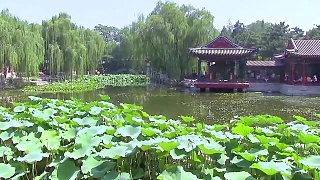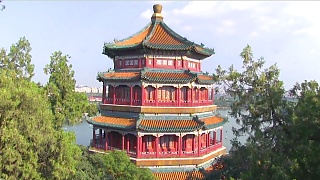
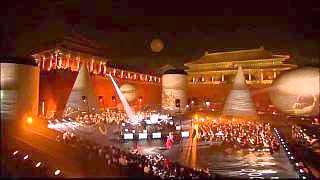
A trip to the Forbidden City and Summer Palace in Beijing

Filmed in summer 2009.


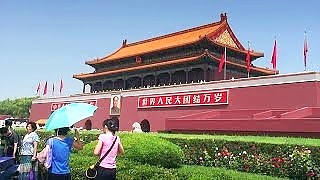
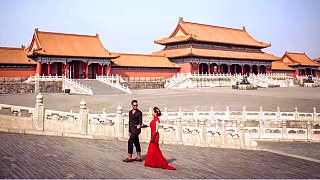
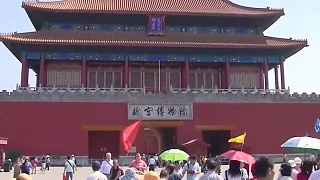
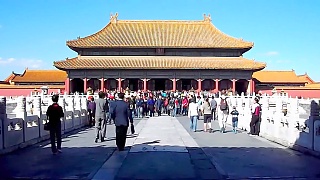
[640],shadow=true,start=207,stop=The Forbidden City, located in the heart of Beijing, China, is one of the most iconic and historically significant attractions in the country. Here's a guide for tourists visiting the Forbidden City:

History and Significance:
Imperial Palace: The Forbidden City served as the imperial palace and political center of China for nearly 500 years, from the Ming Dynasty (1368–1644) to the end of the Qing Dynasty (1644–1912). It was home to emperors and their households and served as the ceremonial and political center of Chinese government.

Architecture: The Forbidden City is renowned for its magnificent architectural design, featuring grand halls, pavilions, courtyards, and ceremonial gates. It exemplifies traditional Chinese palace architecture and design principles, with intricate decorations and symbolic elements.

Visiting the Forbidden City:
Layout: The Forbidden City is rectangular in shape and covers an area of about 180 acres. It is surrounded by a large moat and high walls, with four main gates: the Meridian Gate (south), the Gate of Divine Might (north), and the East and West Glorious Gates.

Highlights: Key attractions within the Forbidden City include the Hall of Supreme Harmony, the Hall of Central Harmony, the Hall of Preserving Harmony, the Palace of Heavenly Purity, the Palace of Earthly Tranquility, and the Imperial Garden. Each building has its own unique architectural style and historical significance.

Exhibitions: The Forbidden City houses an extensive collection of artifacts, artwork, and cultural relics from China's imperial past. Visitors can explore exhibitions showcasing imperial treasures, ceremonial objects, calligraphy, paintings, and ancient manuscripts.

Guided Tours: Guided tours are available for visitors who want to learn more about the history, architecture, and cultural significance of the Forbidden City. Audio guides in multiple languages are also available for self-guided tours.

Tips for Tourists:
Tickets and Entry: Tickets to the Forbidden City can be purchased at the entrance gates or online in advance to avoid long queues, especially during peak tourist seasons.

Opening Hours: The Forbidden City is open to visitors every day except Mondays. It is advisable to check the opening hours and plan your visit accordingly.

Comfortable Footwear: The Forbidden City is vast, and exploring its many halls and courtyards involves a fair amount of walking. Wear comfortable footwear and clothing suitable for walking and climbing stairs.

Respect the Rules: Follow the rules and regulations of the Forbidden City, such as no smoking, no littering, and no touching or climbing on the historic structures.

Photography: Photography is permitted in most areas of the Forbidden City, but some sections may have restrictions or require an additional photography permit. Respect any signage and guidelines regarding photography.

Cultural Insights:
Historical Significance: Take the time to learn about the history and significance of the Forbidden City, including its role in Chinese imperial history and its architectural symbolism.

Symbolism and Design: Pay attention to the architectural features, symbolism, and layout of the Forbidden City, which reflect Chinese cosmology, philosophy, and imperial authority.

Imperial Lifestyle: Explore the living quarters, ceremonial halls, and gardens to gain insights into the lifestyle, customs, and rituals of China's imperial rulers and their families.

Visiting the Forbidden City offers a fascinating glimpse into China's imperial past, with its grandeur, history, and cultural heritage preserved for visitors to explore and appreciate.

Beijing, the capital city of China, is a vibrant metropolis steeped in history, culture, and modernity. Here's a brief overview of what you can expect as a tourist in Beijing:

Historical Landmarks:
The Great Wall of China: One of the most iconic structures in the world, the Great Wall is easily accessible from Beijing. Mutianyu and Badaling sections are popular among tourists.

Forbidden City (Palace Museum): A UNESCO World Heritage Site, this vast imperial palace complex was home to Chinese emperors for over 500 years. It houses numerous halls, courtyards, and historical artifacts.

Temple of Heaven: A masterpiece of Chinese architecture, this ancient temple complex served as a place of worship for emperors to pray for good harvests.

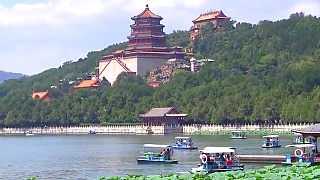
Summer Palace: A stunning ensemble of lakes, gardens, and palaces, the Summer Palace served as a retreat for emperors during the Qing dynasty.

Tiananmen Square: One of the largest city squares in the world, Tiananmen Square is flanked by important landmarks such as the Monument to the People's Heroes, the Great Hall of the People, and the Mausoleum of Mao Zedong.

Cultural Sites:
Beijing Hutongs: Explore the narrow alleyways and traditional courtyard residences of Beijing's historic neighborhoods. You can take a rickshaw tour or simply wander around on foot.

Beijing Opera: Experience traditional Chinese opera performances at venues like the Liyuan Theater or the Chang'an Grand Theatre.

798 Art District: A hub of contemporary art and culture, this former industrial area is now home to numerous galleries, studios, and cafes.

Modern Attractions:
Olympic Park: Visit iconic structures such as the Bird's Nest (National Stadium) and the Water Cube (National Aquatics Center) from the 2008 Beijing Olympics.

CBD (Central Business District): Marvel at the futuristic skyline of Beijing's modern business district, which includes landmarks like the CCTV Headquarters and the China World Trade Center Tower III.

Culinary Delights:
Peking Duck: Indulge in Beijing's most famous dish, crispy roast duck served with pancakes, scallions, and hoisin sauce.

Street Food: Explore the city's vibrant street food scene and sample local delicacies like jianbing (savory crepes), lamb skewers, and dumplings.

Practical Tips:
Transportation: Beijing has an extensive public transportation system, including the subway, buses, and taxis. However, traffic can be heavy, so plan your travels accordingly.

Language: While English is not widely spoken, especially outside tourist areas, many signs and transportation announcements are in English. It's helpful to carry a translation app or a phrasebook.

Weather: Beijing experiences four distinct seasons, with hot summers and cold winters. The best times to visit are spring (April to June) and autumn (September to October) when the weather is mild and comfortable.

Etiquette: Respect local customs and traditions, such as removing your shoes before entering someone's home and using both hands to pass or receive items.

Beijing offers a rich tapestry of experiences for tourists, blending ancient heritage with modern innovations. Whether you're fascinated by history, culture, or culinary delights, there's something for everyone in this dynamic city.

Related Videos


Featured Videos

50 places to visit in BeiJing
Beijing: 20 Kid-Friendly Places to Visit The Forbidden City (ç´«ç¦åŸŽ ZÇjìnchéng): Explore the ancient imperial palace complex and its vast courtyards. The Great Wall of China (长城 Chángchéng): Take a family hike along this iconic UNESCO World Heritage Site. Beijing Zoo (北京动物园 BÄ›ijÄ«ng Dòngwùyuán): Visit pandas and other animals at one of China's oldest and largest zoos. Beihai Park (北海公园 BÄ›ihÇŽi GÅngyuán): Enjoy boating on the lake and exploring the gardens and pavilions. 798 Art District (798艺术区 QÄ«jiÇ”bÄ YìshùqÅ«): Discover contemporary art in this former factory complex turned art district. Beijing Aquarium (北京海洋馆 BÄ›ijÄ«ng HÇŽiyánguÇŽn): Explore the underwater world with a variety of marine life exhibits. Beijing Children's Museum (北京儿童åšç‰©é¦† BÄ›ijÄ«ng Értóng BówùguÇŽn): Interactive museum featuring exhibits designed for children. Summer Palace (é¢å’Œå›­ Yíhé Yuán): Stroll through beautiful gardens and enjoy boat rides on Kunming Lake. Happy Valley Beijing (欢ä¹è°· HuÄnlègÇ” BÄ›ijÄ«ng): Amusement park with rides and entertainment for the whole family. Beijing Botanical Garden (北京æ¤ç‰©å›­ BÄ›ijÄ«ng Zhíwùyuán): Explore diverse plant collections and enjoy outdoor activities. Temple of Heaven Park (天å›å…¬å›­ TiÄntán GÅngyuán): Watch locals practice tai chi and fly kites in this historic park. Beijing National Stadium (Bird's Nest) (北京国家体育场 BÄ›ijÄ«ng GuójiÄ TÇyùchÇŽng): Visit the iconic Olympic venue and explore its architecture. Beijing Planetarium (北京天文馆 BÄ›ijÄ«ng TiÄnwénguÇŽn): Discover the wonders of the universe through interactive exhibits. Beijing Ancient Observatory (北京å¤è§‚è±¡å° BÄ›ijÄ«ng GÇ” GuÄnxiàngtái): Learn about ancient Chinese astronomy and observe celestial objects. Capital Museum (首都åšç‰©é¦† ShÇ’udÅ« BówùguÇŽn): Explore Chinese art and history with family-friendly exhibits. Beijing World Park (北京世界公园 BÄ›ijÄ«ng Shìjiè GÅngyuán): Travel around the world in a day with replicas of famous landmarks. Chinese Ethnic Culture Park (ä¸­å›½æ°‘æ—æ–‡åŒ–公园 ZhÅngguó Mínzú Wénhuà GÅngyuán): Learn about China's diverse ethnic groups through cultural displays. Beijing Toy Museum (北京玩具åšç‰©é¦† BÄ›ijÄ«ng Wánjù BówùguÇŽn): Explore a vast collection of toys from different eras and cultures. Beijing Olympic Park (北京奥林匹克公园 BÄ›ijÄ«ng ÀolínpÇkè GÅngyuán): Enjoy green spaces, walking paths, and iconic Olympic venues. Beijing Botanical Garden (北京æ¤ç‰©å›­ BÄ›ijÄ«ng Zhíwùyuán): Explore diverse plant collections and enjoy outdoor activities. Beijing: 30 More Places to Visit Tiananmen Square (天安门广场 TiÄn'Änmén GuÇŽngchÇŽng): Iconic city square with historical significance and monumental architecture. Hutongs (èƒ¡åŒ Hútòng): Explore Beijing's traditional narrow alleys and courtyard residences by rickshaw or walking tour. Prince Gong's Mansion (æ­çŽ‹åºœ GÅng Wáng FÇ”): Visit this well-preserved imperial residence with beautiful gardens and architecture. Yonghe Lama Temple (é›å’Œå®« YÅng hé GÅng): Discover Tibetan Buddhist culture in this stunning temple complex. National Museum of China (中国国家åšç‰©é¦† ZhÅngguó GuójiÄ BówùguÇŽn): Explore China's history and culture through extensive exhibits and artifacts. Beijing National Aquatics Center (Water Cube) (北京国家游泳中心 BÄ›ijÄ«ng GuójiÄ YóuyÇ’ng ZhÅngxÄ«n): Visit the iconic venue from the 2008 Olympics, now transformed into a water park. Beijing Ancient Architecture Museum (北京å¤å»ºç­‘åšç‰©é¦† BÄ›ijÄ«ng GÇ” Jiànzhù BówùguÇŽn): Learn about traditional Chinese architecture in this unique museum. Beijing Railway Museum (北京é“è·¯åšç‰©é¦† BÄ›ijÄ«ng TiÄ›lù BówùguÇŽn): Explore the history of Chinese railways with exhibits of locomotives and artifacts. National Centre for the Performing Arts (国家大剧院 GuójiÄ Dàjùyuàn): Marvel at the futuristic architecture and enjoy performances in this iconic venue. Beijing Capital Museum (北京首都åšç‰©é¦† BÄ›ijÄ«ng ShÇ’udÅ« BówùguÇŽn): Discover Chinese art and history through extensive collections and exhibitions. Beijing Ming Tombs (明å三陵 Míng ShísÄn Líng): Explore the burial site of Ming Dynasty emperors with grand architecture and scenic surroundings. Beijing Museum of Natural History (中国科学技术馆 ZhÅngguó KÄ“xué JìshùguÇŽn): Learn about the natural world with exhibits on dinosaurs, fossils, and ecosystems. Beijing Bell and Drum Towers (北京钟鼓楼 BÄ›ijÄ«ng ZhÅnggÇ” Lóu): Visit these historic structures and enjoy panoramic views of the city. Capital Library of China (中国国家图书馆 ZhÅngguó GuójiÄ TúshÅ«guÇŽn): Explore a vast collection of books and cultural resources in this modern library. Yuanmingyuan (Old Summer Palace) (圆明园 Yuánmíngyuán): Explore the ruins of this historic imperial palace complex with beautiful gardens. Beijing National Art Museum (北京国家艺术åšç‰©é¦† BÄ›ijÄ«ng GuójiÄ Yìshù BówùguÇŽn): Discover Chinese art through extensive collections of painting, sculpture, and calligraphy. Beijing Modern Art Gallery (北京现代美术馆 BÄ›ijÄ«ng Xiàndài MÄ›ishùguÇŽn): Explore contemporary Chinese art in this vibrant gallery space. Beijing Aviation Museum (北京航空馆 BÄ›ijÄ«ng HángkÅngguÇŽn): Learn about the history of aviation in China with exhibits of aircraft and technology. Beijing Confucius Temple and Imperial College (北京孔庙和国å­ç›‘ BÄ›ijÄ«ng KÇ’ngmiào hé GuózÇjiàn): Discover Confucian culture in this historic temple and educational institution. Beijing South Railway Station (北京å—ç«™ BÄ›ijÄ«ng Nánzhàn): Experience modern transportation and marvel at the architecture of this major railway hub. Beijing Dongyue Temple (北京东岳庙 BÄ›ijÄ«ng DÅngyuèmiào): Explore Chinese folk religion and mythology in this unique temple complex. Beijing Shijingshan Amusement Park (北京石景山游ä¹å›­ BÄ›ijÄ«ng ShíjÇngshÄn Yóulèyuán): Enjoy rides and attractions in this popular amusement park. Beijing Garden Expo Park (北京园åšå›­ BÄ›ijÄ«ng Yuánbóyuán): Explore beautiful gardens and landscapes in this scenic park. Beijing National Stadium (Bird's Nest) (北京国家体育场 BÄ›ijÄ«ng GuójiÄ TÇyùchÇŽng): Visit the iconic Olympic venue and explore its architecture. Beijing Capital Museum (北京首都åšç‰©é¦† BÄ›ijÄ«ng ShÇ’udÅ« BówùguÇŽn): Discover Chinese art and history through extensive collections and exhibitions. Beijing Ming Tombs (明å三陵 Míng ShísÄn Líng): Explore the burial site of Ming Dynasty emperors with grand architecture and scenic surroundings. Beijing Museum of Natural History (中国科学技术馆 ZhÅngguó KÄ“xué JìshùguÇŽn): Learn about the natural world with exhibits on dinosaurs, fossils, and ecosystems. Beijing Bell and Drum Towers (北京钟鼓楼 BÄ›ijÄ«ng ZhÅnggÇ” Lóu): Visit these historic structures and enjoy panoramic views of the city. Capital Library of China (中国国家图书馆 ZhÅngguó GuójiÄ TúshÅ«guÇŽn): Explore a vast collection of books and cultural resources in this modern library. Yuanmingyuan (Old Summer Palace) (圆明园 Yuánmíngyuán): Explore the ruins of this historic imperial palace complex with beautiful gardens.
Movie time – For Love or Money 露水红颜
Directed by Gao XiXi and starring Liu YiFei and Rain. A beautiful romantic film (15+) ...
YangTze 长江 River cruise
The Yangtze or YangZi (Cháng jiÄng) is the longest river in Asia, the third-longest in the world, and the longest in the world to flow entirely within one country. Its source is in the northern part of the Tibetan Plateau and flows 6,300 km (3,900 miles) in a generally eastern direction to the East China Sea near ShangHai.
Night walk around FuTian CBD in ShenZhen
With Walk For You ... ShenZhen Sea World ...
NanNing, provincial capitol of GuangXi province
With Walk East ...
Around YangShuo 阳朔 and GuiLin 桂林
GuangXi province.
First time in China – ShangHai to SuZhou by high speed rail – plus a guide for visitors
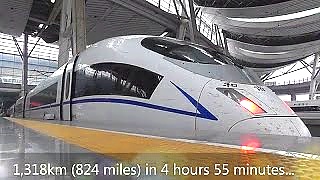
With Dany Dev ... A Guide to China's High-Speed Rail Network China's high-speed rail (HSR) network is the largest and most advanced in the world, offering an efficient, modern, and fast way to travel across the country. Since its inception, the network has revolutionized travel within China, making it easier and quicker to connect cities and regions that were once separated by long distances. Overview of the High-Speed Rail Network Size and Scope: As of 2024, China’s HSR network spans over 40,000 kilometers (25,000 miles), connecting nearly all major cities across the country. The network is continuously expanding, with new lines being constructed each year. Speed: Trains on the high-speed network typically travel at speeds ranging from 250 to 350 kilometers per hour (155 to 217 miles per hour). Some of the fastest trains, such as those on the Beijing–Shanghai line, can reach speeds up to 350 km/h. Key Routes: Beijing-Shanghai: This flagship route is one of the busiest and most popular, covering a distance of 1,318 kilometers (819 miles) in about 4.5 hours. Beijing-Guangzhou: One of the longest HSR routes in the world, spanning 2,298 kilometers (1,428 miles) and taking around 8 hours. Shanghai-Hong Kong: Connects the financial hub of Shanghai with the vibrant city of Hong Kong, covering 1,200 kilometers (746 miles) in approximately 8 hours. Xi’an-Chengdu: A scenic route that links the historic city of Xi’an with Chengdu, famous for its pandas, covering 658 kilometers (409 miles) in about 3 hours. Guangzhou-Shenzhen-Hong Kong: This line offers a rapid connection between the three major economic hubs, with a travel time of about 14 minutes from Shenzhen to Hong Kong. Features of China’s High-Speed Trains Train Classes: China’s high-speed trains are classified primarily into three categories based on speed and service: G-Class (Gaotie): The fastest trains, operating at speeds up to 350 km/h. These are typically used on major routes like Beijing-Shanghai. D-Class (Dongche): Slightly slower, operating at speeds up to 250-300 km/h. These trains are often used on shorter or less busy routes. C-Class: Suburban trains designed for short-distance travel, operating at speeds up to 200-250 km/h. Comfort and Amenities: Seating: HSR trains offer different classes of seating, including Second Class, First Class, and Business Class. Business Class offers the most luxurious experience, with wide reclining seats and more space. Facilities: Trains are equipped with modern amenities such as power outlets, Wi-Fi (on some trains), clean restrooms, and food and beverage services. Quiet carriages are also available for passengers who prefer a more serene environment. Punctuality: The HSR network is known for its punctuality, with trains typically departing and arriving on time. Key Stations and Infrastructure Major Hubs: Beijing South Railway Station: One of the largest and busiest HSR stations, serving as a key hub for northern and central China. Shanghai Hongqiao Railway Station: A massive transportation hub that integrates rail, air, and metro services, making it one of the most important stations in eastern China. Guangzhou South Railway Station: A key gateway to southern China, connecting the region with major cities like Shenzhen and Hong Kong. Wuhan Railway Station: A central hub in the heart of China, crucial for connections between the east and west. Modern Design: The stations are often architectural marvels, designed to handle large volumes of passengers efficiently. Many stations are integrated with other forms of transport, including metro lines and airports, making transfers seamless. Benefits of Using the High-Speed Rail Network Speed and Efficiency: High-speed trains are often faster than flying when considering the time spent on security checks and travel to and from airports. For distances up to 1,200 kilometers (746 miles), trains are often the quickest option. Convenience: With frequent departures, extensive coverage, and easy booking options (including online and mobile apps), the HSR network is extremely convenient for both domestic and international travelers. Environmental Impact: HSR is a greener option compared to air travel, contributing less to carbon emissions per passenger kilometer. Challenges and Future Prospects Expansion to Rural Areas: While the HSR network covers most major cities, there are ongoing efforts to expand services to more rural and remote areas, ensuring broader access. International Links: China is also exploring international HSR connections, such as a proposed high-speed rail link to Moscow, Russia, which could enhance connectivity beyond China's borders. Technological Advances: China is investing in maglev (magnetic levitation) technology, which could further increase speeds to around 600 km/h (373 mph), positioning China at the forefront of global rail innovation. Tips for Travelers Booking Tickets: Tickets can be booked online, at stations, or through travel agencies. During peak travel times, such as Chinese New Year, it is advisable to book tickets well in advance. Travel Documents: Foreign travelers will need to present their passports when booking tickets and boarding trains. Luggage: There are generous luggage allowances on HSR trains, with space available for larger items in overhead compartments or at the ends of carriages. Language: While English signage is available in major stations, it is useful to have your destination written in Chinese to show to station staff if needed. Conclusion China’s high-speed rail network is a remarkable achievement in modern transportation, offering an efficient, comfortable, and eco-friendly way to explore the vast and diverse landscapes of the country. Whether you are traveling for business or leisure, the HSR network provides an unparalleled travel experience that continues to set global standards.
Beautiful BeiJing 北京, the blue sky city
Plus, BeiJing in timelapse ...
XiaoCang å°ä»“ Village, FuJian – beautiful music video
Featuring the She 畲 people, one of the 56 ethnic groups in China and the largest minority in FuJian province.

Tag search ?